Sanremo Music Festival Explained for Foreigners
最終更新日: 2026年5月22日
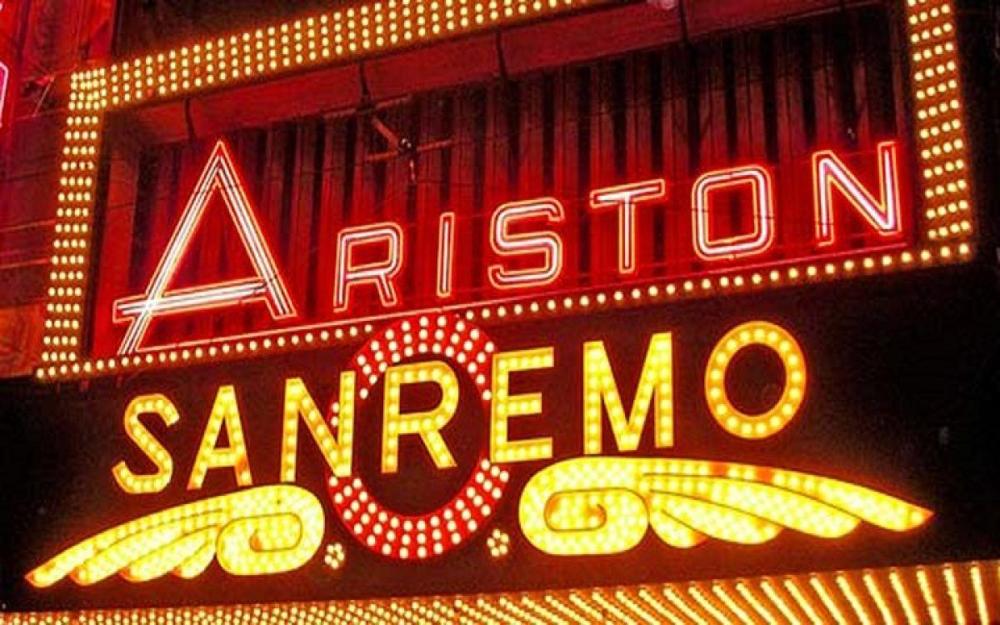
If you live in Italy or visit in late winter, you will notice an entire country glued to the same television channel for five consecutive nights. The Sanremo Music Festival is Italy's annual song contest, held since 1951 at the Teatro Ariston in the Ligurian town of Sanremo, and it functions as a cultural ritual far more than a music show.
Last updated: May 22, 2026
What Sanremo Actually Is
The Festival della Canzone Italiana, known abroad simply as Sanremo, is a five-night televised music competition organized by RAI, Italy's public broadcaster. New, unreleased Italian-language songs compete in front of a live audience at the Teatro Ariston, with the winner traditionally earning the right of first refusal to represent Italy at the Eurovision Song Contest.
The 76th edition ran from 24 to 28 February 2026, hosted and artistically directed by Carlo Conti. It was shifted from its traditional early-February slot specifically to avoid clashing with the Milan-Cortina Winter Olympics (6 to 22 February 2026) and the Paralympics that followed. Sal Da Vinci won with "Per sempre sì," earning the slot for Eurovision 2026 in Vienna.
The scale is hard to overstate for newcomers. The 2026 final drew an average of 11.022 million viewers on Rai 1 with a 68.8% audience share. Legitimate streams totalled 27.8 million sessions and 189.6 million minutes of viewing time. RAI Pubblicità reported festival-week advertising sales of 72 million euros, up 10% year over year. For one week, Sanremo is the dominant topic in Italian newspapers, office chat, and social media.
Why Italians Take It So Seriously
Foreigners often expect a glorified talent show. What they find is closer to a televised national assembly with music attached. Sanremo has been running almost continuously since 1951, which means three generations of Italians have grown up with the same ritual, the same theatre, and many of the same songwriters cycling through. Discussing the festival is a shared shorthand the way Eurovision is in some other European countries, or the Super Bowl halftime is in the United States.
Several factors converge:
- It is the launchpad for Italy's mainstream music industry. Annual radio rotations are largely set by Sanremo entries.
- It is also the qualifying round for Eurovision, giving it international stakes.
- It mixes generations: veteran songwriters share the stage with TikTok-era newcomers.
- It is broadcast on the public channel Rai 1 and is genuinely free to watch.
- Italian songs almost always win, but the show frequently invites international guests, comedians, and political commentary.
The result is a week where bars in Rome, dinner tables in Milan, and family WhatsApp groups across the country all run on the same schedule.
How the Competition Works in 2026
The structure is more elaborate than a single elimination night. Here is the 2026 format in plain terms.
- Campioni (Big Artists): 30 established acts compete with new, unreleased songs. The number was raised from 26 to 30 for 2026.
- Nuove Proposte (Newcomers): 4 emerging artists compete separately, 2 selected from Sanremo Giovani 2025 and 2 from Area Sanremo 2025. Nicolò Filippucci won this category in 2026 with "Laguna."
- Five nights, Tuesday through Saturday: songs are performed across the week, with a Cover Night on the Friday.
- Cover Night: Campioni perform Italian or international covers with guests. Results are separate and do not affect the festival's final ranking. The 2026 cover round was won by Ditonellapiaga and Tony Pitone.
- Final night (Saturday): the top-ranked entries perform again and the winner is decided.
Voting
Voting weights matter because Italians argue about them every year. On the final and cover nights, the breakdown is:
Jury | Weight |
|---|---|
Public televote | 34% |
Press, TV and Web jury | 33% |
Radio jury | 33% |
Earlier nights use different combinations of these juries. The system is designed so that no single bloc, neither the public nor the critics, can dictate the outcome alone.
Language rules
Per the official regulation, competing Campioni songs must be new, previously unreleased, and in the Italian language. Limited dialect or foreign-language inserts are permitted, but they must not alter the song's overall character. This is part of why Sanremo remains a strong calendar event for the Italian-language music industry specifically.
The Eurovision Link
For foreigners trying to make sense of why Sanremo gets reported on in Vienna, Stockholm, or Lisbon, the connection is direct. The Sanremo winner is offered first refusal to represent Italy at Eurovision. They can decline, in which case RAI reserves the right to choose another competitor from the field. This is how some non-winners (Måneskin being the most famous recent example) have ended up representing Italy abroad.
Sal Da Vinci, the 2026 winner, accepted the slot for Eurovision 2026 in Vienna. If you follow Eurovision but have never watched Sanremo, the Italian entry has almost always been chosen through this festival.
Watching from Abroad
This is the most common question expats ask, especially in their first year outside Italy.
- RaiPlay (official): All five nights stream free on RaiPlay, RAI's on-demand platform. No login is required for live broadcasts. RaiPlay is normally geo-blocked outside Italy, but during Sanremo live shows the geo-restriction is lifted so international viewers can watch legally.
- Rai 1 and Radio2: The festival airs live on Rai 1 (TV) and Radio2 (radio) inside Italy.
- Foreign broadcasters: As of 2026, no broadcasters in the United States, United Kingdom, Australia, or Canada hold official rights. RaiPlay is the only official international stream.
- Schedule: Evening broadcasts start around 20:40 CET and end around 01:30 CET, with the final night running closer to 02:00 CET. If you are watching from the Americas or Asia, plan accordingly.
- Language: Coverage is in Italian only. There is no official English broadcast or English commentary.
If you are watching from a country where RaiPlay's Sanremo unblock does not work for you, check the platform's help pages each year as policies can shift.
Going to Sanremo in Person
The Teatro Ariston has roughly 2,000 seats, which is small for an event of this scale. Tickets are scarce and expensive, and the system was overhauled to combat scalping.
Ticket prices for 2026
The Municipality of Sanremo, in agreement with RAI, raised Ariston ticket prices by roughly 20% for 2026. A single platea (stalls) seat for the Saturday final reached €875, the most expensive seat of the week. Gallery seats and weeknight tickets are cheaper but still well above typical Italian concert prices.
How tickets are sold
- Tickets are sold via Vivaticket through a lottery and registration draw, not first-come, first-served. Only those drawn can complete the purchase.
- At the presale stage only five-night subscriptions are available. A limited allocation is reserved for guests buying accommodation packages with Sanremo hotels.
- Individual single-night tickets, when released, go through the same draw system.
For the 2027 edition, ticket release dates had not been published as of May 2026. Stefano De Martino will host and serve as artistic director for 2027, replacing Carlo Conti. Check the Ariston box office and Vivaticket closer to autumn 2026.
Practical realities of attending
- Hotels in Sanremo and nearby Ligurian towns book out months in advance and raise prices significantly during festival week.
- Nice (France) is roughly 50 minutes by car or train and is a common base for foreign visitors.
- The town fills with media, security, and fans for the whole week. Restaurant reservations are essentially mandatory.
- The Ariston is in the centre of town and the area becomes pedestrian-restricted during the festival.
If you want a less expensive way to feel the atmosphere, the streets, plazas, and bars around the theatre run side events, off-Ariston stages, and live screenings throughout the week.
Common Pitfalls for Foreigners
A few things repeatedly trip up expats and visitors who try to engage with Sanremo for the first time.
- Treating it like a normal concert. It is a televised competition with long monologues, comedy segments, political moments, and guest appearances. Expect five-hour broadcasts, not 90-minute sets.
- Underestimating the language barrier. Songs are in Italian, but the bigger challenge is the hosting, sketches, and topical commentary. Without Italian, you will follow the music but miss most of the cultural conversation.
- Assuming the winner is the popular favourite. With juries weighted at 66% combined against a 34% televote, critics and radio programmers heavily shape the outcome. Public uproar over jury picks is itself a Sanremo tradition.
- Booking the wrong week. The festival traditionally runs in early February but moved to late February in 2026 because of the Olympics. Always confirm the dates of the specific edition you want to attend.
- Buying from resellers. Because of the Vivaticket lottery, any third-party listings at inflated prices are likely either invalid or against the rules. Stick to official channels.
- Expecting English-language coverage. There is no official English broadcast. If you want to follow along, prepare to read Italian press the next morning, or watch with Italian-speaking friends.
If you are travelling for the festival, Sanremo is a good entry point to a broader trip through Liguria. Many foreign visitors combine it with stops along the Riviera or further afield. For general advice on settling into the country and choosing a base, see our notes on where to stay in Italy, and if you are building a European cultural calendar, compare it with other major European festivals and international music and cultural events.
FAQs
When is Sanremo held?
Traditionally the first week of February. The 2026 edition was moved to 24 to 28 February to avoid the Milan-Cortina Winter Olympics. Dates for 2027 had not been confirmed as of May 2026.
Where is it held?
Teatro Ariston in Sanremo, Liguria, on the Italian Riviera near the French border.
Who organizes it?
RAI, Italy's public broadcaster, in agreement with the Municipality of Sanremo. A December 2024 ruling by TAR Liguria, upheld by the Council of State in May 2025, requires the municipality to award organization via public tender. The 2026 tender was published on 9 April 2025 with a 40-day application window, and only RAI applied. A new agreement on 2 September 2025 confirmed RAI as organizer through 2028.
How many artists compete?
In 2026, 30 Campioni (Big Artists) and 4 Nuove Proposte (Newcomers).
How is the winner chosen?
Three juries vote across the week. On the final night the weights are 34% public televote, 33% press/TV/web jury, and 33% radio jury.
Do songs have to be in Italian?
Yes. Competing Campioni songs must be new, unreleased, and in Italian, with only limited dialectal or foreign-language inserts that do not alter the song's overall character.
Does the Sanremo winner have to go to Eurovision?
No. The winner can decline, in which case RAI may select another competitor from the field.
Can I watch Sanremo for free from outside Italy?
Yes, on RaiPlay. Geo-restrictions on RaiPlay are lifted during the live Sanremo broadcasts, with no login required. There is no English commentary.
How much do Ariston tickets cost?
In 2026, prices rose roughly 20%. A platea seat for the Saturday final reached €875. Other nights and gallery seats are cheaper. All tickets go through a Vivaticket lottery.
Who is hosting the next edition?
Stefano De Martino will host and serve as artistic director for the 2027 festival.
What other prizes are awarded?
Beyond the main competition, the festival awards the Mia Martini Critics' Prize (Fulminacci with "Stupida sfortuna" in 2026), the Sergio Bardotti Best Lyrics award (Fedez and Masini in 2026), the Cover Night winners (Ditonellapiaga and Tony Pitone in 2026), and the Newcomers prize (Nicolò Filippucci with "Laguna" in 2026).
If you are moving to or spending time in Italy, understanding the language is what turns Sanremo from background noise into the cultural event Italians actually experience. To learn Italian through real shows and music like Sanremo, try Migaku.