1 Month Italy Itinerary for Slow Travelers: Where to Linger
最終更新日: 2026年5月25日
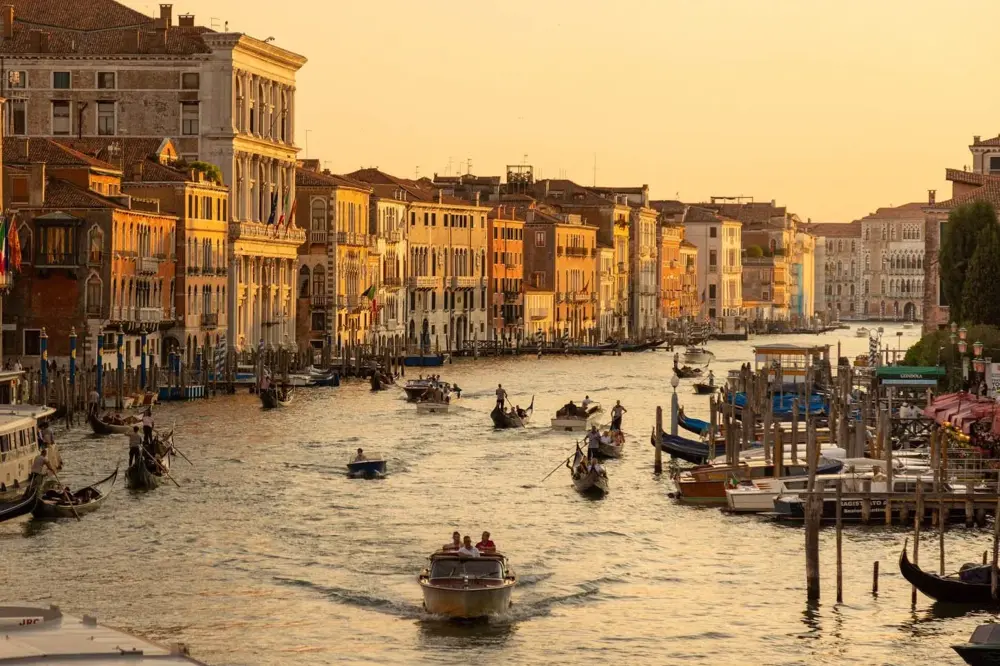
A month in Italy is enough time to stop sprinting between cathedrals and actually live somewhere. The best slow travel approach is to pick three or four bases (one per week), settle into apartments or family-run agriturismi, and let day trips happen from there rather than dragging suitcases through a new train station every two days.
Last updated: May 25, 2026
How to Think About a Month in Italy
Most first-time visitors try to fit Rome, Florence, Venice, the Amalfi Coast, Cinque Terre, Sicily, and the Dolomites into 30 days. They end up exhausted, overpay for everything, and remember almost nothing. Slow travel inverts the formula: fewer places, longer stays, weekly grocery runs, neighborhood cafés that recognize you by day three.
A reasonable rhythm for one month:
- Week 1: One major art city (Rome or Florence) for orientation and big-ticket museums.
- Week 2: A rural region (Umbria, Tuscany, or Le Marche) using a small town as a base.
- Week 3: The south (Puglia, Basilicata, or Campania away from the Amalfi Coast).
- Week 4: The north (Piedmont, Emilia-Romagna, or the Veneto countryside).
This lets you take advantage of weekly rental discounts (apartments are routinely 30 to 50 percent cheaper booked by the week), reduces tourist tax exposure, and gives you actual rest days.
Regions Worth Staying In for a Week or More
Umbria
Called the "green heart of Italy," Umbria has Tuscan-quality landscapes, medieval hill towns (Spoleto, Spello, Todi, Orvieto), and roughly half the prices of its more famous neighbor. Base yourself in Perugia or a countryside agriturismo near Assisi. Train connections to Rome and Florence are direct.
Puglia (the heel)
The trulli of Alberobello, the white city of Ostuni, the baroque streets of Lecce, and a long coastline of swimmable beaches. A week here lets you cook with local burrata, taccole, and orecchiette pasta from the morning markets. Renting a car is worthwhile; just learn the ZTL rules before you arrive (see below).
Emilia-Romagna
For food-obsessed travelers, this is the region. Parmigiano-Reggiano dairies near Parma, balsamic acetaie in Modena, the porticoes of Bologna, and tortellini in brodo at family trattorie. Trains between Bologna, Modena, Parma, and Reggio Emilia run constantly, so one apartment in Bologna covers the whole week. This region is also the spiritual home of the slow food movement in Italy.
Piedmont
Turin is underrated as a base: grand boulevards, royal palaces, the best aperitivo culture in Italy, and easy train access to the Langhe wine country (Barolo, Barbaresco, Alba). Autumn is white truffle season. Quieter than Tuscany, equally beautiful.
Sicily (east coast)
If you go to Sicily, do not try to circle the whole island in a week. Base in Catania or Siracusa and use that single point for day trips to Mount Etna, Taormina, Noto, and Ortigia. The pace is slower, the food is its own cuisine, and prices remain reasonable.
What to Skip (or Heavily Limit)
- The Amalfi Coast in July and August. Buses are full, traffic on the SS163 is bumper-to-bumper, and a basic hotel room runs €400+ per night. Visit in late September or May, or substitute the Cilento coast just south.
- Cinque Terre as a multi-day base. The five villages are gorgeous but tiny and overrun. A single long day trip from La Spezia or Levanto is plenty.
- Venice as an only-Venice week. The city is magnificent for two or three nights. Beyond that, stay in Treviso, Padua, or Vicenza and day-trip in. You will also avoid Venice's peak-day access fee on most visits.
- Driving into any historic city center. ZTL fines are automated and unforgiving.
- Trying to add Sardinia to a one-month mainland trip. Save it for a dedicated trip.
If this is your first ever visit to Italy and a month feels overwhelming, our 1 week Italy itinerary for first-timers covers the standard Rome-Florence-Venice triangle in a saner format.
A Sample 30-Day Itinerary
Days 1–7: Rome
Stay in Monti, Trastevere, or Testaccio. Spread the famous sites across the week rather than cramming them into 48 hours. Reserve the Colosseum and Vatican Museums in advance (tickets are nominative and ID is checked at entry). Take an actual rest day mid-week. Cook at least three dinners from the Mercato di Testaccio.
Day trips by regional train: Ostia Antica (cheaper and emptier than Pompeii), Tivoli (Villa d'Este gardens), Orvieto.
Days 8–14: Umbria, based in Spoleto or Assisi
Take the regional train from Rome (about 1.5 hours to Spoleto). Rent a small apartment or stay at an agriturismo. Day trips to Perugia, Gubbio, Bevagna, the Marmore waterfalls. Cook with what you find at the Saturday market.
Days 15–21: Puglia, based in Lecce or Monopoli
Fly Rome–Brindisi or Rome–Bari (often €40 or so one-way) rather than spending a full day on trains. Rent a car for the week to reach the smaller masserie, Otranto, Polignano a Mare, and the Valle d'Itria. Park outside ZTL zones in every town.
Days 22–28: Bologna
Fly or train north to Bologna. Daily train trips to Modena, Parma, Ravenna, and Ferrara are all under an hour. Book a pasta-making class. Eat tortellini in brodo at least twice.
Days 29–30: Buffer in Milan or Venice
End near your departure airport. Milan if you want one last grand meal and to catch a morning flight; Padua or Treviso if you want a calm finish near Venice.
Transportation: Trains, Cars, and ZTL Zones
Italy's high-speed network is excellent. Frecciarossa trains hit 300 km/h, and Rome to Florence takes 1 hour 16 to 19 minutes, with around 45 to 51 services per day. Walk-up Base fares are around €55 Rome–Florence and €99 Rome–Venice, but Economy and Super Economy fares booked weeks ahead start near €19.90 and €29.90 respectively. Children aged 4 to 15 get 50 percent off Base fares; under-4s travel free without a seat.
For shorter regional hops (Bologna–Modena, Spoleto–Assisi, Lecce–Otranto), you will be on regional trains, which work very differently from the Frecce. The pricing, validation, and seating conventions are explained in our guide to Italian regional trains transportation guide.
If you rent a car for the rural weeks, three rules:
- Carry an International Driving Permit alongside your home license. Non-EU drivers are legally required to have one.
- Never drive into a ZTL. Roughly 300 Italian towns have Zona a Traffico Limitato zones monitored by automatic plate cameras. Fines run €80 to €335 per crossing, with rental companies adding €30 to €60 in admin fees. Notifications may arrive up to 360 days later. Paying within 5 days gets a 30 percent discount.
- Milan's Area C charges €5 to enter on weekdays from 7:30 a.m. to 7:30 p.m.
Tourist Taxes and Entry Fees in 2026
The imposta di soggiorno is charged per person per night and paid in cash at checkout in many properties. 2026 rates in the major cities:
City | 3-star | 4-star | 5-star | Max nights |
|---|---|---|---|---|
Rome | €6 | €7.50 | €10 | 10 |
Florence | €6 | €7 | €8 | 7 (under-12s free) |
Milan | varies | €10 | €10 | 14 (under-18s free) |
Venice | €1–€4.50 (all categories) | 5 | ||
Naples | €3–€5.50 (hotels), €5 (short-term rentals) |
A few city-specific charges that catch people out:
- Rome's Trevi Fountain introduced a €2 entry fee in 2026, separate from the city tax and requiring pre-booking. Locals are exempt.
- Venice Access Fee for day-trippers: €5 if booked at least 4 days ahead, €10 if booked closer to the visit. It applies to visitors aged 14+ entering the historic city between 8:30 a.m. and 4:00 p.m. on 60 designated days in 2026 (Fridays–Sundays in April, May, June, July plus selected holiday clusters, between April 3 and July 26). Fines reach €300. Overnight guests are exempt but must still register on cda.ve.it for a QR-code exemption. The minor lagoon islands (Lido, Murano, Burano, Torcello) are not covered.
Museum and Attraction Costs
Attraction | Adult 2026 price | Notes |
|---|---|---|
Colosseum standard | €18 | Includes Roman Forum & Palatine Hill |
Colosseum Full Experience | €24 | Arena Floor / Underground |
Vatican Museums | €20 on-site / €25 online | Includes €5 booking fee |
Uffizi peak season | €21 window / €25 online (+€4 fee) | Nominative since Oct 2025 |
Uffizi Afternoon ticket | €16 | Entry after 4 p.m., new in 2026 |
Uffizi + Pitti + Boboli combo | €40 | Valid 5 consecutive days |
Free-entry days worth planning around:
- Colosseum, Roman Forum, Palatine Hill: first Sunday of every month, plus April 25, June 2, November 4. Arena and Underground are not accessible on free days; tickets must be collected on site.
- Vatican Museums: last Sunday of each month, 9 a.m. to 2 p.m. (last entry 12:30 p.m.). Expect long queues.
Colosseum tickets are released 30 days in advance and are nominative. Bring ID. The Uffizi added a €2 cloakroom fee for bulky bags as of May 11, 2026.
Entry Rules and Long Stays
US citizens can enter Italy visa-free for up to 90 days in any 180-day period for tourism. Your passport must be valid at least 3 months beyond your planned departure from the Schengen Area and have 2 blank pages.
Two changes are reshaping how Americans enter Europe in 2026:
- Entry/Exit System (EES): as of April 10, 2026, US travelers to 29 European countries have fingerprints, facial image, passport details, and entry/exit dates collected digitally. No fee.
- ETIAS: officially scheduled to launch Q4 2026 (October to December), confirmed in the European Commission's State of Schengen report on May 18, 2026. It will not be mandatory until roughly April 2027 after a 6-month transitional period. Fee is €20 for ages 18 to 70; authorization is valid 3 years or until passport expiry.
If a month is not enough and you want to stay longer:
- Elective Residence Visa: requires roughly €31,000–€32,000/year in passive income for a single applicant, €38,000 for a couple, plus €6,200 per dependent child. Employment and remote work income does not qualify. Apply through your local Italian Consulate.
- Digital Nomad Visa: implementing guidelines were published in the Gazzetta Ufficiale on March 2, 2026. Minimum gross income €28,000/year. Consulates began accepting applications March 18, 2026. The nulla osta is capped at 30 days, the visa itself at 15.
On any long-stay D visa, you must apply for the Permesso di Soggiorno within 8 working days of arrival at the local Questura. Schengen health insurance must cover at least €30,000.
Common Pitfalls
- Underestimating Sundays and Mondays. Many museums close Mondays; many small-town restaurants close Sundays. Plan groceries and laundry accordingly.
- Booking trains the day of travel. Same-day Frecciarossa fares can be three to four times the advance price.
- Carrying more than €10,000 in cash. Italy enforces a €10,000 import/export limit on entry and exit.
- Skipping reservations at the Vatican and Uffizi. Walk-up lines in summer can exceed three hours.
- Defacing monuments "for the photo." Fines start at €2,000 and can include a Daspo (city ban).
- Assuming credit cards work everywhere. Smaller trattorie and rural agriturismi still prefer cash.
FAQs
Is a month enough to "see" Italy? No, and that is fine. The point of slow travel is not to see everything; it is to actually experience the few places you do visit.
Should I rent a car the whole month? No. Use trains between cities and rent a car only for rural weeks (Umbria, Tuscany, Puglia, Piedmont). Returning a car for the urban weeks saves money and avoids ZTL risk.
When is the best month for this itinerary? Mid-September to late October, or mid-April to late May. You avoid August heat and crowds and miss the Venice access fee window in much of autumn.
Do I need to speak Italian? No, but even a few hundred words transforms the experience in small towns. Outside the main tourist zones, English fluency drops sharply.
Can I drink the tap water? Yes, almost everywhere, including the public fountains (nasoni) in Rome.
If you are planning a month or longer in Italy, picking up some Italian beforehand changes everything about how the trip feels, from market conversations to reading train announcements. Try Migaku to learn from Italian shows, news, and YouTube channels with built-in lookup and review.