One Week in Portugal: A Lisbon and Porto Itinerary for First Timers
最終更新日: 2026年5月19日
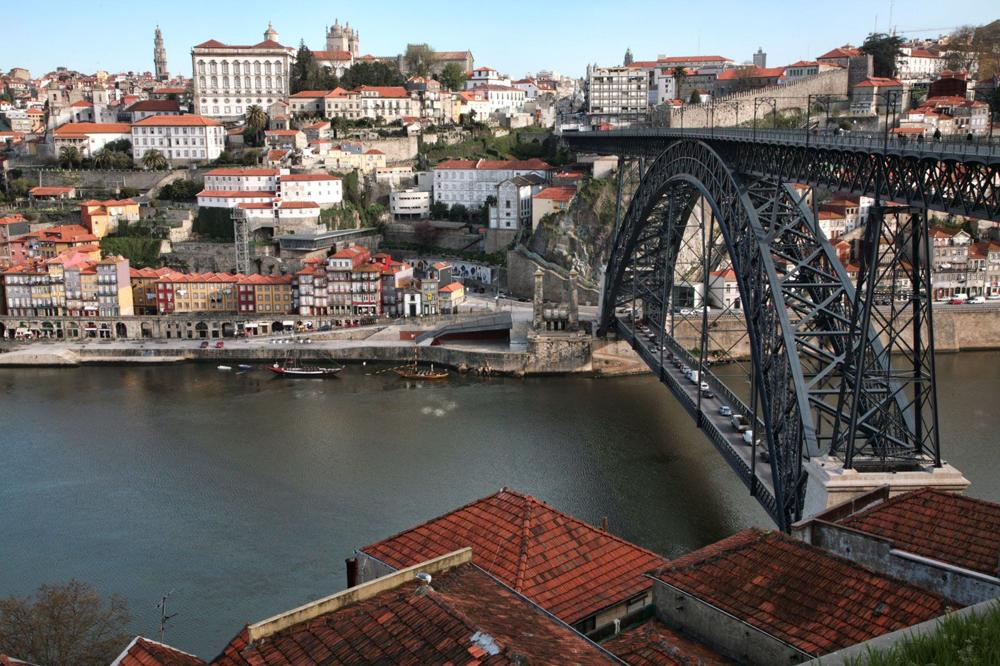
Seven days is enough to see the two cities that define Portugal for most first-time visitors, with a day trip to Sintra and a taste of the Douro Valley folded in. This itinerary assumes you fly into Lisbon, spend three nights there, take the train north, and finish with three nights in Porto before flying home from Francisco Sá Carneiro Airport.
Last updated: May 19, 2026
Before You Go: Entry Rules and Costs to Budget For
Portugal is part of the Schengen Area, and entry procedures have changed in the last year. The EU Entry/Exit System (EES) launched on October 12, 2025 and is being rolled out across all external border crossings, with full deployment targeted for April 10, 2026. Non-EU travelers should expect to have their fingerprints and a facial image registered at the first port of entry instead of receiving a passport stamp.
ETIAS, the European travel authorization for visa-exempt nationals (including US, UK, Canadian, and Australian passport holders), is confirmed to launch in Q4 2026 with a transition period of at least six months before it becomes mandatory (around April 2027). When it does go live, the fee is €20 per applicant aged 18 to 70, free for under-18s and over-70s, and the authorization is valid for three years or until your passport expires. If you are traveling in mid to late 2026, check your departure date against the current ETIAS status before flying.
Two other costs to bake into your budget:
- Lisbon tourist tax: €4 per person per night, capped at 7 nights (€28 max), for guests aged 13 and over.
- Porto tourist tax: €3 per person per night, capped at 7 nights (€21 max), also for guests 13 and over.
Most hotels and licensed apartments collect these at check-in or check-out, separately from your room rate.
A Realistic 7-Day Outline
Day | Base | Focus |
|---|---|---|
1 | Lisbon | Arrival, Alfama, sunset viewpoint |
2 | Lisbon | Belém, monastery, riverfront |
3 | Lisbon | Day trip to Sintra |
4 | Train to Porto | Morning in Lisbon, afternoon train, evening in Porto |
5 | Porto | Ribeira, Vila Nova de Gaia, port lodges |
6 | Porto | Douro Valley day trip |
7 | Porto | Bookshops, Bolhão, departure |
This layout keeps your luggage in one place for three nights at a time and avoids the classic first-timer mistake of trying to add Coimbra or the Algarve to the same week.
Days 1 to 3: Lisbon
Day 1: Arrival, Alfama, and the first miradouro
From Humberto Delgado Airport, the Lisbon Metro (red line) connects directly to the city center. A single Carris/Metro ticket costs €1.90 in 2026, or €1.72 using the Zapping balance on a Navegante occasional card (the card itself is €0.50 and lasts a year). If you plan to use buses, trams, and the metro all day, the 24-hour Carris/Metro pass is €7.25.
Drop your bags, then walk the Alfama district on foot. The neighborhood is small enough that you don't need transport, and the climb is part of the experience. Aim for Miradouro de Santa Luzia or Miradouro da Senhora do Monte for sunset over the terracotta rooftops. Dinner should be a slow fado meal in a small tasca around Rua dos Remédios.
Day 2: Belém
Take tram 15E or the train from Cais do Sodré to Belém. The major sight is the Jerónimos Monastery (€18 adult admission in 2026, closed Mondays, free entry on Sundays until 2 PM). Book a timed slot online: the queue at the door can swallow an hour even in shoulder season.
Note that Belém Tower remains closed for renovation and is expected to reopen around June 2026. If you visit before then, admire it from outside and skip the line. Use the time saved for the Berardo Collection or the Padrão dos Descobrimentos, and a custard tart from Pastéis de Belém (or the shorter line at Manteigaria).
If you plan to hit three or more paid monuments and use a lot of transport, the Lisboa Card is worth doing the math on. For the period April 1, 2026 through March 31, 2027, prices are €31 (24h), €51 (48h), and €62 (72h) for adults, and €21 / €28 / €35 for children aged 4 to 15. It includes the Jerónimos Monastery, unlimited Carris and Metro travel, and the CP trains to Sintra and Cascais. It must be activated within 28 days of purchase.
For a deeper walk-through of how the local transit card system works, see getting around Lisbon with the Navegante Card.
Day 3: Sintra day trip
The train from Rossio station to Sintra takes about 40 minutes and is included in the Lisboa Card or the €11.40 Carris/Metro/CP 24-hour pass.
The must-see is Pena Palace. Official 2026 prices for the combined Park and Palace ticket are €20 adult, €18 youth or senior, and €65 family. Tickets are timed and there is no tolerance for late arrival; missed slots are non-refundable. You can reschedule online tickets up to 6 PM the day before. Book the earliest slot you can stomach, then add Quinta da Regaleira or the Moorish Castle in the afternoon. Skip the Sintra National Palace if you are short on time.
Return to Lisbon for one last dinner and pack early; the train north leaves the next afternoon.
Day 4: Lisbon to Porto by Train
Spend your final Lisbon morning at LX Factory or the Time Out Market in Cais do Sodré, then head to Santa Apolónia or Oriente station for the train.
Two CP services connect the cities, with fares updated on January 1, 2026:
Service | 2nd class | 1st class | Journey time |
|---|---|---|---|
Alfa Pendular | €35.70 | €49.90 | ~2h 39m |
Intercidades | €28.05 | €41.50 | ~3h 04m |
CP applies a 25% discount for travelers under 25, 50% for seniors 65+, 50% for children, and 10% off return tickets. Book online at cp.pt a few days ahead for the cheapest fares; same-day tickets in summer often sell out the Alfa Pendular.
If you prefer the bus, Rede Expressos runs Lisbon–Porto for around €15 with the fastest service in about 3 hours 15 minutes.
Arrive at Porto's Campanhã station, transfer one stop on the urban line to São Bento (the famous tiled station), and walk to your hotel.
Days 5 to 7: Porto
Day 5: Ribeira and Vila Nova de Gaia
Start at São Bento station to see the azulejo panels, then walk down to the Ribeira waterfront via Rua das Flores. Cross the lower deck of the Dom Luís I Bridge on foot to Vila Nova de Gaia, where the port wine lodges line the south bank. Most lodges (Graham's, Taylor's, Sandeman, Cálem) offer paid tours with tastings; book at least one day ahead in summer.
A practical note on transit: the Porto.CARD with public transport was discontinued at the end of March 2026. Only the Porto.CARD Walker (no transport included) is now sold, at €7.50 for 1 day, €12 for 2 days, €16 for 3 days, and €18 for 4 days. For public transport, buy the separate Andante Tour Card at €7.50 for 24 hours, or load a regular Andante card with single trips. The metro from the airport to the center uses the same Andante system.
For a more thorough breakdown of the local network, including which Andante zones cover what, see navigating Porto's public transportation system.
Day 6: Douro Valley
The Douro is the reason many people add Porto to their Portugal trip in the first place. You have three reasonable options for one day:
- Organized tour from Porto: typically €90 to €130 per person, including transport, two winery visits, lunch, and a short river cruise.
- Train + boat combination: take the regional train from São Bento to Pinhão (about 2h 15m each way), enjoying the river views from the right-hand side, then a short rabelo cruise on arrival.
- Self-drive: rent a car for the day; the N222 between Peso da Régua and Pinhão is one of the prettiest drives in Europe. Skip this if anyone in your group wants to taste wine.
If you only have one day and don't drink, the train option is honest and inexpensive. If wine is the point, take a small-group tour.
Day 7: Bookshops, markets, and departure
Save the most-photographed sights for your last morning so you've already absorbed the city.
- Livraria Lello uses a paid voucher system. The Silver voucher is €10 and is deductible against the price of a book; Gold is €15.95 and includes a Lello Edition book; Platinum is €50 with access to rare books. Open Monday to Sunday 09:00 to 19:30, closed on January 1, Easter Sunday, May 1, June 24, and December 25.
- Mercado do Bolhão reopened after its long renovation and is the best place to grab lunch ingredients or a sit-down meal at one of the counter stalls.
- Clérigos Tower gives the best panoramic photo of the old town if you have the legs for the climb.
The metro's purple (E) line connects Trindade in the city center to Francisco Sá Carneiro Airport in about 30 minutes. Allow 2 hours before your flight for the new EES checks, which take longer than the old stamp routine.
Common First-Timer Pitfalls
- Trying to add a third city. Coimbra, Évora, and the Algarve are wonderful, but cramming them into seven days means half a day in each place and a lot of train time. Save them for a second trip.
- Skipping reservations for Pena Palace and Jerónimos. Both enforce timed entry. Walk-ups regularly miss out in peak months.
- Ignoring Monday closures. Jerónimos Monastery and most Lisbon museums close Mondays. Build your itinerary around that.
- Underestimating the hills. Both cities are steep. Bring real walking shoes, not fashion sneakers, and use the funiculars (Glória, Bica, Lavra in Lisbon) when your legs give out.
- Forgetting the tourist tax at checkout. Budget €4 per person per night in Lisbon and €3 in Porto on top of the room rate.
- Booking the cheapest train without reserving a seat. Alfa Pendular and Intercidades require seat reservations; don't show up at the platform expecting to buy on board.
Frequently Asked Questions
Is one week enough for Lisbon and Porto?
Yes, with the split suggested above (three nights Lisbon, three nights Porto, one travel day). You'll see the headline sights, get one day trip in each direction, and not feel rushed.
Which city should I fly into?
Fly into Lisbon and out of Porto (or vice versa). Open-jaw tickets are usually the same price as a round trip and save you a return train journey.
Do I need to speak Portuguese?
English is widely spoken in tourist areas in both cities, and signage at major sights is bilingual. Learning a few polite phrases (bom dia, obrigado/a, com licença) goes a long way, especially outside the centers.
Is Sintra better than the Douro Valley?
They are different. Sintra is half a day of palaces and forest within easy reach of Lisbon. The Douro is a full day of vineyards and river views from Porto. If you have one week, do both, one from each base.
When is the best time to go?
Late April to mid-June and mid-September to October offer warm weather, lighter crowds, and fewer closures than the dead of winter. July and August are hot and very busy.
Is Portugal cheaper than Spain or Italy?
Generally yes, especially outside Lisbon's most touristed blocks. Restaurant meals, wine, and intercity trains all run noticeably less than in Madrid or Rome, though hotel prices in Lisbon have caught up to Western European norms.
Can I extend this trip into a longer stay?
If you're considering studying or living in Portugal after this taste of it, the student visa options for Americans in Portugal cover the most common long-stay pathway.
If you want to actually understand the menus, the metro announcements, and the conversations at the next table on your next trip, try Migaku to learn European Portuguese from the shows, music, and articles you already enjoy.