Where to Live in Munich: A Neighborhood Guide for Foreigners
最終更新日: 2026年5月18日
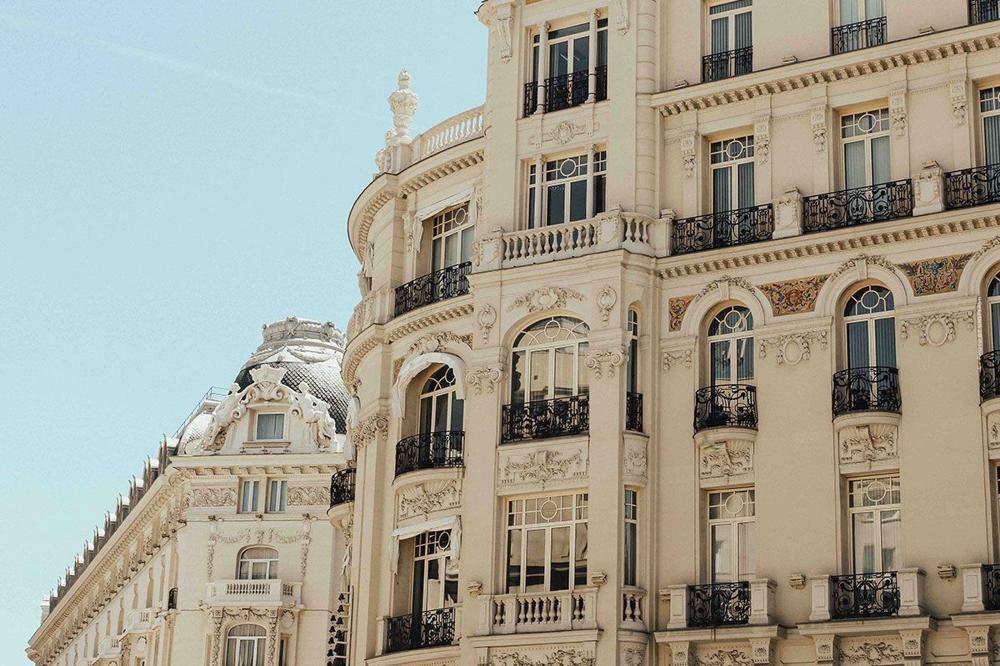
Munich's best neighborhoods for foreigners depend on your budget and stage of life: Schwabing and Maxvorstadt suit students and young professionals, Haidhausen and Glockenbachviertel attract creative and LGBTQ+ residents, Bogenhausen and Nymphenburg work for families, and Sendling, Westend, and Giesing offer better value while staying central. This guide walks through the trade-offs, the paperwork, and the numbers you actually need before signing a lease.
Last updated: May 18, 2026
- How Munich Is Laid Out
- Central Neighborhoods: Schwabing, Maxvorstadt, Altstadt
- East of the Isar: Haidhausen, Au, Bogenhausen
- South and Central-West: Glockenbachviertel, Isarvorstadt, Westend, Sendling
- North and West: Nymphenburg, Neuhausen, Moosach
- South and Southeast: Giesing, Harlaching, Solln
- Neighborhood Snapshot
- Registration and Paperwork After You Move In
- What You'll Actually Pay
- Affordable Housing and Housing Benefit
- Common Pitfalls for Foreigners
How Munich Is Laid Out
Munich is divided into 25 administrative districts (Stadtbezirke), but most foreigners orient themselves by named neighborhoods inside the central ring. The Altstadt (old town) sits at the core around Marienplatz, and the city expands outward in roughly concentric rings reached by the U-Bahn and S-Bahn networks. The S-Bahn ring is a useful mental boundary: inside it, you can usually reach the center in under 20 minutes; outside it, commutes stretch but rents drop.
A few things to keep in mind before fixating on any single area:
- Munich's rental vacancy rate sits between 0.5% and 1%, among the lowest in Europe. You will compete for almost every listing.
- The Mietspiegel 2025 (official rent index) average is €15.38/m² for existing contracts, but new leases on the open market currently ask around €20/m². Both are the highest in Germany.
- The Mietpreisbremse (rent cap) was extended by the Bundestag on June 26, 2025 through the end of 2029. It limits new contracts to 10% above the Mietspiegel value, but it does not apply to buildings first rented after October 1, 2014, or to fully renovated units.
- Bavaria's property transfer tax (Grunderwerbsteuer) is 3.5%, the lowest in Germany, which matters if you plan to buy.
Central Neighborhoods: Schwabing, Maxvorstadt, Altstadt
Schwabing is the classic expat starter neighborhood. It stretches north of the city center around Münchner Freiheit and borders the Englischer Garten. The area is a mix of late-19th-century apartment buildings, cafés, bookstores, and student-friendly bars near the LMU campus. Expect to pay at or above the new-let average of around €20/m² for unfurnished apartments, with premium addresses (Kaiserplatz, around Leopoldstraße) running higher.
Maxvorstadt sits between the main station and Schwabing and is Munich's university and museum quarter. The Pinakotheken, the Technical University (TUM), and LMU's main building are all here. It is walkable, well-connected via U2, U3, and U6, and packed with international students and young professionals. Rents are similar to Schwabing.
Altstadt-Lehel covers the historic core and the quiet residential pocket of Lehel between the old town and the Isar. It is convenient, beautiful, and expensive. Foot traffic is heavy during the day, and large supermarkets are scarce. Useful for short-term assignments or anyone who works in the center and wants to walk everywhere.
East of the Isar: Haidhausen, Au, Bogenhausen
Haidhausen is one of the most consistently recommended areas for foreigners settling in long-term. The streetscape around Wiener Platz and Weißenburger Platz mixes Wilhelminian-era buildings with cafés, wine bars, and a Saturday market. The Gasteig cultural center (currently in interim quarters during renovation) anchors the neighborhood. It is one stop on the S-Bahn from Marienplatz, served by U4 and U5, and feels calmer than Schwabing without being remote.
Au sits south of Haidhausen along the Isar. It hosts the Auer Dult markets three times a year and offers river access and quick connections to Rosenheimer Platz. Slightly cheaper than Haidhausen, with a similar feel.
Bogenhausen is further east, across the Isar from Lehel and Schwabing. The southern part (Prinzregentenstraße, Herkomerplatz) is one of Munich's most expensive areas, with embassies, villas, and quiet residential blocks. The northern stretches (Oberföhring, Englschalking) are more suburban and family-oriented, with houses, gardens, and access to international schools. Munich International School sits in Starnberg outside the city, but several other international and bilingual options operate in Bogenhausen.
South and Central-West: Glockenbachviertel, Isarvorstadt, Westend, Sendling
Glockenbachviertel and the adjacent Gärtnerplatzviertel form the heart of Munich's LGBTQ+ scene and the city's most concentrated nightlife district outside the old town. Independent shops, third-wave coffee, restaurants, and bars dominate. Apartments are small and pricey, and the area gets loud on weekends.
Isarvorstadt (the wider district containing Glockenbach and Schlachthofviertel) gives slightly more breathing room and direct access to the Isar river paths, which are heavily used for cycling, swimming, and weekend grilling in summer.
Westend (officially Schwanthalerhöhe), just west of the main station, has gentrified quickly. It used to be a working-class quarter with strong Greek, Turkish, and Italian communities, and you still find that food scene around Gollierplatz. Rents are climbing but remain below Schwabing and Haidhausen, and the U4/U5 makes the center a five-minute ride.
Sendling and Sendling-Westpark stretch south. Sendling proper has small businesses, the Großmarkthalle wholesale market, and good U-Bahn coverage. Westpark itself is a long, narrow park with lakes, a Thai pagoda, and a Chinese garden. The area suits families and remote workers who want green space and lower rent without losing the U3/U6 connection.
North and West: Nymphenburg, Neuhausen, Moosach
Neuhausen-Nymphenburg is one of the most balanced family neighborhoods in central Munich. Rotkreuzplatz is the hub, with the Hirschgarten beer garden (Germany's largest) to the south and Nymphenburg Palace and its park to the west. The streets are wide, the buildings are mostly pre-war low-rise, and the U1 plus several tram lines connect quickly to the center.
Moosach further northwest is more affordable, well-served by U3 and S-Bahn, and increasingly popular with families priced out of Neuhausen.
Milbertshofen and Olympiapark sit between Schwabing and the BMW headquarters. The Olympic Village and Olympic Park offer green space and sports facilities. Rents are moderate by Munich standards.
South and Southeast: Giesing, Harlaching, Solln
Obergiesing and Untergiesing have shifted in the last decade from working-class to mixed and increasingly desirable, particularly Untergiesing along the Isar. TSV 1860 fans, longtime residents, and newer arrivals share the area. Still cheaper than the central west and north.
Harlaching is leafier, hillier, and family-focused, with the Tierpark Hellabrunn zoo nearby.
Solln at the southern edge of the city is suburban, expensive in pockets, and popular with families who want detached houses and easy access to the Isar valley.
Neighborhood Snapshot
Neighborhood | Best for | Vibe | Transport |
|---|---|---|---|
Schwabing | Young professionals, students | Lively, café-heavy | U3, U6 |
Maxvorstadt | Students, academics | Museums, university | U2, U3, U6 |
Haidhausen | Long-term expats, couples | Cafés, calm, Isar | S-Bahn, U4, U5 |
Glockenbachviertel | Nightlife, LGBTQ+ | Bars, indie shops | U1, U2 |
Bogenhausen | Wealthy families | Quiet, residential | U4, tram |
Neuhausen-Nymphenburg | Families | Parks, balanced | U1, trams |
Westend | Value-seekers near center | Diverse, food-focused | U4, U5 |
Sendling/Westpark | Families, remote workers | Green, residential | U3, U6 |
Giesing | Budget central | Mixed, changing | U2, S-Bahn |
Moosach | Affordable family | Suburban-feel | U3, S-Bahn |
Registration and Paperwork After You Move In
Once you sign a lease, the clock starts. Under the Bundesmeldegesetz (Federal Registration Act), you must complete your Anmeldung (residence registration) within 14 days of moving in. Miss it and you can face a fine of up to €1,000 under Section 54 of the act.
Key points:
- The Anmeldung itself is free.
- It is processed at one of six Bürgerbüro locations belonging to the Kreisverwaltungsreferat (KVR).
- Appointments in Munich typically take 3 to 6 weeks to secure. Book the moment you have a signed lease, even before move-in.
- You will need your passport, the Wohnungsgeberbestätigung (a confirmation form signed by your landlord), and the completed Anmeldeformular.
- Your Steueridentifikationsnummer (tax ID) is mailed automatically to your registered address within 2 to 4 weeks.
If you need a residence permit afterward (non-EU citizens), the KVR appointment wait is at least 12 weeks and the general processing time is 8 weeks from receipt of documents. The biometric residence permit issuance fee is €100.
For an EU Blue Card in 2026, the minimum gross salary is €50,700/year for standard occupations and €45,934.20/year for shortage occupations, recent graduates, and IT specialists. Blue Card holders can apply for permanent settlement after 21 months with B1 German or 27 months with A1 German.
Do not forget the Rundfunkbeitrag (public broadcasting fee). It is €18.36 per month per household, mandatory, and billed automatically once you register.
What You'll Actually Pay
Alongside rent, budget for:
- Deutschlandticket: €63/month from January 2026 for unlimited local and regional transport across Germany. Bavarian student/trainee version is €43/month.
- Single MVV ticket, Zone M: useful as a fallback. A day ticket is €9.70 for adults. From January 2026, children aged 6 to 14 travel free on single day tickets.
- Airport transfers: single MVV ticket from Munich Airport (Zone M-5) to the city costs €14.30; the Airport-City Day Ticket is €16.30, with a group version (up to 5 adults) at €30.50.
- Rundfunkbeitrag: €18.36/month per household.
- Utilities (Nebenkosten): usually €2.50 to €3.50/m² on top of cold rent, plus separate electricity.
If you are buying, expect notary fees of roughly 1.0–1.5% (set by the GNotKG fee schedule, not negotiable), land registry fees of 0.3–0.5%, and the 3.5% Grunderwerbsteuer. Average Munich asking prices in February 2026 were around €8,165/m² for condominiums and €9,214/m² for houses. Foreign buyers without local income typically need 25–40% down payment, compared with 15–20% for residents with German income. There are no nationality-based restrictions on foreign buyers in Germany.
Munich's Grundsteuer (annual property tax) Hebesatz is 824%, calculated under Bavaria's area-based model since 2025.
Affordable Housing and Housing Benefit
If your household income is modest, look into:
- Münchner Modell: city-supported housing for middle-income residents, with initial rents starting around €12/m².
- Wohngeld: a means-tested housing benefit. Munich is classified as Mietstufe VII, the highest rent level, which raises the eligible amount. Wohngeld was increased by an average of 15% in January 2025 (around €30 more per household per month), bringing the average payment to about €400/month. No further increase is planned until January 1, 2027.
- Applications go to the Amt für Wohnen und Migration, Werinherstr. 87, 81541 Munich. Processing can take several months.
Common Pitfalls for Foreigners
- Underestimating the search timeline. Plan on 2 to 3 months of active searching. Many landlords require a Schufa credit report, three recent payslips, and a Mietschuldenfreiheitsbescheinigung from your previous landlord.
- Signing without checking the Mietspiegel. If the apartment was first rented before October 2014 and is not fully renovated, the Mietpreisbremse caps the rent at 10% above the local Mietspiegel value. You can challenge an overpriced rent in writing.
- Missing the 14-day Anmeldung deadline. Some banks, employers, and mobile contracts will not function without a registration certificate (Meldebescheinigung).
- Assuming furnished means temporary-friendly. Furnished apartments in Munich are often priced above the open-market average and frequently exempt from the rent cap. Useful for the first three months while you search; rarely good value long-term.
- Ignoring Nebenkosten and heating. A €1,500 cold rent can easily become €1,800+ warm. Always ask for the previous year's Nebenkostenabrechnung.
- Overlooking commute math. A €200/month rent saving in Dachau or Fürstenfeldbruck can disappear into longer S-Bahn rides and unpredictable winter delays.
FAQs
Which Munich neighborhood is best for English-speaking foreigners?
Schwabing, Maxvorstadt, Haidhausen, and Glockenbachviertel have the highest concentrations of international residents and English-friendly cafés, coworking spaces, and services. Bogenhausen suits families looking for international schools.
Is it possible to find an apartment in Munich without speaking German?
Yes, but it narrows your pool. Most listings on standard portals are in German. Hiring a relocation agent, using English-language platforms, or working through your employer's HR shortens the process. Reading lease contracts in German is a real risk; have someone fluent review the Mietvertrag before signing.
How long does it take to register in Munich?
The Anmeldung appointment itself takes 15 minutes, but securing the appointment usually takes 3 to 6 weeks. Book immediately after signing your lease.
Can I buy property in Munich as a foreigner?
Yes. Germany places no nationality-based restrictions on property buyers. Expect higher down payment requirements (25–40%) if you do not have German income or residence history.
What is the cheapest decent neighborhood in Munich?
Relatively speaking, Moosach, Sendling-Westpark, Obergiesing, and parts of Untergiesing offer better value while remaining inside the S-Bahn ring. "Cheap" is relative in Munich, which has the highest rents in Germany.
Do I need a car?
Generally no. The MVV (U-Bahn, S-Bahn, tram, bus) covers the city well, and the Deutschlandticket at €63/month is hard to beat. Cycling infrastructure is strong. A car is mostly useful for weekend trips to the Alps or lakes.
For wider European context, you may find our notes on the cost of living in nearby Madrid useful for comparison, and the healthcare system in Austria gives a sense of how a neighboring German-speaking country handles a different piece of expat life.
Moving to Munich goes more smoothly when you can read a Mietvertrag, follow a Hausverwaltung email, or understand what your neighbor means when she asks about the Hausordnung. Building real German with the shows, news, and YouTube channels you already watch is what Migaku is built for, and a solid grasp of German modal verbs is a sensible early win. If that fits your move, try Migaku.