Italian Table Manners: Pasta Rules, Bread Habits, Tourist Mistakes
Última actualización: 24 de mayo de 2026
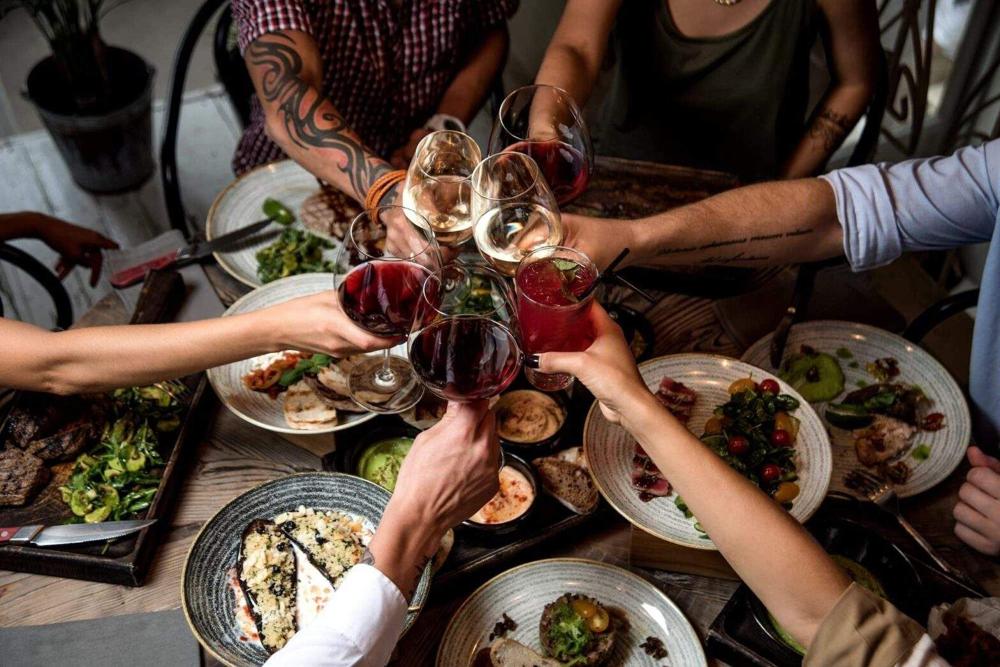
Italian table manners come down to a handful of unwritten rules about pasta, bread, coffee, and timing, plus a few legal quirks around the cover charge. Get those right and you will eat well, pay fairly, and stop announcing yourself as a tourist the moment the menu arrives.
Last updated: May 24, 2026
The Logic Behind Italian Dining Etiquette
Italian etiquette has a name: galateo. The word comes from Giovanni Della Casa's 1558 Florentine treatise Galateo: The Rules of Polite Behaviour, which shaped table manners across much of Europe. Modern Italian dining is less rigid than that history suggests, but the underlying logic still holds. Meals are structured, food combinations follow regional tradition, and there is a clear sense of what belongs together and what does not.
This matters in practice because Italian restaurants are not built around the customer-is-always-right model. A waiter will gently push back if you order a cappuccino with your spaghetti carbonara, and a Roman trattoria will not put parmigiano on your spaghetti alle vongole no matter how politely you ask. Understanding why makes the experience smoother for everyone.
A few things to know before sitting down:
- Lunch in Italy typically runs from about 1:00 to 2:30 p.m.
- Dinner rarely starts before 8:00 p.m. and often begins closer to 9:00 p.m.
- Arriving up to about 20 minutes late is tolerated, but call the restaurant if you will be later than that.
- Most kitchens close between lunch and dinner service; showing up at 4:00 p.m. expecting a full meal will not work outside tourist zones.
Pasta Rules: What Italians Actually Do
Pasta is where tourists give themselves away fastest. The rules are not complicated, but they are firm.
Use a fork only. Pasta is eaten with the fork in the right hand. The spoon-and-fork twirling technique that some American Italian restaurants teach is not Italian. A spoon may appear with brothy soups like pastina in brodo, but not with spaghetti or linguine.
Twirl against the plate, not against a spoon. Pick up a few strands, place the fork tines against the curve of the plate, and turn. If you have grabbed too many strands, let some fall back and try again. Cutting long pasta with a knife is considered a serious breach, with one exception: children and elderly diners who genuinely need it.
No cheese on seafood pasta. This is the rule tourists break most often. Italians do not put parmigiano or pecorino on dishes containing fish or shellfish. The same applies to pizza and most salads. If the waiter does not offer cheese, there is a reason.
Pasta is a first course, not a side dish. In a full meal, pasta is the primo, served after the antipasto and before the secondo (meat or fish). It is not a side to a steak. Ordering pasta as a side will confuse the kitchen and probably get you a polite explanation.
Sauce belongs with specific shapes. This is regional and somewhat flexible, but certain pairings are nearly inviolable: spaghetti alle vongole (clams), bucatini all'amatriciana, tagliatelle al ragù (never spaghetti Bolognese, which is not a real Italian dish), trofie al pesto. Asking to swap the pasta shape is unusual.
Finish the sauce, but be subtle. Wiping the plate with bread is called fare la scarpetta, and it is widely accepted at casual meals among friends and family. In a formal restaurant with people you do not know well, it is more discreet to leave a little sauce behind.
Bread Habits and the Coperto
Bread arrives at the table almost automatically in Italy, and it operates on its own rules.
- Bread is not a starter. It is meant to accompany the meal, especially the secondo, or to mop up sauce at the end.
- Butter is rarely served with bread. Olive oil and vinegar dipping bowls are an American restaurant convention, not an Italian one.
- Do not ask for bread to be brought before the antipasto unless you have a specific reason. It will come when the kitchen decides.
- Tearing bread by hand is standard. Cutting it with a knife is unusual.
The bread basket connects directly to one of the most misunderstood items on an Italian bill: the coperto, or cover charge.
Item | What it is | Typical range (2025–2026) | Legal status |
|---|---|---|---|
Coperto | Per-person cover charge | €1 to €3, up to €5 in famous tourist spots | Legal nationally if printed on the menu |
Servizio | Service charge | 10% (sometimes up to 20% in heavy tourist zones) | Legal if printed on the menu |
Pane | Bread charge (used in Lazio as a substitute for coperto) | Usually a few euros per person | Must be listed on the menu |
A 2006 regional law in Lazio (covering Rome, Frosinone, Latina, Rieti, and Viterbo) prohibits a line item labeled coperto. Restaurants in Rome typically charge a bread-basket fee instead, which must be clearly indicated. If a servizio charge is not printed on the menu and appears on your bill, you can ask for it to be removed; it is not legal in that case. For the current price-transparency framework, the Italian Ministry of Enterprises and Made in Italy and the consumer authority Altroconsumo are the bodies to check.
For more on when and how much to tip on top of these charges, see this guide to Italian tipping etiquette at restaurants.
How Italians Hold Cutlery and Sit at the Table
The Continental style is standard. Knife stays in the right hand, fork in the left, throughout the meal. The American habit of cutting with the right hand, putting the knife down, and switching the fork over is not done.
When you finish a course, lay the knife and fork parallel across the right side of the plate, fork tines facing down. This signals to the waiter that the course is done. Crossing the utensils means you are still eating.
A few more table behaviors worth knowing:
- Keep your hands visible on the table, wrists resting on the edge. Hands in your lap are considered slightly impolite in formal settings.
- Do not begin eating until everyone is served and the host says buon appetito.
- Do not pour your own wine before pouring for others at the table.
- Pass dishes to the right.
- Do not blow your nose at the table. Excuse yourself.
Coffee, Wine, and Drinks: The Order Matters
Drink choices are governed by the time of day and the course.
Coffee. Cappuccino is traditionally a breakfast drink, not consumed after about 11 a.m. The rule has softened in major cities, and no one will refuse to serve you one at 3 p.m., but it is never ordered with lunch or dinner. After a meal, Italians drink espresso (just called un caffè), or sometimes a caffè macchiato (espresso with a dot of milk). Never a cappuccino, never a latte (which in Italian simply means milk, and will get you a glass of warm milk if you order it that way).
For a deeper look at how to order at the bar and the distinction between al banco and al tavolo pricing, see Italian coffee culture and bar etiquette.
Wine. Wine pairings tend to follow the food: white with fish, red with meat, regional wines with regional dishes. Asking for a Chianti with your Sicilian seafood pasta is not wrong, exactly, but it is not what a local would do.
Water. You will be asked frizzante o naturale (sparkling or still). Tap water is rarely served, even on request, in most restaurants.
Aperitivo and digestivo. Before dinner: Aperol Spritz, Negroni, Campari soda, prosecco. After dinner: amaro, grappa, limoncello, sambuca. Cocktails during the meal are unusual.
Mistakes Tourists Make Most Often
A quick checklist of habits that mark you as a visitor:
- Ordering a cappuccino after a meal
- Asking for parmigiano on a seafood or vegetable dish
- Ordering pasta as a side to a meat course
- Cutting spaghetti with a knife
- Asking for olive oil and balsamic to dip bread in
- Showing up for dinner at 6:30 p.m. and finding the kitchen closed
- Tipping 20% American-style on a bill that already includes servizio
- Eating pizza with your hands in a sit-down restaurant (use a knife and fork; the hands-only approach is for street pizza al taglio)
- Ordering "spaghetti Bolognese," which does not exist in Italy (the dish is tagliatelle al ragù)
- Asking for substitutions or modifications to a traditional dish
- Splitting the bill into many tiny portions; Italians usually split evenly or one person pays
Regional variation matters too. What is normal in Naples may be unusual in Milan. For a closer look at how the cuisine and its conventions shift across the country, see this overview of Italian regional cuisine traditions.
Fees, Tipping, and Paying the Bill
The Italian bill works differently from the American one. The base price covers the food. Coperto or pane covers your seat, the bread, and the table setting. Servizio, when applied, covers service. Because of this, additional tipping is modest or unnecessary.
General guidance for 2026:
- If servizio is already on the bill (commonly 10% to 15%, sometimes higher in tourist-heavy areas), no further tip is required.
- If there is no servizio charge and service was good, rounding up or leaving a few euros in cash is appreciated. A 10% tip is usually considered generous.
- For excellent service at a higher-end restaurant, 10% to 15% is the upper end of what locals leave.
- For parties of 8 to 10 or more, expect an automatic service charge listed on the menu.
- Pay attention to al banco vs al tavolo pricing at bars: standing at the counter is cheaper than sitting at a table, and this dual pricing is legal as long as both prices are posted.
Ask for the bill by saying il conto, per favore. It will not arrive automatically; lingering is expected, and bringing the check unprompted is considered rude in Italy.
FAQs
Is it rude to ask for grated cheese?
Not rude, but read the dish first. On a meat ragù, yes. On spaghetti alle vongole, spaghetti al limone, or anything with fish, no.
Can I order just a pasta and skip the other courses?
Yes, especially at lunch. A single primo with a glass of wine is a perfectly normal lunch. At dinner in a formal restaurant, ordering only one course can feel sparse, but no one will turn you away.
Do Italians say grace or wait for the host?
No grace in most secular settings. Everyone waits until plates are served and someone says buon appetito. Then you begin.
Is it okay to take leftovers home?
Increasingly yes. Many restaurants now offer a doggy bag (the English term is used), especially after a 2018 national push to reduce food waste. Older or more formal restaurants may still find it unusual.
How long does a meal typically last?
A full lunch with multiple courses runs 90 minutes to two hours. A dinner can easily go two and a half hours or more. The table is yours for the evening once you sit down.
Should I tip the barista at a café?
Not really. Some Italians drop a small coin (10 to 20 cents) on the counter when paying for an espresso, but it is optional and not expected of visitors.
What about dietary restrictions?
Gluten-free awareness is high in Italy (the country has one of the most developed celiac infrastructures in Europe). Vegetarian options are common. Strict vegan requests outside major cities can be harder; call ahead.
Learning even a little Italian transforms how you are treated at the table, because waiters and shopkeepers respond to effort. If you are moving to Italy or planning a long stay, picking up the language through real Italian shows, menus, and conversations is the natural way to do it. Try Migaku to learn from the content Italians actually watch and read.