Tapas Culture in Spain: How to Order, Where to Go, and What to Try
最終更新日: 2026年5月31日
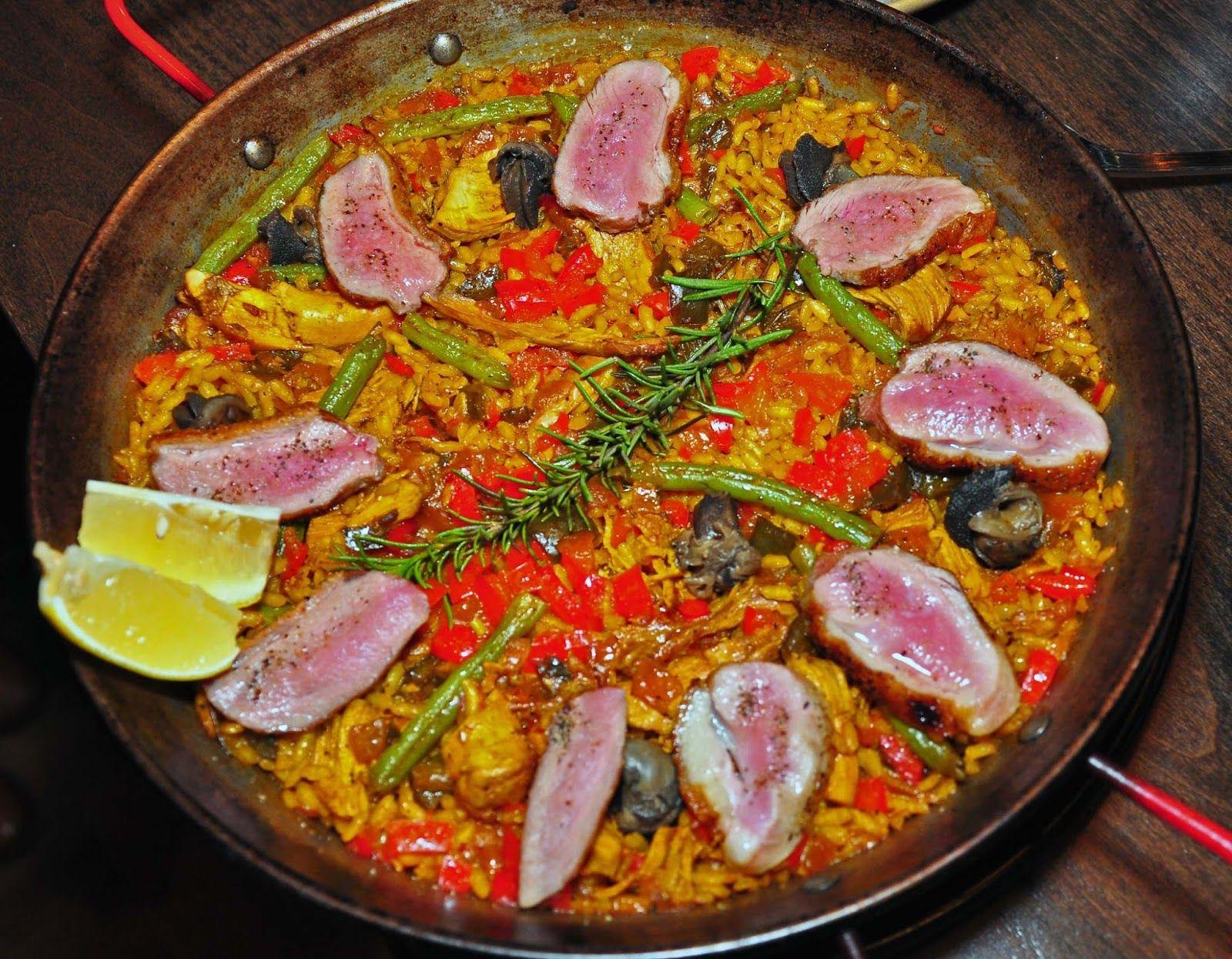
Spanish tapas are small plates of food traditionally served alongside a drink. Knowing how to navigate a tapas bar is an essential daily skill anywhere in Spain, whether you just landed or you’ve lived here for years.
Last updated: May 31, 2026
What Tapas Are (and Aren’t)
Tapas are not simply appetizer-sized entrées. By law and custom, they are small portions meant to be eaten in two or three bites while standing or perched at a bar. Royal Decree 187/2026 caps the maximum surcharge for tapas in historic centres at 0.60 € per item, so any price above that is optional and should be justified by premium ingredients.
Key distinctions:
- Tapa: small plate included or sold at low cost with a drink.
- Ración: larger plate to share, priced higher.
- Pincho or pintxo (Basque Country and Navarre): skewered bite, usually priced 2.00 €–3.50 €.
Granada remains unique: any drink priced at 2.20 € or more must include a free tapa under city ordinance 3/2026.
Pricing Rules You Should Know (2026)
Item | National Minimum | Maximum Historic-Centre Surcharge | VAT Rate |
|---|---|---|---|
Caña (200 ml draft beer) | 1.80 € | n/a | 10 % |
Tapa served with caña | included or up to 0.60 € surcharge | 0.60 € | 10 % |
Wine glass (100 ml) | market price | 0.60 € | 10 % |
Soft drink | market price | 0.60 € | 10 % |
Bars may go above the surcharge only if the menu lists the ingredient cost separately and the total remains transparent.
Core Etiquette: How to Order Like a Local
- Lean at the bar: Tables are for raciones or large groups. Locals rarely sit.
- Start with one drink, one tapa: Say “Una caña y una tapa, por favor.” Staff will show what is available.
- Pay when you move on: Most places total everything at the end. Toothpicks or small plates are counted.
- Tip modestly: Rounding up to the nearest euro or leaving 5 % is plenty.
- Allergens: From 1 October 2026, printed menus must list allergens; point to the list and ask “¿Cuáles son los alérgenos?” if unsure.
Useful phrases:
- “¿Qué recomiendan hoy?” (What do you recommend today?)
- “¿Puedo ver la tapa antes?” (May I see the tapa first?)
- “¿Sin gluten, por favor?” (Without gluten, please?)
Must-Try Tapas by City
Madrid
- Oreja a la plancha: grilled pig ear, crispy edges.
- Callos: tripe stew with chorizo, winter staple.
- Tortilla de patatas: classic potato omelet, order it jugosa (slightly runny).
Seville
- Espinacas con garbanzos: spinach and chickpeas with cumin.
- Solomillo al whisky: pork loin in whisky sauce.
- Pavia de bacalao: battered cod loin.
Barcelona
- Bombas: fried potato balls with spicy brava sauce.
- Pa amb tomàquet: bread rubbed with tomato and olive oil, often topped with cured ham.
- Calamares a la andaluza: Andalusian-style fried squid.
Granada
- Boquerones en vinagre: marinated anchovies.
- Patatas a lo pobre: poor-man’s potatoes with green pepper.
- Albóndigas en salsa: meatballs in almond-garlic sauce.
Valencia
- Esgarraet: salt-cod and roasted red pepper salad.
- Clóchinas: local steamed mussels.
- Croqueta de horchata: croquette made with tiger-nut milk, regional twist.
Bilbao
- Gilda: olive, anchovy, and guindilla pepper skewer.
- Txangurro: spider-crab gratin.
- Pintxo de foie: seared foie gras on brioche.
Where to Go: Bar Types and Districts
Traditional tabernas open early for breakfast and serve tapas until late. Look for hand-written chalkboards and standing-room crowds.
Modern gastrobars open around 20:00, offer plated presentations, and charge premium prices justified by chef pedigree.
Markets such as Mercado de San Miguel (Madrid) or Mercado Central (Valencia) host multiple stalls; you pay per stop and carry plates to communal tables.
Districts to target:
- Madrid: La Latina (Cava Alta, Cava Baja), Malasaña, and the side streets behind Plaza Mayor.
- Barcelona: El Born (Carrer de la Princesa), Gràcia (Carrer de Verdi), and Poble-sec.
- Seville: Alameda de Hércules and Calle Betis across the river.
- Granada: Calle Navas and Plaza de la Universidad.
- San Sebastián: Parte Vieja (31 de Agosto Kalea) for high-end pintxos.
Weekend nights fill up after 22:00; arrive at 19:30 to secure bar space.
Document Checklist for Food Allergies and Dietary Needs
From 1 October 2026, Spanish Food Safety Agency Circular 2/2026 requires clearer labelling. Carry the following if you have restrictions:
- Spanish allergy card (print or phone app) listing key allergens.
- Medical translation from your doctor, especially for celiac disease (enfermedad celíaca).
- Epinephrine auto-injector and the Spanish phrase: “Tengo anafilaxia, ¿pueden evitar trigo?” (I have anaphylaxis; can you avoid wheat?)
Most bars keep separate fryers for gluten-free items, but ask explicitly: “¿Fríen todo en el mismo aceite?” (Do you fry everything in the same oil?)
Fees, Subsidies, and Events in 2026
Programme or Charge | Area | Cost or Benefit | Deadline |
|---|---|---|---|
Tapa Sostenible subsidy | Seville | 500 € grant for biodegradable toothpicks | Apply by 30 June |
Tapes de Qualitat grant | Catalonia | 2,000 € per bar | 400 slots, rolling |
Ruta de la Tapa | Andalusia | 60 € registration + 25 € insurance | 31 May |
Sello de Tapa de Calidad | Nationwide | 120 € annual certification | Continuous |
“Tapas Enthusiast” visa waiver | Spanish Consulate London | 0 €, 90-day stay | Pilot until 31 Dec |
The Madrid regional government also funds the “Madrid Tapas Card” pilot: show your transport card for a 5 € discount on one tapa per participating bar (Centro & Salamanca districts).
Common Pitfalls to Avoid
- Assuming everything is free: Outside Granada, always ask “¿La tapa va incluida?”
- Over-ordering: Begin with one or two plates; portions are modest but add up.
- Tipping 15 %: Locals don’t. Round up or leave small change.
- Using a fork for everything: Most tapas are finger food; utensils are provided as needed.
- Missing last call: Kitchens close around 23:00 even if the bar stays open longer.
Quick FAQ
Q: Do I need a reservation?
A: No for traditional bars. Yes for gastrobars, especially on weekends; call after 17:00.
Q: Can I pay by card?
A: Most places accept contactless for totals above 5 €. Carry coins for old-school bars.
Q: Are tapas child-friendly?
A: Yes. Children are welcome before 22:00. Order a zumo (juice) and a non-spicy croqueta.
Q: Which drinks pair best?
- Dry sherry (fino) with seafood.
- Light beer (caña) with fried bites.
- Young red wine (tinto joven) with chorizo or morcilla.
Q: Gluten-free options?
A: Widely available in Madrid and Barcelona. Ask “¿Tienen tapas sin gluten?” and check the printed allergen menu.
Q: Can I photograph the food?
A: Locals tolerate it but avoid flash. Keep it quick; the bar is crowded.
Q: Tipping tour guides on tapas crawls?
A: 5 €–10 € per person is standard.
If you’re relocating to Spain, ordering tapas confidently will speed up your integration. Learn the most important Spanish verbs for conversations and check Salamanca’s immersion schools if you want classroom practice before you hit the bars. Migaku helps you pick up real Spanish from native content so you can read the chalkboard menus without hesitation.