Chinese Animals Vocabulary: Learn Common Animal Names in Chinese
Last updated: March 1, 2026
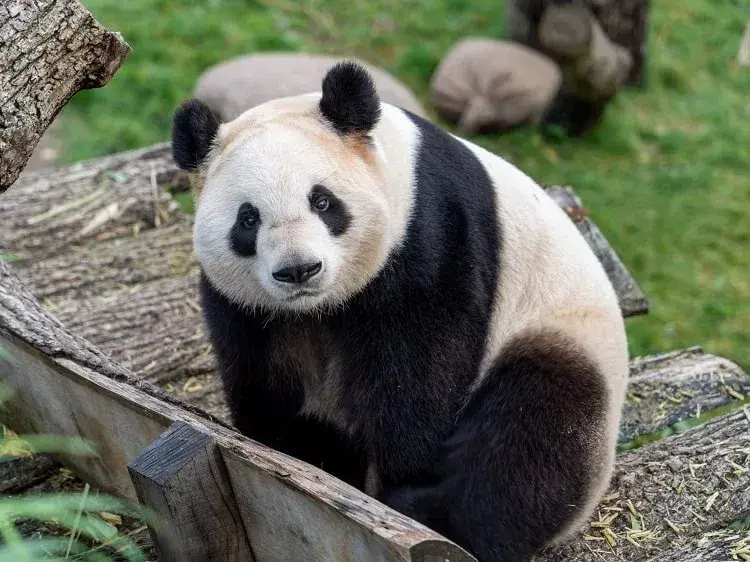
Learning animal vocabulary in any language is surprisingly useful. You'd think it's just basic stuff, but animals come up constantly in everyday conversation, from talking about pets to discussing what you had for dinner. Learning Chinese animals vocabulary is particularly interesting because the language uses specific measure words for different creatures, and many animal names have literal meanings that give you insight into how Chinese speakers view the world. Plus, the Chinese zodiac means animals play a huge cultural role you won't find in most Western languages.
- Understanding measure words for animals
- Common pets and domestic animals
- Chinese zodiac animals
- Wild animals and zoo creatures
- Sea and ocean creatures
- Insects and reptiles
- Idioms with animal names and cultural context
- Building sentences with Mandarin animal vocabulary
- Learning strategies for Chinese animal vocabulary
- FAQs
Understanding measure words for animals
Measure words in Mandarin are unavoidable when talking about animals. You can't just say "three dogs" like in English.
You need the pattern: number + measure word + animal name.
Measure Word | Explanation | Example |
|---|---|---|
Most common measure word for animals. Works for most birds, small mammals, and even some insects. | (a dog) (a cat) (a chicken) | |
Used for larger animals like cows, elephants, and pigs. Literal meaning is "head." | (a cow) (an elephant) (a pig) | |
Used for fish and other long, thin things like snakes. | (a fish) (a snake) | |
Used specifically for horses. | (a horse) |
Common pets and domestic animals
Let's start with the animals you'll encounter most often. These are the pets and farm animals that come up in basic conversations.
The word for dog is . Pretty straightforward. If you want to say "puppy," you'd say , where 小 means small. The measure word for is , which works for most small to medium animals. So "one dog" is .
Cat is , which honestly sounds a bit like "meow" if you squint at it. Same measure word applies: . A kitten would be .
English | Chinese |
|---|---|
Rabbit | |
Bird | |
Fish | |
Hamster | |
Turtle | |
Pig | |
Cow | |
Chicken |
Here's a quick example sentence:
-
。
My family has one dog and two cats.
Chinese zodiac animals
The twelve zodiac animals are probably the most culturally significant animal vocabulary you'll learn. Every Chinese person knows their zodiac sign, and it comes up in conversations about age, personality, and compatibility.
Here are all twelve in order:
# | English | Chinese |
|---|---|---|
1 | Rat | |
2 | Ox | |
3 | Tiger | |
4 | Rabbit | |
5 | Dragon | |
6 | Snake | |
7 | Horse | 马 |
8 | Goat | |
9 | Monkey | |
10 | Rooster | |
11 | Dog | |
12 | Pig |
What do the 12 Chinese animals represent? Each animal carries specific personality traits and fortune predictions. The rat represents intelligence and resourcefulness.
- 🐂 The ox symbolizes diligence and dependability.
- 🐅 Tigers are brave and competitive.
- 🐇 Rabbits are gentle and elegant.
- 🐉 Dragons (the only mythical creature) represent power and good fortune.
- 🐍 The snake means wisdom and intuition.
- 🐎 Horses are energetic and free-spirited.
- 🐐 Goats are calm and sympathetic.
- 🐒 Monkeys are clever and curious.
- 🐓 Roosters are observant and hardworking.
- 🐕 Dogs are loyal and honest.
- 🐖 Pigs represent generosity and diligence.
People born in each animal's year supposedly share these traits. It's similar to Western astrology but based on years instead of months. 2026 is the Year of the Horse, for reference.
Wild animals and zoo creatures
Once you've got the basics down, expanding into wild animals gives you vocabulary for nature documentaries, zoo visits, and more complex conversations.
Big cats and predators:
English | Chinese |
|---|---|
Lion | |
Tiger | |
Leopard | |
Wolf | |
Bear | |
Giant panda | (literally "big bear cat.") |
Larger animals:
English | Chinese |
|---|---|
Elephant | |
Giraffe | (literally "long neck deer") |
Monkey | |
Gorilla | |
Zebra | (literally "striped horse") |
Deer |
Sea and ocean creatures
Ocean animals follow the same pattern of descriptive naming.
English | Chinese |
|---|---|
Shark | |
Whale | |
Dolphin | (literally "sea pig") |
Octopus | |
Crab | |
Shrimp | |
Lobster | (literally "dragon shrimp") |
Notice how many of these include , meaning fish. Even though whales aren't technically fish, the Chinese language groups them with sea creatures using this character.
Insects and reptiles
Smaller creatures round out your animal vocabulary. These come up when talking about nature, gardens, or things you'd rather not find in your apartment.
Common insects:
English | Chinese |
|---|---|
Ant | |
Bee | |
Butterfly | |
Mosquito | |
Fly | |
Spider |
Reptiles and amphibians:
English | Chinese |
|---|---|
Snake | (uses as its measure word) |
Lizard | |
Crocodile | (another word even though crocodiles aren't fish) |
Frog |
Idioms with animal names and cultural context
Beyond just animal names, Chinese culture has tons of idioms and expressions featuring animals. These sayings reveal cultural attitudes and give you deeper insight into how Chinese speakers think.
For example, literally means "playing the lute to a cow." The meaning is similar to "casting pearls before swine" in English - wasting effort on someone who won't appreciate it.
Another expression is means "drawing a snake and adding feet." It refers to ruining something by adding unnecessary details. Snakes don't have feet, so adding them makes your drawing worse.
These idioms use common animal vocabulary but in figurative ways. Learning them expands your understanding beyond basic animal names into cultural literacy.
Building sentences with Mandarin animal vocabulary
Knowing individual words is one thing. Using them in context makes the vocabulary stick and actually useful for conversations.
Basic sentence pattern: Subject + verb + measure word + animal name
-
。
I have a cat. -
。
He raises three dogs. -
。
There are many tigers in the zoo.
Describing animals:
-
。
This cat is very cute. -
。
That snake is very long. -
。
Pandas eat bamboo.
Talking about what you see:
-
。
I saw a bird. -
。
There are many ants in the park.
Learning strategies for Chinese animal vocabulary
Here's what actually works for memorizing this stuff. Making lists is fine for reference, but you need active practice to make vocabulary stick.
- Group animals by category. Your brain remembers related words better than random lists. Study all the pets together, then farm animals, then wild animals. The connections help reinforce meaning.
- Pay attention to the Chinese characters. Many animal names share components that hint at their category. The radical (meaning insect) appears in butterfly , spider , and ant .
- Use the pinyin to practice tones. Animal names often have distinct tone patterns that make them memorable. The four tones in Mandarin change meaning entirely, so 马 (horse) with a third tone is completely different from (mother) with a first tone.
- Create example sentences for each animal. Seeing the word in context beats memorizing isolated vocabulary. Write sentences about what the animal eats, where it lives, or what it looks like.
- Practice with real content. Watch nature documentaries in Chinese, read children's books about animals, or follow Chinese social media accounts about pets. Seeing vocabulary used naturally helps it stick way better than flashcards alone.
Anyway, if you want to practice this vocabulary with real Chinese content, Migaku's browser extension and app let you look up words instantly while watching shows or reading articles. You can save animal vocabulary you encounter in context and review it later with built-in spaced repetition. There's a 10-day free trial if you want to check it out.

FAQs
Animals in Chinese aren't just random words to memorize
The vocabulary of animals in Chinese shows up in idioms, proverbs, cultural references, and daily conversations way more than you'd expect. The Chinese zodiac alone means that twelve specific animals carry symbolic meaning for personality traits, years, and even business decisions. To learn both the words and their cultural meanings, the key is immersion. Watch documentaries about the environment and animal protection, or movies about zodiac animals and Spring Festival traditions.
If you consume media in Chinese, and you understand at least some of the messages and sentences within that media, you will make progress. Period.
One video at a time!