# Chinese Dating Vocabulary: Romance, Flirting & Dating Phrases in Mandarin
> Learn Chinese dating vocabulary for romance, flirting, and relationships. Get practical Mandarin phrases with cultural context for real dates.
**URL:** https://migaku.com/blog/chinese/chinese-dating-vocabulary
**Last Updated:** 2026-04-08
**Tags:** vocabulary, phrases
---
You've been [learning Chinese](https://migaku.com/learn-chinese) for a while now, and you can handle basic conversations pretty well. You know how to order food, ask for directions, and chat about the weather. But are you going to be able to go on that date with that special someone who only speaks Chinese? Then you'll need more than [textbook](https://migaku.com/blog/chinese/best-chinese-textbooks) phrases to navigate romance in Mandarin. Let's dive into the essential Chinese dating vocabulary that'll actually help you express your feelings, flirt a bit, and maybe even land that second date.
----
## Relationship status terms you'll need
Before you can talk about dating, you need to know how to describe where you stand. Chinese has pretty straightforward terms for relationship statuses, and they come up all the time in casual conversation.
If you're flying solo, you're 单身 (dān shēn), which literally means "single body." Pretty poetic, right? When someone asks about your relationship status, you can say 我是单身 (wǒ shì dān shēn), meaning "I'm single."
Once you've got someone special, they become your 男朋友 (nán péng you) if they're your boyfriend, or 女朋友 (nǚ péng you) if they're your girlfriend. The structure is simple: 男 (nán) means male, 女 (nǚ) means female, and 朋友 (péng you) means friend. Put them together, and you've got your significant other.
For couples who are together, you can use 情侣 (qíng lǚ), which means "couple" or "lovers." This term works for any romantic pair, whether they're dating or married. You'll see this word everywhere, from couple's discounts at restaurants to matching couple outfits in stores (yes, that's a big thing in Chinese culture).
Another word just like 情侣 is 对象 (duì xiàng), which technically means "target" or "object" but colloquially refers to your romantic partner.
----
## How to say "I love you" and other romantic phrases
Here's the thing about expressing love in Chinese: there are levels to it, and using the wrong phrase at the wrong time can make things super awkward.
The big one everyone knows is 我爱你 (wǒ ài nǐ), which means "I love you." But hold up before you throw this around casually. In Chinese culture, saying 爱 (ài) is a pretty serious deal. You don't just drop the L-word after three dates like you might in English-speaking countries.
Before you get to 我爱你 (wǒ ài nǐ), you'll probably want to use 我喜欢你 (wǒ xǐ huan nǐ), which means "I like you." This phrase is way more common for confessing feelings or expressing romantic interest without going full commitment mode. The character 喜欢 (xǐ huan) means "to like" or "to be fond of," and it's perfect for those early stages when you're still figuring things out.
You can also say 我想你了 (wǒ xiǎng nǐ le), meaning "I miss you." This phrase is super versatile and gets used all the time in romantic contexts. It's sweet without being overwhelming.
Another good one is 你很特别 (nǐ hěn tè bié), which means "You're very special." It's a nice way to show someone they matter to you without dropping the full love bomb.
For something more playful, try 你好可爱 (nǐ hǎo kě ài), meaning "You're so cute." The word 可爱 (kě ài) works for people, animals, or things that are adorable.
----
## Pet names and terms of endearment in Mandarin
Chinese pet names can get pretty creative, and they're different from what you'd expect in English. Forget "honey" and "sweetheart," we're talking about something way more interesting.
The most common term of endearment is 宝贝 (bǎo bèi), which literally means "treasure" or "baby." You'll hear couples calling each other this constantly, both in person and over text. It's the Chinese equivalent of "babe" or "baby" in English.
Another popular one is 亲爱的 (qīn ài de), which translates to "dear" or "darling." This one's a bit more formal and romantic. You might see it in love letters or hear it in romantic dramas.
Here's where it gets fun: 老公 (lǎo gōng) and 老婆 (lǎo pó) literally mean "husband" and "wife," but couples use them even when they're just dating. It's like calling your girlfriend "wifey" in English, except way more common in Chinese. Some couples start using these terms pretty early in the relationship, which would seem weird in Western dating culture but feels totally natural in Mandarin.
----
## Essential date vocabulary and activities in Chinese dating culture
So you've got someone interested, now what? You need to know how to suggest activities and make plans in Chinese.
The word for "date" is 约会 (yuē huì). When you want to ask someone out, you can say 我可以约你出来吗 (wǒ kě yǐ yuē nǐ chū lái ma), meaning "May I ask you out?" The character 约 (yuē) means "to make an appointment" and 会 (huì) means "meeting," so together they form this concept of a planned romantic meeting.
For specific date activities, here's what you need to know. Going to see a movie is 看电影 (kàn diàn yǐng). This is probably the most common date activity mentioned in Chinese conversations. You can suggest it by saying 我们一起去看电影吧 (wǒ men yì qǐ qù kàn diàn yǐng ba), meaning "Let's go watch a movie together."
Getting coffee is 喝咖啡 (hē kā fēi). Coffee dates are huge in modern Chinese dating culture, especially in cities. You'll find couples hanging out in cafes for hours, and suggesting 喝咖啡 is a low-pressure way to spend time together.
Going for a meal together is 吃饭 (chī fàn). This literally just means "eat rice" or "have a meal," but it's the standard way to suggest getting food together. You might say 一起吃个饭? (yì qǐ chī gè fàn?), meaning "Want to grab a meal together?"
Taking a walk is 散步 (sàn bù). This is perfect for those romantic evening strolls. You could suggest 我们去公园散步吧 (wǒ men qù gōng yuán sàn bù ba), meaning "Let's go for a walk in the park."
----
## Flirting expressions for texting and real conversations
Modern Chinese dating happens a lot on apps like WeChat and Tantan, so you'll need some good texting vocabulary. The flirting game in Chinese has evolved quite a bit, especially with younger generations.
A classic flirty opener is 你有男/女朋友吗?(nǐ yǒu nán/nǚ péng you ma?), meaning "Do you have a boyfriend/girlfriend?" Straightforward, but it gets the job done.
For something more playful, try 你今天真好看 (nǐ jīn tiān zhēn hǎo kàn), which means "You look really good today." The phrase 好看 (hǎo kàn) literally means "good to look at" and works as a general compliment for appearance.
Here's a smooth one: 可以交个朋友吗? (kě yǐ jiāo gè péng yǒu ma?), literally meaning "Can I be your friend?" It sounds like just making friends, but it actually shows romantic interest sometimes.
If you want to be a bit bolder, there's 你是我喜欢的类型 (nǐ shì wǒ xǐ huan de lèi xíng), which means "You're my type." The word 类型 (lèi xíng) means "type" or "style," and this phrase directly expresses attraction.
For texting specifically, you'll see a lot of 在干嘛? (zài gàn má?), which means "What are you doing?" It's the Chinese equivalent of "wyd?" and serves as a conversation starter.
Another texting favorite is 晚安 (wǎn ān), meaning "good night." Seems innocent, right? But when someone consistently texts you 晚安 every single night, that's usually a sign they're into you. The consistency matters in Chinese texting culture.
----
## How to describe people in Chinese words
When you're talking about your crush or your date with friends, you'll need vocabulary to describe them. [Chinese has some specific ways to talk about attractiveness and personality](https://migaku.com/blog/chinese/chinese-adjectives) that don't translate directly from English.
For physical appearance, 帅 (shuài) means "handsome" and typically describes men. You might say 他很帅 (tā hěn shuài), meaning "He's very handsome."
For women, 漂亮 (piào liang) means "beautiful" or "pretty." So 她很漂亮 (tā hěn piào liang) means "She's very beautiful."
The word 美 (měi) also means "beautiful" but carries a more classical, elegant connotation. You'll see it in phrases like 美女 (měi nǚ), meaning "beautiful woman," which people sometimes use as a casual form of address.
For personality traits, 温柔 (wēn róu) means "gentle" or "tender" and is considered a very attractive quality in a partner. Saying someone is 很温柔 (hěn wēn róu) is a serious compliment.
体贴 (tǐ tiē) means "considerate" or "thoughtful," another highly valued trait in romantic partners. If someone remembers small details about you and acts on them, they're 很体贴 (hěn tǐ tiē).
----
## Advanced relationship vocabulary
Once you're past the initial dating phase, you'll encounter more complex relationship vocabulary. These terms come up when things get more serious or, unfortunately, when they fall apart.
The phrase 表白 (biǎo bái) means "to confess one's feelings" or "to declare one's love." This is a big moment in Chinese dating culture. Someone might say 我要向她表白 (wǒ yào xiàng tā biǎo bái), meaning "I'm going to confess my feelings to her." The whole concept of 表白 is taken pretty seriously, and there's often a clear moment when someone officially confesses, unlike the more gradual "talking" phase common in Western dating.
When things are going well, you might hear 热恋期 (rè liàn qī), which means "honeymoon period" or literally "passionate love period." This describes that intense early stage when couples can't get enough of each other.
For the more serious commitment, 订婚 (dìng hūn) means "to get engaged," and 结婚 (jié hūn) means "to get married." These come up in conversations about future plans.
On the flip side, 分手 (fēn shǒu) means "to break up." The [characters](https://migaku.com/blog/chinese/chinese-characters) literally mean "separate hands," which is kind of poetic and sad at the same time. If someone says 我们分手了 (wǒ men fēn shǒu le), it means "We broke up."
吵架 (chǎo jià) means "to quarrel" or "to have a fight." Every couple does it, and knowing this word helps you talk about relationship conflicts.
----
## Modern slang and internet dating language
Chinese dating vocabulary has evolved rapidly with social media and dating apps. If you're texting someone or chatting on WeChat, you'll encounter some modern slang that didn't exist ten years ago.
The number 520 (五二零, wǔ èr líng) sounds like 我爱你 (wǒ ài nǐ) when pronounced, so people use it as a shorthand for "I love you" in texts. May 20th (5/20) has even become an unofficial Valentine's Day in China because of this.
Similarly, 1314 sounds like 一生一世 (yī shēng yī shì), meaning "forever" or "one life, one world." You'll see couples using these numbers in usernames, gifts, and messages.
The term 脱单 (tuō dān) literally means "to remove the single status" and refers to getting into a relationship. People celebrate 脱单 like an achievement, and it's a common topic of conversation.
撒狗粮 (sǎ gǒu liáng) literally means "to scatter dog food" but refers to couples showing off their relationship publicly, making single people feel jealous.
单身狗 (dān shēn gǒu) means "single dog" and is a self-deprecating term single people use to describe themselves. It's humorous and shows how Chinese internet culture has created its own dating vocabulary.
----
## Cultural context for Chinese dating vocabulary
Understanding the vocabulary is one thing, but knowing when and how to use it requires some cultural awareness. Chinese dating culture has some specific norms that affect how people use this language.
1. **First off, public displays of affection are way less common in China than in Western countries.** You won't see couples making out on the subway or being super touchy in public spaces. This reserved approach extends to language too. People tend to be more cautious about using strong romantic language in public settings.
2. **The progression from 喜欢 (xǐ huan) to 爱 (ài) is taken seriously.** When someone says 我爱你 (wǒ ài nǐ), it usually means they're thinking long-term. You won't hear it casually tossed around like "love ya!" in English.
3. **Family involvement in relationships is also much more significant.** Terms like 见家长 (jiàn jiā zhǎng), meaning "to meet the parents," represent a major relationship milestone. This phrase comes up in conversations about how serious a relationship is getting.
4. **Gift-giving culture affects dating vocabulary too.** Holidays like Valentine's Day (情人节 , qíng rén jié) and Chinese Valentine's Day (七夕 , qī xī) are huge deals, and there's specific vocabulary around giving gifts and celebrating these occasions together.
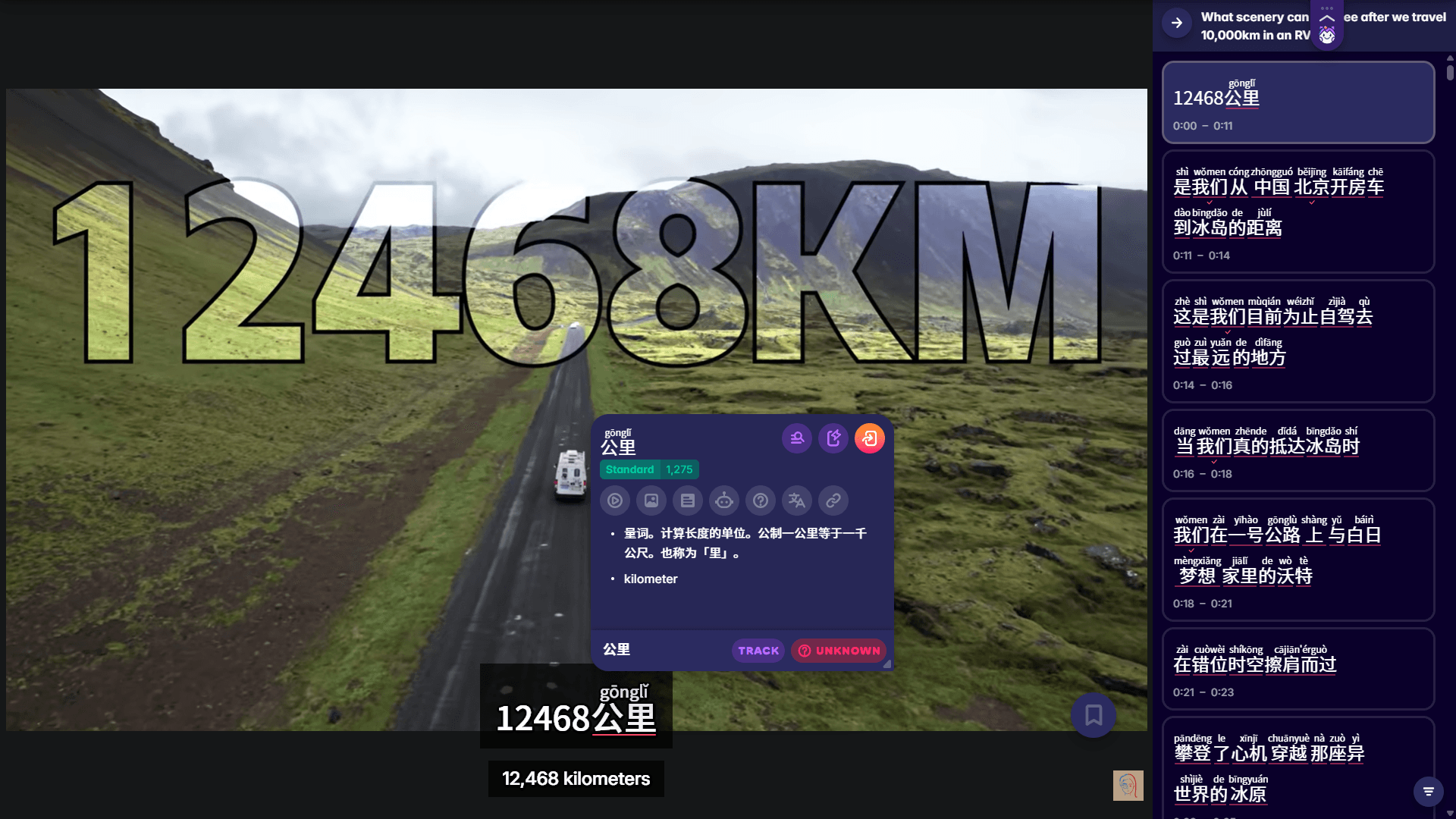
Want to actually practice this vocabulary with real Chinese content? Migaku's browser extension and app let you look up any word or phrase instantly while watching shows or scrolling through social media. You can save dating vocabulary directly from romantic dramas into your flashcards with full context. There's a 10-day free trial if you want to check it out.
 ----
## Expressing your love in Chinese requires more than just memorizing a list of phrases
You need to understand the cultural weight behind words like 爱 (ài), recognize when someone's being genuinely romantic versus just polite, and know how to read between the lines in Chinese texting culture. The best way to really internalize this vocabulary? Consume Chinese media focused on romance and relationships. Watch dating shows, romantic comedies, and slice-of-life dramas where characters actually use this language naturally. When you hear 我喜欢你 (wǒ xǐ huan nǐ) in context, with the right emotion and timing, you'll understand it on a completely different level than just reading it in a list.
> If you consume media in Chinese, and you understand at least some of the messages and sentences within that media, you will make progress. *Period*.
Love needs language.💪
----
## Expressing your love in Chinese requires more than just memorizing a list of phrases
You need to understand the cultural weight behind words like 爱 (ài), recognize when someone's being genuinely romantic versus just polite, and know how to read between the lines in Chinese texting culture. The best way to really internalize this vocabulary? Consume Chinese media focused on romance and relationships. Watch dating shows, romantic comedies, and slice-of-life dramas where characters actually use this language naturally. When you hear 我喜欢你 (wǒ xǐ huan nǐ) in context, with the right emotion and timing, you'll understand it on a completely different level than just reading it in a list.
> If you consume media in Chinese, and you understand at least some of the messages and sentences within that media, you will make progress. *Period*.
Love needs language.💪