Cost of Living in Japan for a Family of Four: Realistic Numbers
Last updated: May 30, 2026
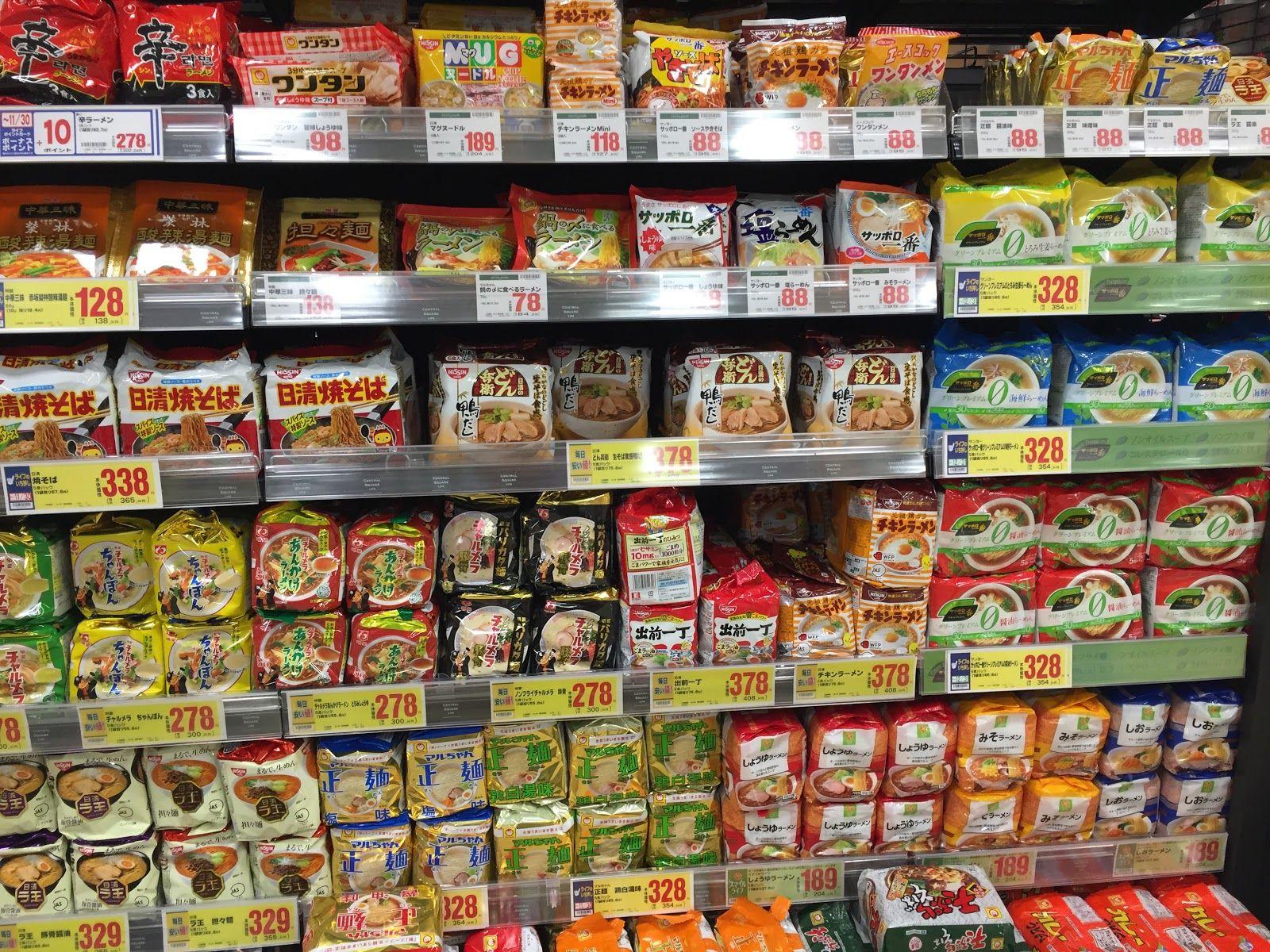
A family of four can live comfortably in Tokyo on roughly ¥700,000 to ¥1,100,000 per month including rent, and noticeably less outside the capital, with the exact figure swinging on housing choice and whether you use public or international schools.
Last updated: May 30, 2026
What a Realistic Monthly Budget Looks Like
Numbers for a family of four in Japan vary enormously depending on where you settle, how you school the kids, and whether one or both parents work. The figures below assume two adults, two children, a 3LDK apartment (three bedrooms plus living/dining/kitchen), public schooling unless noted, national health insurance, and ordinary middle-class spending habits.
Category | Tokyo (central) | Tokyo (outer wards) | Mid-size city (Fukuoka, Sendai) |
|---|---|---|---|
Rent (3LDK) | ¥300,000–¥500,000 | ¥200,000–¥250,000 | ¥120,000–¥170,000 |
Utilities (gas, electric, water) | ¥22,000–¥28,000 | ¥20,000–¥25,000 | ¥18,000–¥23,000 |
Internet + mobile (family of 4) | ¥15,000–¥25,000 | ¥15,000–¥25,000 | ¥13,000–¥22,000 |
Groceries | ¥90,000–¥110,000 | ¥90,000–¥100,000 | ¥80,000–¥95,000 |
Eating out (moderate) | ¥30,000–¥50,000 | ¥25,000–¥40,000 | ¥20,000–¥35,000 |
Transit (no car) | ¥15,000–¥25,000 | ¥15,000–¥25,000 | ¥10,000–¥20,000 |
National Health Insurance | varies by income | varies by income | varies by income |
Children's costs (clubs, supplies, clothes) | ¥30,000–¥60,000 | ¥25,000–¥50,000 | ¥20,000–¥40,000 |
Numbeo's May 2026 estimate puts the average monthly cost for a family of four in Tokyo at about ¥550,398 excluding rent, which lines up with the breakdown above once you add a typical 3LDK. Wise pegs the same figure at roughly US$3,444 excluding rent, with a 3-bedroom apartment averaging $1,251 outside the center and $2,216 in the center as of 2026.
Housing: The Single Biggest Variable
Rent is what makes or breaks a family budget in Japan. Across Tokyo's 23 wards, A-Realty's May 2026 sample of 26,874 listings puts median rent at:
- 1LDK: ¥138,700
- 2LDK: ¥215,800
- 3LDK: ¥298,400
Central wards like Minato, Shibuya, and Chiyoda commonly run ¥300,000 to ¥500,000+ for a 3LDK, while outer family-friendly wards like Nerima, Edogawa, and Adachi sit in the ¥200,000 to ¥250,000 range. Step outside Tokyo and the numbers drop sharply. Fukuoka, Sapporo, and Sendai families regularly rent a comparable 3LDK for ¥120,000 to ¥170,000.
The Move-In Shock
Japanese rentals demand a heavy upfront payment. Plan on 4 to 6 times the monthly rent at move-in. On a ¥200,000 apartment, expect ¥800,000 to ¥1,200,000 before you receive the keys, covering:
- Security deposit (敷金, shikikin): 1–2 months
- Key money (礼金, reikin, non-refundable): 0–2 months
- Agency fee: 1 month + 10% consumption tax
- Guarantor company fee: 50–100% of one month
- First month's rent in advance
- Fire insurance: ¥15,000–¥25,000 for two years
- Lock change: ¥15,000–¥25,000
Foreign-friendly agencies and serviced apartments can reduce the upfront burden, but expect to pay a premium on monthly rent in exchange.
Schooling: Where Budgets Diverge Most
This is the line item that splits family budgets in Japan into two completely different worlds.
Public Schools
Japanese public elementary and junior high schools are essentially free, with families paying only for lunches (around ¥4,500–¥5,500/month per child), supplies, uniforms, and field trips. From April 2025, public high school tuition is covered by a ¥118,800/year national subsidy regardless of income. From April 2026, the private-school subsidy ceiling rises to ¥457,000/year and the income cap is abolished, which effectively makes private high school tuition free for most families. Out-of-pocket costs (admission fees, facility fees, uniforms, club activities) typically still add ¥200,000+ at enrollment and several tens of thousands per month thereafter.
MEXT's most recent multi-year survey puts the total three-year cost of high school at about ¥1.78 million at public schools and ¥3.08 million at private schools.
International Schools
If you want an English-medium IB or American curriculum, prepare for a different order of magnitude. Tokyo international school tuition in 2026 runs from approximately ¥2.3 million per year for kindergarten to ¥4.2 million per year for IB Diploma students. The all-in number typically runs 20–30% higher once you add:
- One-time entrance/facility fee at first enrollment: ¥1,000,000–¥3,000,000
- Annual capital levy: ¥200,000–¥500,000
- School bus: ¥200,000–¥400,000/year
- Lunch, uniforms, trips, exam fees
For two children at an international school, budget ¥6–10 million per year. This is why most expat packages that include schooling are negotiated as gross-up arrangements.
Childcare and Preschool
From April 2026, Japan launches the nationwide "Childcare for All Children" program (こども誰でも通園制度), which offers hourly childcare regardless of whether parents work. Licensed hoikuen (daycare) costs are income-scaled and typically run ¥0–¥70,000/month per child, with the higher figure applying to higher-income households. Tokyo families earning around the national average often pay ¥20,000–¥40,000/month per child.
Food and Daily Spending
Grocery prices have climbed sharply. Average Japanese household food spending rose to ¥90,000–¥94,000/month by late 2025, up from roughly ¥70,000 two years earlier. A record 20,609 food items saw price increases during 2025. Headline CPI inflation cooled to 1.3% year-on-year in April 2026, with core CPI at 1.4%, both below the Bank of Japan's 2% target, but the price level itself has not retreated.
The consumption tax sits at 10% standard / 8% reduced (on food and certain newspapers). In 2026, Prime Minister Sanae Takaichi's administration announced plans to temporarily reduce the food consumption tax to zero for two years, which should lower grocery bills meaningfully if enacted as proposed. Check the National Tax Agency or your municipal office for the latest status.
Realistic family-of-four food budgets:
- Cooking mostly at home, shopping at OK Store, Gyomu Super, Seiyu: ¥80,000–¥95,000/month
- Mainstream supermarkets (Life, Inageya, Maruetsu): ¥90,000–¥110,000/month
- High-end imports (Kinokuniya, National Azabu, Costco mix): ¥120,000–¥160,000/month
- Eating out 2–3 times per week at family chains: add ¥25,000–¥50,000
Healthcare for a Family of Four
Japan's universal healthcare system is one of the strongest financial cushions for families. Residents on a long-term visa are required to enroll in either employer-based health insurance (健康保険, kenkō hoken) or National Health Insurance (国民健康保険, kokumin kenkō hoken).
- Patient co-payment: 30% of medical costs at point of service (lower for young children and seniors)
- High-cost medical expense cap (non-elderly): roughly ¥80,100/month plus 1% of costs above ¥267,000
- National Health Insurance premiums in Tokyo are capped at approximately ¥920,000 (medical) + ¥170,000 (long-term care) per household per year, totaling ¥1,090,000
A new Child and Child-rearing Support Contribution begins April 2026 for all health insurance subscribers, estimated at ¥250–¥450 per person per month according to government projections.
Childbirth costs have risen to a national average of over ¥518,000 (Tokyo as high as ¥625,000), but the ¥500,000 Lump-sum Childbirth Allowance offsets most of this, and from FY2026 the government aims to make standard childbirth effectively free at point of care.
From October 2026, Type 1 National Pension parents will be exempt from premiums (about ¥16,000–¥17,000/month) until their child turns one, saving roughly ¥190,000–¥200,000 in the first year.
Transportation
Most families in Tokyo, Osaka, Yokohama, and Nagoya do not own a car. The rail system makes it unnecessary and parking alone often costs ¥30,000–¥50,000/month in central locations.
Typical Tokyo family transit budget:
- Working parent commuter pass: ¥5,000–¥15,000/month (often reimbursed by employer)
- Non-working spouse and children: ¥5,000–¥15,000/month combined
- Total: ¥10,000–¥20,000/month
If you do choose a car, expect ¥20,000–¥40,000/month all-in, including:
- Parking: ¥15,000–¥50,000/month depending on area
- Shaken (mandatory biennial inspection): ¥100,000–¥200,000 every two years
- Insurance, taxes, fuel (gasoline averaged about ¥170/L in 2026)
In smaller cities and rural areas, a car is usually necessary and the cost is more manageable thanks to cheaper parking and shorter distances.
Utilities, Internet, and Phones
Utilities for a typical 85 m² family apartment in Tokyo average about US$147/month (electricity, gas, water, garbage), with summer air conditioning and winter heating pushing peak months higher. Add ¥15,000–¥25,000/month for fiber internet plus four mobile lines (rakuten Mobile, povo, and similar low-cost MVNOs keep this down; the major carriers push it up).
Taxes and Take-Home Pay
Japan's average annual private-sector salary reached a record ¥4.78 million in the latest National Tax Agency Survey, with full-time regular workers averaging about ¥5.45 million. A family of four in Tokyo typically needs a household gross income of ¥8–12 million to live comfortably with one child in extracurriculars, public schooling, and an outer-ward 3LDK. International school families generally need ¥20 million+ or a strong employer package.
Income tax is progressive (5–45% national + 10% flat resident tax). Social insurance (health, pension, employment, long-term care) takes roughly another 15% from gross pay. Plan on net take-home of about 70–75% of gross for a typical mid-range salary.
Common Budgeting Pitfalls
- Underestimating move-in costs. The 4–6 month upfront rent payment catches many newcomers off guard.
- Assuming international school will be temporary. Once kids are enrolled, switching to Japanese public school becomes harder each year due to language gap.
- Forgetting resident tax. It is billed in your second year based on first-year income, and the bill can be a shock.
- Buying a car by default. In Tokyo, Osaka, or any major city with rail access, a car is usually a net loss.
- Skipping National Health Insurance enrollment. Back-premiums can be charged for up to two years if you delay, and you may be denied coverage retroactively.
- Ignoring the My Number Card integration. From June 14, 2026, residence cards integrate with the My Number Card system, affecting health insurance, pension, and tax registration. Keep both updated.
Frequently Asked Questions
How much does a family of four need per month in Tokyo?
A comfortable middle-class budget in an outer Tokyo ward with public schooling runs roughly ¥600,000–¥750,000/month all-in. Central Tokyo with international schools pushes this to ¥1,500,000+/month.
Is Japan cheaper than the US or UK for a family?
Generally yes, particularly for healthcare, public education, transit, and food. Housing in central Tokyo is comparable to mid-size US cities but cheaper than London, New York, or San Francisco. The catch is international school tuition, which can erase the savings.
Can one parent work and the other stay home?
With a household income of ¥7–9 million in an outer ward of Tokyo or in a regional city, yes. In central Tokyo with two children, you typically need ¥10 million+ for a single-income household to live comfortably.
What visa do I need to relocate with my family?
Most working parents come on a work visa with spouse and children as dependents. Other paths include the Japan Spouse Visa if married to a Japanese national, starting a company in Japan as a business manager, or, for older parents joining adult children, exploring retirement visa options in Japan.
Will the food consumption tax cut actually happen?
As of May 2026, the temporary zero-rate food tax is announced policy but the implementing legislation has not finalized. Check the National Tax Agency for the latest status.
Does my child get child allowance?
Yes. Child Allowance (児童手当, jidō teate) is paid through high school graduation, with the income cap removed in recent reforms. Amounts vary by child's age and birth order; contact your municipal office for current rates.
Life in Japan is far easier when you can read a lease, understand a ward office form, and chat with the daycare staff. If you are moving with kids, learning Japanese through real shows, news, and books makes the day-to-day smoother, and try Migaku is built for exactly that.