Common Spanish Vocabulary Every Learner Needs (2026)
Last updated: April 28, 2026
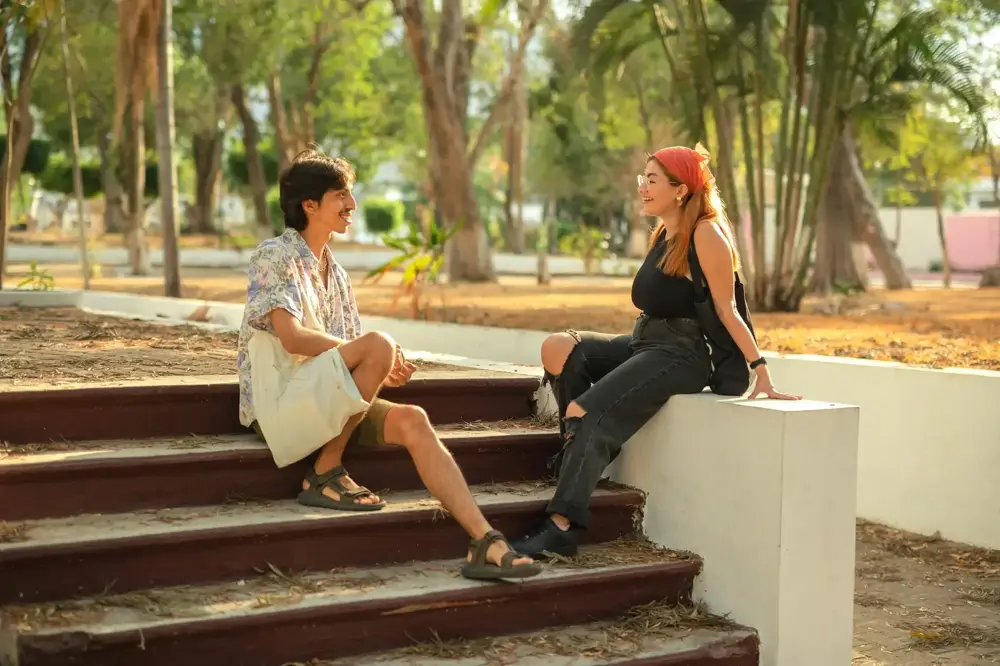
So you want to learn Spanish? Pretty cool. The thing is, most beginners get overwhelmed trying to memorize random word lists from textbooks. You end up knowing how to say "the pencil" but can't actually hold a basic conversation at a café. Here's what actually works: focusing on high-frequency vocabulary that native speakers use every single day. This guide covers the essential Spanish vocabulary you need as a beginner. We're keeping it practical and organized by category so you can use these words right away.
- The gender of Spanish words
- Greetings and polite phrases
- Basic verbs and action words
- Numbers, colors, and basic descriptors
- Common family and people words
- Master Spanish household and school items
- Food and drink essentials
- Questions and responses
- Vocabulary lists of time and days of the week
- How to improve your Spanish: Flashcards and others
The gender of Spanish words
Yep, every Spanish noun has a gender. It's either masculine or feminine. This affects the articles (el/la) and adjectives you use with each word.
- Most words ending in "o" are masculine: el libro (the book), el gato (the cat).
- Most words ending in "a" are feminine: la casa (the house), la mesa (the table).
But there are exceptions. El día (the day) is masculine even though it ends in "a." La mano (the hand) is feminine even though it ends in "o."
The best approach? Learn the article with the noun from the start. Don't just memorize "casa," memorize "la casa." Your brain will pick up the patterns naturally over time.
Greetings and polite phrases
Let's start with the basics. These are the first words you'll use in any Spanish conversation.
Essential greetings:
Spanish | English |
|---|---|
Hola | Hello |
Buenos días | |
Buenas tardes | Good afternoon |
Buenas noches | Good evening / night |
¿Cómo estás? | How are you? (informal) |
¿Cómo está usted? | How are you? (formal) |
Bien, gracias | Fine, thanks |
¿Y tú? | And you? (informal) |
Polite expressions:
Spanish | English |
|---|---|
Por favor | Please |
Gracias | Thank you |
De nada | You're welcome |
Perdón | Excuse me / Sorry |
Disculpe | Excuse me (formal) |
Con permiso | With permission (when passing by someone) |
Lo siento | I'm sorry |
Mucho gusto | Nice to meet you |
These phrases will get you through 90% of polite interactions. Practice them until they become automatic.
Basic verbs and action words
Verbs are where Spanish gets interesting. Every verb changes based on who's doing the action. Don't stress about memorizing every conjugation right now. Focus on the most common verbs in their present tense forms.
The big three irregular verbs:
Spanish | English |
|---|---|
Ser | To be (permanent states) |
Estar | To be (temporary states) |
Tener | To have |
Essential action verbs:
Spanish | English |
|---|---|
Ir | To go |
Hacer | To do / To make |
Poder | To be able to |
Querer | To want |
Hablar | To speak |
Comer | To eat |
Beber | To drink |
Vivir | To live |
Trabajar | To work |
Estudiar | To study |
Ver | To see |
Saber | To know (facts) |
Conocer | To know (people/places) |
Dar | To give |
Decir | To say / To tell |
Here's a quick example of how "hablar" (to speak) works:
- Yo hablo — I speak
- Tú hablas — You speak
- Él/ella habla — He/she speaks
You'll use these verbs constantly. The verb "tener" alone appears in dozens of common expressions like "tengo hambre" (I have hunger, meaning I'm hungry).
Numbers, colors, and basic descriptors
You need numbers for prices, times, dates, and ages. Colors and adjectives help you describe things when you don't know the exact word.
Numbers 1-20:
Spanish | English |
|---|---|
Uno | One |
Dos | Two |
Tres | Three |
Cuatro | Four |
Cinco | Five |
Seis | Six |
Siete | Seven |
Ocho | Eight |
Nueve | Nine |
Diez | Ten |
Once | Eleven |
Doce | Twelve |
Trece | Thirteen |
Catorce | Fourteen |
Quince | Fifteen |
Dieciséis | Sixteen |
Diecisiete | Seventeen |
Dieciocho | Eighteen |
Diecinueve | Nineteen |
Veinte | Twenty |
After twenty, Spanish numbers follow a pattern: veintiuno (21), veintidós (22), and so on. Then you get treinta (30), cuarenta (40), cincuenta (50), and up.
Common colors:
Spanish | English |
|---|---|
Rojo | Red |
Azul | Blue |
Verde | Green |
Amarillo | Yellow |
Negro | Black |
Blanco | White |
Gris | Gray |
Marrón | Brown |
Naranja | Orange |
Rosa | Pink |
Useful adjectives:
Spanish | English |
|---|---|
Grande | Big |
Pequeño | Small |
Bueno | Good |
Malo | Bad |
Nuevo | New |
Viejo | Old |
Fácil | Easy |
Difícil | Difficult |
Bonito | Pretty |
Feo | Ugly |
Alto | Tall |
Bajo | Short |
Common family and people words
Family vocabulary comes up constantly in conversations.
La familia (the family):
Spanish | English |
|---|---|
El padre | Father |
La madre | Mother |
El hermano | Brother |
La hermana | Sister |
El hijo | Son |
La hija | Daughter |
El abuelo | Grandfather |
La abuela | Grandmother |
El tío | Uncle |
La tía | Aunt |
El primo | Cousin (male) |
La prima | Cousin (female) |
El esposo / marido | Husband |
La esposa / mujer | Wife |
El niño | Boy / Child |
La niña | Girl / Child |
Other people:
Spanish | English |
|---|---|
El amigo | Friend (male) |
La amiga | Friend (female) |
El hombre | Man |
La mujer | Woman |
El bebé | Baby |
La persona | Person |
Notice how most family words have masculine and feminine versions? That's super common in Spanish.
Master Spanish household and school items
These words help you navigate daily life, whether you're at home, in a classroom, or shopping.
Around the house:
Spanish | English |
|---|---|
La casa | House |
La cocina | Kitchen |
El baño | Bathroom |
La habitación | Bedroom |
La sala | Living room |
La puerta | Door |
La ventana | Window |
La mesa | Table |
La silla | Chair |
La cama | Bed |
El sofá | Sofa |
La televisión | Television |
School vocabulary:
Spanish | English |
|---|---|
La escuela | School |
El libro | Book |
El cuaderno | Notebook |
El lápiz | Pencil |
La pluma / el bolígrafo | Pen |
El papel | Paper |
La mochila | Backpack |
El estudiante | Student (male) |
La estudiante | Student (female) |
El maestro | Teacher (male) |
La maestra | Teacher (female) |
Food and drink essentials
You'll need these words at restaurants, markets, and when talking about meals.
Basic foods:
Spanish | English |
|---|---|
El pan | Bread |
El arroz | Rice |
La carne | Meat |
El pollo | Chicken |
El pescado | Fish |
El huevo | Egg |
La fruta | Fruit |
La verdura | Vegetable |
El queso | Cheese |
La leche | Milk |
Drinks:
Spanish | English |
|---|---|
El agua | Water (note: uses "el" but is feminine) |
El café | Coffee |
El té | Tea |
El jugo | Juice |
La cerveza | Beer |
El vino | Wine |
Meals:
Spanish | English |
|---|---|
El desayuno | Breakfast |
El almuerzo | Lunch |
La cena | Dinner |
La comida | Food / Meal |
Questions and responses
Asking questions is how you learn Spanish in real situations. These question words are super important.
Essential question words:
Spanish | English |
|---|---|
¿Qué? | What? |
¿Quién? | Who? |
¿Dónde? | Where? |
¿Cuándo? | When? |
¿Por qué? | Why? |
¿Cómo? | How? |
¿Cuánto? | How much? |
¿Cuál? | Which? |
Common questions:
- ¿Hablas inglés?
Do you speak English? - ¿Cuánto cuesta?
How much does it cost? - ¿Dónde está el baño?
Where is the bathroom? - ¿Qué hora es?
What time is it? - ¿Cómo te llamas?
What's your name? - ¿De dónde eres?
Where are you from?
Useful responses:
- Sí.
Yes. - No.
No. - Tal vez.
Maybe. - No sé.
I don't know. - No entiendo.
I don't understand. - ¿Puedes repetir?
Can you repeat? - Más despacio, por favor.
Slower, please.
Vocabulary lists of time and days of the week
You need these words to make plans and understand schedules.
Days of the week:
Spanish | English |
|---|---|
Lunes | Monday |
Martes | Tuesday |
Miércoles | Wednesday |
Jueves | Thursday |
Viernes | Friday |
Sábado | Saturday |
Domingo | Sunday |
Time expressions:
Spanish | English |
|---|---|
Hoy | Today |
Ayer | Yesterday |
Mañana | Tomorrow |
Ahora | Now |
Después | Later / After |
Antes | Before |
La semana | Week |
El mes | Month |
El año | Year |
How to improve your Spanish: Flashcards and others
Knowing the words on a list is one thing. Actually remembering them when you need them? That's different.
- Spaced repetition works best. Review words at increasing intervals. You might see a new word today, again tomorrow, then in three days, then in a week. This locks vocabulary into long-term memory.
- Use the words in context. Make up sentences with your new vocabulary. Say them out loud. Write them down. The more you actively use a word, the better you'll remember it.
- Label things around your house. Stick notes on your refrigerator (el refrigerador), door (la puerta), and mirror (el espejo) with the Spanish words. You'll see them dozens of times a day.
- Think in Spanish. When you're doing daily activities, try naming things in Spanish. Making coffee? That's "hacer café." Opening the window? "Abrir la ventana."
- Practice with games and apps. Flashcard apps make vocabulary practice portable. You can squeeze in a quick study session while waiting for the bus.
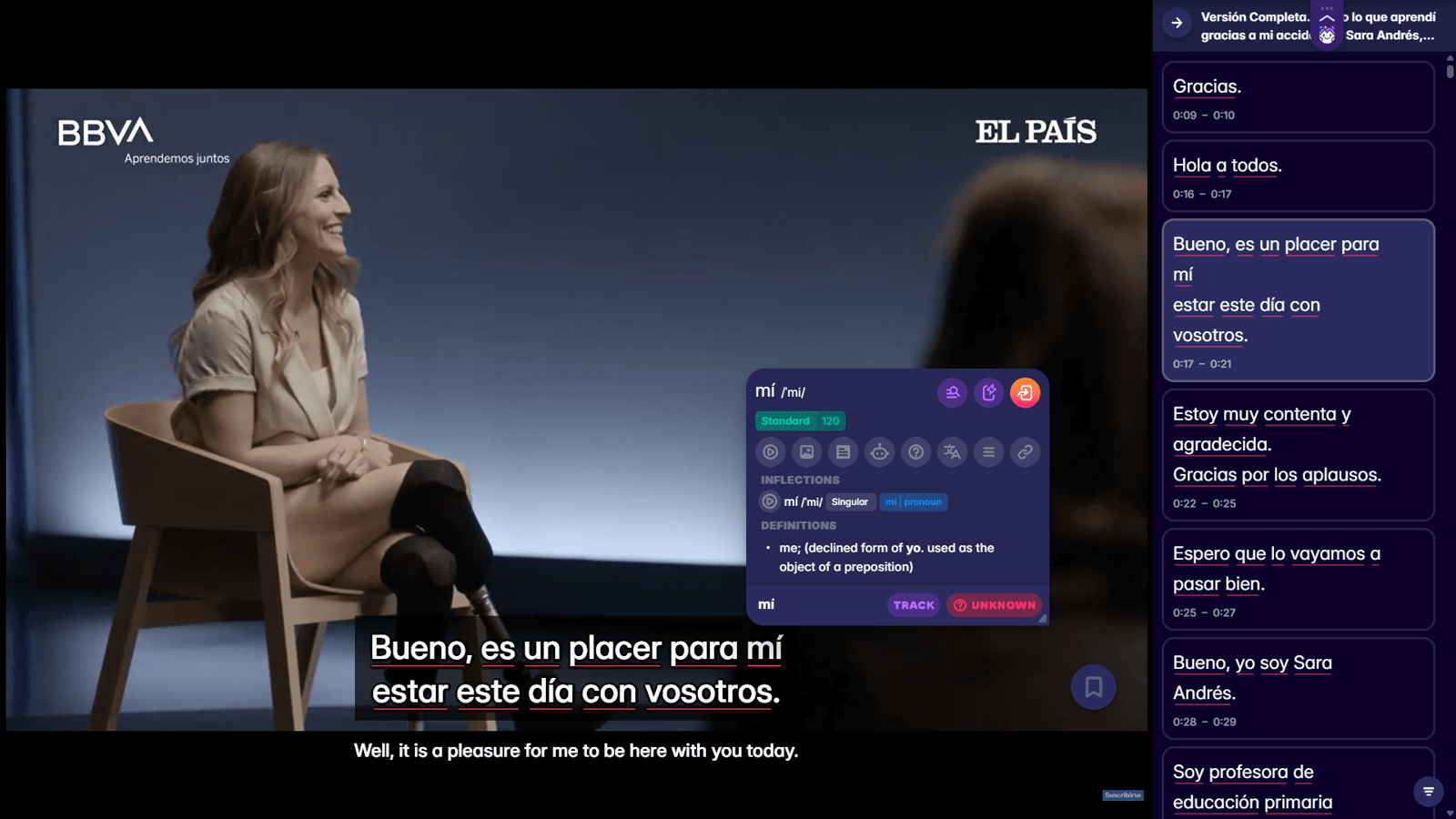
Anyway, if you want to learn Spanish vocabulary from actual content you enjoy, Migaku's browser extension lets you look up words instantly while watching Spanish shows or reading articles. You can save words and review them later with built-in spaced repetition. There's a 10-day free trial if you want to check it out.
Ready to learn more Spanish vocabulary?
You've got the foundation now. These essential words cover greetings, basic verbs, numbers, colors, family, household items, food, questions, and time expressions. That's enough vocabulary to have simple conversations and understand basic Spanish. The next step is using these words actively. Review them regularly, practice making sentences, and expose yourself to real Spanish content where you'll see these words in action.
If you consume media in Spanish, and you understand at least some of the messages and sentences within that media, you will make progress. Period.
Start well. Go far!