San'in Region Itinerary: Tottori, Shimane, and Quiet Coastlines
最終更新日: 2026年5月28日
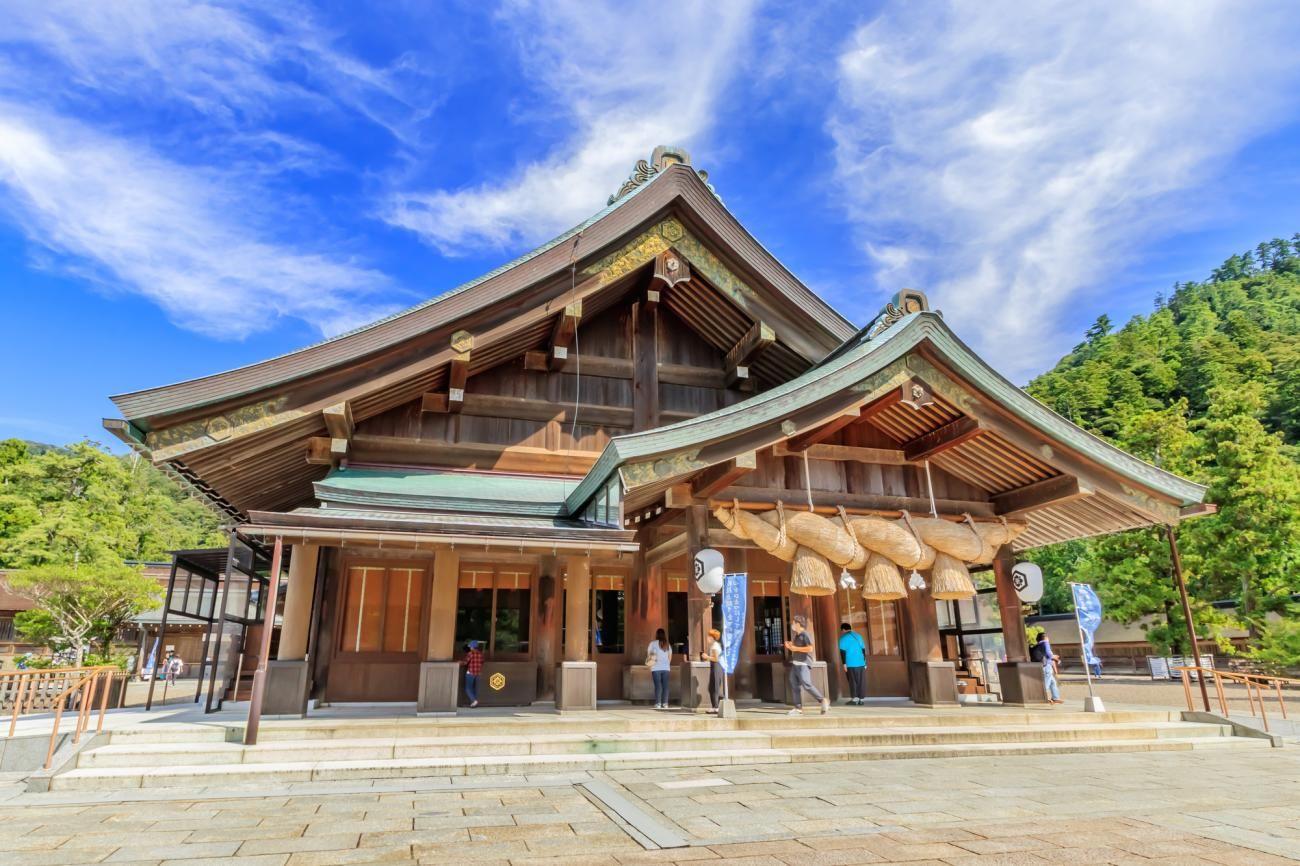
If you want a week in Japan without the Kyoto crowds, the San'in coast (Tottori and Shimane prefectures along the Sea of Japan) delivers shrines, dunes, silver mines, and ferry-only islands. This itinerary covers what to see, how to get there, what it costs in 2026, and the practical bits travel blogs tend to skip.
Last updated: May 28, 2026
Why San'in, and Who It's For
The San'in region is the northern, less-trafficked half of western Honshu. It shares a rail spine (the JR San'in Line) but no Shinkansen runs through it, which is exactly why crowds stay south on the Sanyo side. Expect slower trains, smaller stations, hot springs (onsen) with a handful of guests rather than a busload, and English signage that gets thinner the further west you go.
This itinerary suits travelers who:
- Have already done Tokyo–Kyoto–Osaka and want a second or third trip with depth.
- Are based in Japan as residents and want a domestic week away.
- Don't mind 1–2 hour train legs between towns.
- Like a mix of coast, gardens, history, and weird local culture (yokai, sand sculpture, sumo-origin shrines).
It does not suit travelers who need a major city every night, who can't tolerate sparse evening dining options, or who want a tight 3-day blitz. San'in rewards a slower pace.
Suggested 7-Day Route
The geography runs east to west along the coast. The cleanest itinerary picks one end as your entry and the other as your exit, so you aren't backtracking.
Day | Base | Main stops |
|---|---|---|
1 | Tottori City | Tottori Sand Dunes, Sand Museum |
2 | Tottori → Sakaiminato | Mizuki Shigeru Road, ferry port logistics |
3–4 | Oki Islands | Ferry over, one full day on the islands, ferry back |
5 | Matsue | Matsue Castle, Adachi Museum of Art (day trip to Yasugi) |
6 | Izumo | Izumo Taisha, Hinomisaki Lighthouse |
7 | Iwami Ginzan → Hagi-Iwami Airport | UNESCO silver mine, evening flight out |
If you only have four or five days, drop the Oki Islands and shorten the Iwami Ginzan leg.
Getting In and Around
Flights
Yonago Kitaro Airport (Tottori prefecture) handles direct flights from Seoul and Taipei plus domestic Haneda service. Izumo, Tottori, Oki, and Hagi-Iwami airports each connect to Haneda or Itami/Chubu Centrair. For most international visitors, the cleanest pattern is fly into Yonago or Izumo, exit from Hagi-Iwami or by JR back to Hiroshima/Osaka.
Rail passes
If you hold a Temporary Visitor status, JR West sells a few passes that cover this region:
- San'in-Okayama Area 4-Day Pass: from ¥4,580 adult, ¥2,290 child. Covers Limited Express YAKUMO and SUPER HAKUTO, local trains, the Loop Kirinjishi Bus around Tottori, and the Matsue Lakeline Bus. Best value if you stay within San'in.
- Sanyo-San'in Area Pass: 7 consecutive days, includes Sanyo Shinkansen Shin-Osaka–Hakata, the YAKUMO/HARUKA/SUPER HAKUTO limited expresses, and the JR Miyajima ferry. Good if you're combining San'in with Hiroshima.
- JR-WEST All Area Pass: ¥26,000 adult, ¥13,000 child (ages 6–11), 7 consecutive days.
Residents of Japan cannot buy the foreign-visitor passes. If you're an expat on a work or student visa, price out individual tickets via the JR West website instead.
Buses and rental cars
Local buses cover the highlights, but coverage thins on weekends. Renting a car at Yonago or Izumo is a reasonable option if you have an International Driving Permit and plan to push beyond the rail-connected towns. Roads are well-paved and rural traffic is light.
Day 1: Tottori City and the Sand Dunes
The Tottori Sand Dunes are the headline. They're free, open 24 hours, and reachable from JR Tottori Station by local bus in about 20 minutes for ¥380 one-way. On weekends and holidays, the Kirin Jishi Loop Bus does the route in about 25 minutes for ¥300.
At the dunes, the chairlift up the ridge now accepts Suica and ICOCA IC cards as of March 21, 2026. Optional activities priced for 2026:
- Camel rides (Rakudaya): ¥1,600 single rider, ¥2,600 two riders. Commemorative on-camel photo ¥650, beside-camel photo ¥100. Season runs roughly March to November, with rides starting from 9:30 a.m.
- Sandboarding at the Tottori Sand Dunes Sandboard School: ¥4,500–¥5,500 per session plus ¥500 insurance. Three sessions per day.
- Segway tours: Perfect Course (150 min) ¥9,800 with a Japanese-speaking guide or ¥14,800 with an English guide. Riders must be 16–70 years old and weigh 45–118 kg.
- Tottori Sand Dunes Illusion: a December light-up with around 450,000 LEDs, free admission. The 2025 edition ran December 14–28; expect a similar window in 2026.
Finish the day at the Tottori Sand Museum, the only indoor sand-sculpture museum in the world that builds a new themed exhibition each year. The 17th exhibition, "Spain," runs April 24, 2026 to January 3, 2027. Admission is ¥800 for adults and ¥400 for school-age students; hours 9:00–18:00, last entry 17:30.
Day 2: Sakaiminato and Yokai Street
A 90-minute train ride from Tottori brings you to Sakaiminato, hometown of manga artist Mizuki Shigeru. The 800-meter Mizuki Shigeru Road has 177 bronze yokai (ghost) statues from his work GeGeGe no Kitaro lining the sidewalk. Walking the street is free and the illumination runs from sunset until 10:00 p.m. nightly.
The Mizuki Shigeru Museum charges ¥1,000 for adults, ¥500 for junior-high and high-school students, and ¥300 for elementary students. Hours are 9:30–17:00 year-round.
Sakaiminato is also where you board the Oki Kisen ferry, so if you're continuing to the Oki Islands the next morning, sleep here.
Day 3–4: Oki Islands
The Oki Islands sit about 60 km off the coast and most travelers never make it. The group includes Dogo (the biggest island) and the three Dozen islands (Nishinoshima, Nakanoshima, Chiburijima). Highlights: Matengai sea cliff on Nishinoshima, salt-water lakes, dark-sky stargazing, traditional bullfighting at the Oki Cultural Hall.
Ferry options
Oki Kisen runs two services from both Shichirui Port (Shimane) and Sakaiminato Port (Tottori):
- Standard ferry: 2–2.5 hours each way.
- Rainbow Jet fast ferry: 60–70 minutes. Boarding reservation required. Does not run in winter.
For exact published per-class fares in 2026, check the Oki Kisen timetable PDF before booking, since smaller variations apply by class and route.
Oki-toku campaign
The Oki-toku return-ticket campaign offers a free 2nd-class return ferry ticket if you stay at a local accommodation and complete one registered activity on the islands. Under this campaign, the one-way ferry fare is ¥6,680 adult and ¥3,350 child. Reservations must be made by 17:00 the day before your visit. This effectively halves the ferry cost for a 2-day visit and is worth the paperwork.
Two full days lets you see one or two of the four islands. A single overnight is too tight unless you're laser-focused on Dogo only.
Day 5: Matsue and the Adachi Museum
Matsue is the prefectural capital of Shimane and one of the most underrated castle towns in Japan. Matsue Castle, designated a National Treasure in 2015, is one of only twelve original castles with its keep intact. Admission is ¥680 for adults and ¥290 for elementary and junior-high students. Hours run 8:30–18:30 from April 1 to September 30 (last entry 18:00) and 8:30–17:00 from October 1 to March 31 (last entry 16:30).
From Matsue, take a half-day to the Adachi Museum of Art in Yasugi. Its gardens have topped the Journal of Japanese Gardening's ranking for 22 consecutive years and the museum holds a three-star Michelin Green Guide Japan rating. As of April 1, 2025, adult admission is ¥2,500, with a ¥100 discount for foreign passport holders (¥2,400). University students pay ¥2,000, high school ¥1,000, and elementary/junior high ¥500.
Hours are 9:00–17:30 (April–September) and 9:00–17:00 (October–March). The Annex is scheduled to close on June 2–5, June 22–25, October 20–23, and November 16–17, 2026. The main galleries stay open on those dates, but plan accordingly if you want the full visit.
Day 6: Izumo Taisha
Izumo Taisha is one of the oldest and most important Shinto shrines in Japan, dedicated to Okuninushi, the kami of marriage and good relationships. The current Main Hall, a National Treasure, was reconstructed in 1744. The Kaguraden's giant shimenawa (sacred rope) measures 13.6 meters long and weighs 5.2 tons.
Shrine grounds are free. A goshuin (shrine seal stamp) costs ¥300. The adjacent Ancient Izumo History Museum is ¥620 and worth the hour for context on how the shrine evolved.
From Matsue, take the Ichibata Railway from Matsue Shinjiko Onsen Station to Izumo Taisha-mae Station: roughly 1 hour, ¥820 one-way, with a transfer at Kawato Station.
In the afternoon, head to Hinomisaki Lighthouse (the tallest stone lighthouse in Japan) on the coast west of Izumo for sunset over the Sea of Japan.
Day 7: Iwami Ginzan
Iwami Ginzan Silver Mine was inscribed as a UNESCO World Heritage Site in 2007. At its peak in the 1600s, it produced about a third of the world's silver. The protected area covers Omori town's preserved merchant streets, the Ryugenji Mabu mine shaft (in operation from 1715 and open to visitors), and the old shipping ports of Tomogaura, Okidomari, and Yunotsu.
Get there from Odashi Station on the JR San'in Line, then a 25-minute bus to the Iwami Ginzan World Heritage Center. Rent a bicycle in Omori to cover the longer distance to the mine shaft, or walk if you're not pressed for time. The town empties out by late afternoon, so plan to be there mid-morning.
From Iwami Ginzan you can continue west to Hagi-Iwami Airport for an evening flight, or head back east to Izumo for a return rail journey.
What This Trip Costs (Rough Estimate)
Item | Estimate (per person) |
|---|---|
7 nights mid-range lodging | ¥70,000–¥120,000 |
Rail (4-day San'in-Okayama pass + supplementary tickets) | ¥10,000–¥18,000 |
Oki ferry round-trip (with Oki-toku discount) | ¥6,680 |
Museum/castle admissions | ¥6,000–¥8,000 |
Food | ¥4,000–¥7,000 per day |
This lands most travelers between ¥130,000 and ¥200,000 for the week excluding flights.
Common Pitfalls
- Underestimating transit time. Limited Express YAKUMO and SUPER HAKUTO are the fastest options, but local lines between smaller towns can add an hour over what Google Maps initially suggests. Always check the timetable for the specific departure.
- Showing up for Oki ferries without a reservation. Rainbow Jet requires advance booking. Standard ferries can fill up in summer and during Golden Week.
- Visiting the Adachi Museum Annex on a closed date. Mark the 2026 closure dates (June 2–5, June 22–25, October 20–23, November 16–17) in your calendar.
- Eating after 8 p.m. in small towns. Many restaurants in Sakaiminato, Omori, and the Oki Islands close by 7 or 8 p.m. and don't take walk-ins late.
- Assuming card payments everywhere. IC cards work on most JR trains and the Sand Dunes chairlift, but cash is still expected at small shrines, family-run inns, and rural buses.
FAQs
Is the San'in region good for a first trip to Japan?
No. Save it for your second or third trip. The combination of slower transit, sparser English, and quieter towns rewards travelers who already know how Japan works.
Can I do this trip without speaking Japanese?
Yes, but it gets harder west of Matsue. Major museums and JR stations have English signage. Rural buses, small inns, and the Oki Islands are mostly Japanese-only. A translation app and a few phrases go a long way.
When is the best time to visit?
Late April through early June, and late September through November. Winters along the Sea of Japan are gray, wet, and the Rainbow Jet ferry stops. Summer is humid and busy at the dunes.
Is the Oki Islands trip worth two days?
If you like cliffs, dark skies, and remote-feeling places, yes. If you mainly came for shrines, castles, and gardens, skip it and add another day in Iwami Ginzan or Matsue.
Where else off the beaten path should I look?
If San'in suits you, you'll probably also enjoy our 2-Week Japan Itinerary Off the Beaten Path, 10-Day Tohoku Itinerary for Foreigners, and the 1-Week Shikoku Itinerary: Pilgrimage Towns.
A trip through San'in is more rewarding when you can read a hand-written izakaya menu or chat with the inn owner about which bus to take. If that sounds useful, see how Migaku works for learning Japanese from real shows, news, and books.