# How to Say Congratulations in Japanese: Unlock More Than Just Omedetou Gozaimasu
> Learn congratulations in Japanese with omedetou, formal phrases, and occasion-specific expressions. Includes pronunciation, usage, and cultural tips.
**URL:** https://migaku.com/blog/japanese/congratulations-in-japanese
**Last Updated:** 2026-01-01
**Tags:** fundamentals, vocabulary, phrases, grammar
---
Learning how to congratulate someone [in Japanese](https://migaku.com/learn-japanese) goes way beyond just memorizing a single phrase. The language has different expressions depending on who you're talking to, what you're celebrating, and how formal you need to be. Pretty cool how much nuance fits into a simple congratulations, right? I've spent years studying Japanese, and one thing that always struck me was how much context matters when expressing congratulations. The good news? Once you understand the basic patterns, it becomes pretty straightforward.
---
## The basic phrase: Omedetou
Let's start with the foundation. The most common way to say congratulations in Japanese is **omedetou** (). This is your go-to casual phrase for friends, family, and people you're close with.
The full phrase is actually , which adds a polite ending that makes it appropriate for nearly any situation. Think of omedetou as what you'd text a friend, while omedetou gozaimasu is what you'd say to a colleague or someone you respect.
What does omedetou gozaimasu mean exactly? It translates directly to congratulations, but the gozaimasu part adds a level of respect and formality. The word comes from medetai (), which means auspicious or joyous. So when you say omedetou, you're literally calling something joyous or worth celebrating.
Here's something interesting: you'll hear omedetou all the time in Japanese media, from anime to variety shows. It's probably the most versatile congratulatory phrase in the language.
---
## Formal ways to say congratulations in Japanese
When you need to step up the formality, Japanese has several options that show extra respect.
1. is the standard [polite form](https://migaku.com/blog/japanese/japanese-keigo-honorific-language-guide) I mentioned earlier. You can use this safely in most professional settings, with acquaintances, or with anyone older than you.
2. For business situations or really formal occasions, you might hear . The makoto ni part means truly or sincerely, adding extra weight to your congratulations. I've heard this at wedding receptions and company ceremonies.
3. Another formal option is , though honestly, this one sounds pretty old-fashioned. You'd mainly encounter it in very traditional settings or formal letters.
---
## Informal alternatives for close friends
Japanese has some fun, casual ways to celebrate with people you're tight with.
1. translates to something like "You did it!" It's super casual and energetic. I use this with close friends all the time when they accomplish something. The ne (ね) at the end is a particle that seeks agreement, kind of like saying "right?" in English.
2. means "That's amazing!" or "That's awesome!" It works great when you want to show you're impressed. You can even combine these: "Yatta! Sugoi!" for extra enthusiasm.
3. means "That's good!" or "I'm glad!" This works when someone shares good news with you. It shows you're happy for them.
These informal phrases feel more natural in everyday conversation than constantly saying omedetou. Save omedetou for actual milestone moments.
---
## Congratulations for specific occasions
Japanese culture values saying the right thing at the right time. Here are occasion-specific phrases that'll make you sound way more natural.
### Exams and academic success
Expressions like or specifically means congratulations on passing an exam. means passing or acceptance, so this phrase is perfect for entrance exams, certification tests, or any academic achievement.
You can also say where means exam, making it even more specific.
### Graduation congratulations
For graduation, say or the polite . means graduation. I've been to several Japanese graduation ceremonies, and you'll hear this phrase constantly as students receive their diplomas.
### Marriage and weddings
Wedding congratulations require extra care because you want to be respectful. The standard phrase is . The go prefix adds respect, and means marriage.
At formal wedding receptions, you might hear for that extra sincerity.
### Birthdays
Congratulations like or means happy birthday. The o prefix in otanjoubi adds politeness. literally means birth day.
### New Year
The expression is the traditional New Year's greeting. means the dawn or opening, so you're congratulating someone on the new year dawning. This is one of the most important phrases to know if you're in Japan during the New Year period.
### Pregnancy and birth
For pregnancy, say . For a birth, . means pregnancy, and means childbirth.
### Promotions and career success
You can say to congratulate someone on a promotion. means promotion or advancement.
For general success or achievement, works well. means success.
### Congratulations and best wishes combined
Sometimes you want to offer both congratulations and best wishes for the future. Japanese has phrases for this too. means "Congratulations. Please keep doing your best going forward." This works great for graduations or promotions where someone is moving to a new challenge.
Another expression - - means "Congratulations. May you be happy." The part wishes happiness, making this perfect for weddings.
### Written congratulations
When writing congratulations in Japanese, you have some additional options that look more formal on paper.
In formal letters or cards, you might write , which is a very respectful way to offer congratulations. means celebration, and is a humble form of saying.
For emails or messages to superiors, adds , meaning "on this occasion," making it more formal and appropriate for written communication.
### The fairy tale ending
You might come across when reading Japanese stories. This phrase appears at the end of fairy tales and folklore, similar to "and they lived happily ever after" in English. It comes from the same root as omedetou but has this specific storytelling function.
While you wouldn't use in everyday conversation, it's worth knowing because it pops up in Japanese media and helps you understand the cultural connection between medetai (joyous) and traditional storytelling.
---
## Cultural notes on usage
Here's the thing about Japanese congratulations: timing and delivery matter as much as the words themselves.
When you say omedetou gozaimasu in person, a slight bow accompanies it. The depth of your bow should match the formality of the situation.
For casual congratulations among [family members](https://migaku.com/blog/japanese/japanese-family-words-complete-guide), a small nod works fine. For formal occasions like weddings or business achievements, a proper bow from the waist shows respect.
Japanese people often give gifts when offering congratulations, especially for major life events. The congratulatory phrase usually comes when presenting the gift. Wedding gifts come in special envelopes called , and there are specific rules about how much money to give based on your relationship to the couple.
One thing I learned the hard way: Be careful with congratulations for pregnancy. In Japanese culture, people often wait until after the stable period (around 12 weeks) before openly congratulating someone. It's considered more respectful to wait until the person announces it publicly.
---
## Common mistakes to avoid
One mistake learners make is overusing omedetou for small things. Japanese people generally reserve congratulations for actual achievements or milestones. If someone just tells you they had a nice lunch, don't say omedetou. A simple , meaning "that's good," works better.
Another thing: don't forget the gozaimasu in [formal](https://migaku.com/blog/japanese/japanese-keigo-honorific-language-guide) situations. Saying just omedetou to your boss or a client sounds too casual and could come across as rude. When in doubt, add gozaimasu.
Also, pronunciation matters. Omedetou has four syllables: o-me-de-tou. The "ou" at the end is a long vowel sound. Don't rush it or it might sound like you're saying something else entirely.
---
## Quick reference guide
Here's a practical breakdown for different situations:
**Super casual (close friends, family):**
- 。
- 。
- 。
**Polite (coworkers, acquaintances, general use):**
- 。
- 。
**Formal (business, ceremonies, superiors):**
- 。
- 。
**Specific occasions:**
- Exams: 。
- Graduation: 。
- Wedding: 。
- Birthday: 。
- New Year: 。
---
## Putting it all together
I remember when I first started using these phrases, I stuck to omedetou gozaimasu for everything. As I got more comfortable, I started mixing in the casual versions with friends and the specific phrases for different events. That's when my Japanese really started sounding more natural.
The beautiful thing about Japanese is how specific you can be. Instead of just saying congratulations, you can acknowledge exactly what someone achieved and show the appropriate level of respect. That specificity makes your [feelings](https://migaku.com/blog/japanese/japanese-emotions-vocabulary-express-feelings) feel more genuine.
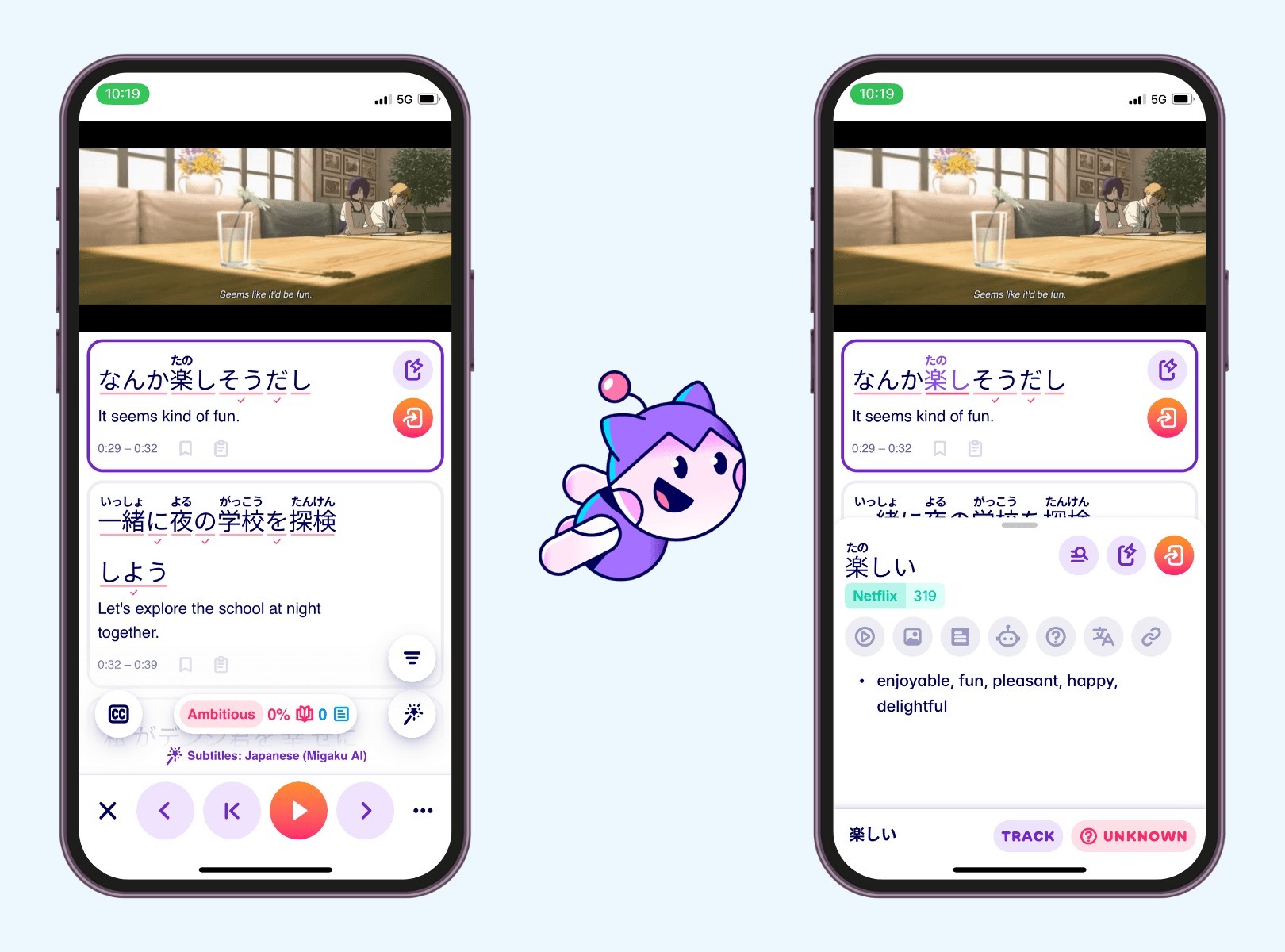
Anyway, if you want to practice using these phrases with real Japanese content, Migaku's tools let you look up words and save them instantly while watching shows or reading articles. Makes learning from context way more practical. There's a 10-day free trial if you want to check it out.
 ---
## Saying congratulations like a native
The key to congratulating someone in Japanese is matching your phrase to the situation. Start with omedetou gozaimasu as your default, then adjust based on formality and occasion. Pay attention to how Japanese speakers around you use these phrases, and you'll quickly develop a feel for what sounds natural. Or, you can also learn how to congratulate naturally from the Japanese media!
> If you consume media in Japanese, and you understand at least some of the messages and sentences within that media, you will make progress. _Period_.
Congratulations on learning some more about Japanese!
---
## Saying congratulations like a native
The key to congratulating someone in Japanese is matching your phrase to the situation. Start with omedetou gozaimasu as your default, then adjust based on formality and occasion. Pay attention to how Japanese speakers around you use these phrases, and you'll quickly develop a feel for what sounds natural. Or, you can also learn how to congratulate naturally from the Japanese media!
> If you consume media in Japanese, and you understand at least some of the messages and sentences within that media, you will make progress. _Period_.
Congratulations on learning some more about Japanese!