How Long Does It Take to Learn Japanese? (The Honest Answer)
Last updated: December 6, 2025
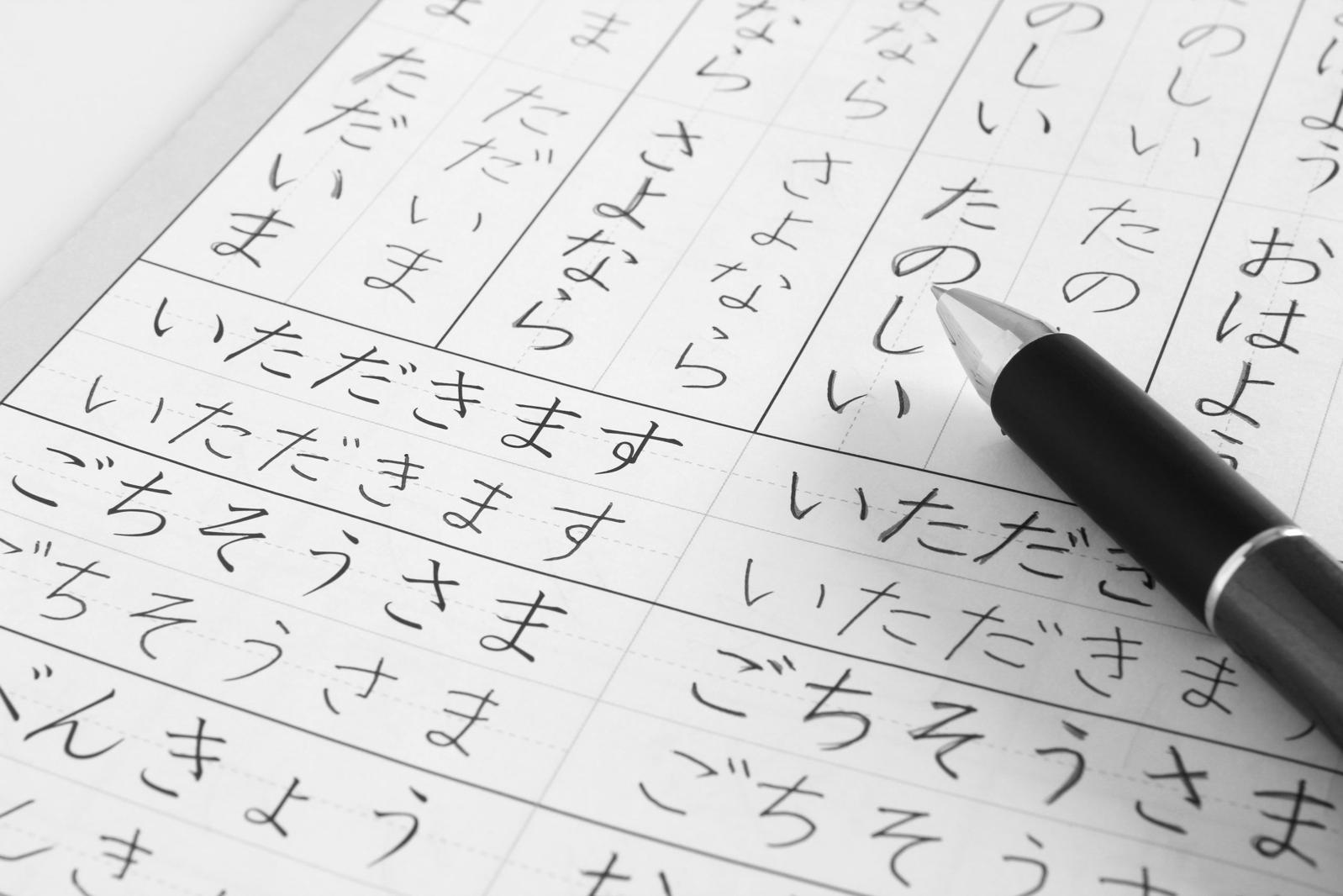
You want to know how long it'll take to learn Japanese. Makes sense. You're probably trying to figure out if you can actually commit to this thing, or if you're about to waste years of your life on a language you'll never really use.
Here's the thing: most articles will give you some vague timeline and pat you on the head. I'm not going to do that.
The real answer is complicated, but it's way more useful than the generic "it depends" you'll find everywhere else. So let's actually break this down.
What "Learning Japanese" Even Means
Before we talk timelines, we need to be honest about what you're asking. "Learning Japanese" could mean:
- Ordering ramen without pointing at pictures
- Understanding your favorite anime without subtitles
- Working in a Japanese company
- Reading novels by Murakami in the original Japanese
These are wildly different goals with wildly different timelines. The U.S. Foreign Service Institute—which trains diplomats who need to actually use languages for work—estimates 2,200 classroom hours to reach professional working proficiency in Japanese. That's roughly the ability to handle complex work conversations, read business documents, and navigate most situations you'd encounter living in Japan.
But here's what they don't tell you: that's 2,200 hours of structured classroom instruction by experienced language learners (diplomats who already speak other languages) plus another 3-4 hours of daily self-study. When you add it all up, you're looking at around 4,400 total hours.
That sounds insane. And it kind of is.
The JLPT Timeline (If You Want Actual Numbers)
The Japanese Language Proficiency Test gives us better benchmarks because it breaks things down into actual levels instead of vague "fluency" concepts.
JLPT N5 (Absolute Beginner):
- 300-600 hours of study
- You can introduce yourself, order food, read basic signs
- Maybe 3-6 months if you study 1-2 hours daily
JLPT N3 (Intermediate):
- 700-1,700 hours total
- You can have conversations, understand everyday content, get by in Japan
- About 1-2 years of consistent study
JLPT N2 (Advanced):
- 1,600-2,800 hours total
- You can work in a Japanese environment, understand news, read most things
- 2-4 years of dedicated study
JLPT N1 (Near-Native):
- 3,000-4,800 hours total
- You can handle academic content, complex literature, specialized vocabulary
- 3-5+ years, and you'll still be learning
Here's what actually matters about these numbers: the massive range. Why does N1 range from 3,000 to 4,800 hours? Because there's one factor that changes everything.
Kanji Knowledge Changes the Game Completely
If you already know Chinese or Korean, you've got a huge head start. The research shows that prior kanji knowledge can cut your study time by 30-50% at advanced levels.
Think about it: a Chinese speaker studying for JLPT N1 might need 1,700-2,600 hours. Someone starting from zero? 3,000-4,800 hours. That's almost double the time.
Even if you don't know Chinese, understanding how to learn kanji efficiently from the start will save you hundreds of hours later. Most people waste time treating kanji like random squiggles to memorize. They're not. They have components, patterns, and logic—and learning that system early pays off massively.
What Actually Accelerates Your Learning
After looking at all this research from language schools, government programs, and actual learners, here's what consistently shows up as making a real difference:
Consistency beats intensity every time. 30 minutes every single day will get you further than cramming 3 hours on weekends. Your brain needs regular exposure to lock things in, especially with something as different from English as Japanese.
Active practice matters way more than passive consumption. Watching anime with English subtitles? That's entertainment, not studying. You need to actually produce the language—speak it, write it, use it. This is where most people screw up. They spend months "studying" without ever actually trying to communicate.
Your goals completely determine your timeline. Want to learn Japanese for your next Tokyo trip? Three months of focused study on practical phrases will get you there. Want to work at a Japanese company? You're looking at 2-3 years minimum. Want to read literature or understand technical content? Plan on 3-5 years.
Here's something most resources won't tell you: the study method you use matters as much as the hours you put in. Spending 1,000 hours with a mediocre method will get you less far than 500 hours with an effective one.
Why Traditional Methods Take So Damn Long
The FSI numbers—2,200 hours in a classroom—reflect traditional classroom instruction. Grammar drills, vocabulary lists, textbook dialogues. It works, but it's not efficient.
Here's the problem: textbooks teach you Japanese that nobody actually uses. You memorize sentences like "This is a pen" while real Japanese people are out there saying things like "ちょっと待ってね" and "マジで?". The gap between textbook Japanese and real Japanese is enormous.
Most learners spend hundreds of hours on grammar explanations and isolated vocabulary before they ever engage with actual Japanese content. By the time they try to watch a show or read something real, they realize they've been learning a different language.
The research shows that learners need somewhere between 600-1,200 hours to reach intermediate conversational ability. But that assumes you're using methods that actually expose you to how Japanese is really used, not just how textbooks say it should be used.
How Immersion Learning Actually Works
Look, I'm not going to tell you to drop everything and move to Tokyo. That's not realistic for most people. But you do need to engage with authentic Japanese content way earlier than traditional methods suggest.
The most efficient learners are the ones who start consuming real Japanese—shows, YouTube, articles, whatever—within their first few months of study. Not understanding everything, just getting exposure while picking up words and grammar patterns in context.
This is exactly why we built Migaku the way we did. Instead of spending years on textbooks before you're "ready" for real content, you can start learning from Netflix shows, YouTube videos, or manga right away. The browser extension lets you look up any word instantly and automatically creates flashcards from what you're actually watching or reading.
That matters because you're not memorizing random vocabulary lists. You're learning words in context, the way they're actually used by native speakers. When you see "やばい" used in five different situations, you understand it in a way that no textbook explanation could teach you.
The mobile app means you can review your flashcards anywhere—on your commute, waiting in line, whenever. Those little moments add up. Fifteen minutes a day reviewing words you pulled from your favorite anime? That's 90+ hours a year of focused vocabulary practice on stuff you actually care about.
What You Can Realistically Expect
Be honest with yourself about how much time you can actually commit. If you can do an hour a day consistently, you're looking at:
- 6 months: Basic conversational ability. You can introduce yourself, talk about daily stuff, understand simple conversations.
- 1 year: Intermediate level. You can handle most everyday situations, understand a lot of what you hear, read basic content with help.
- 2 years: Advanced intermediate. You can work in Japanese (with some struggles), watch shows without subtitles (catching most of it), read news articles.
- 3+ years: Advanced. You can handle complex conversations, read books, understand specialized content.
Can you go faster? Yeah, if you put in more hours. Some people do 2-3 hours daily and hit intermediate in six months. But that's intense, and most people can't maintain that pace.
Can it take longer? Absolutely. If you study inconsistently, use inefficient methods, or don't actually practice producing the language, you might spend five years and still struggle with basic conversations.
The timeline isn't set in stone. What matters is consistent effort using methods that actually work.
If you're serious about actually learning Japanese—not just collecting textbooks and apps you'll never use—Migaku gives you a direct path from day one. Instead of spending months on grammar drills before you're "ready" for real content, you learn from the stuff you actually want to understand.
The browser extension works on Netflix, YouTube, news sites, basically anywhere you want to learn. Click a word, see the definition, add it to your deck. That sentence you just learned from your favorite anime? It's now in your flashcard reviews, with the audio, context, everything.
No switching between ten different apps. No wondering if you're "ready" for real Japanese yet. Just start with content you care about and build from there. There's a 10-day free trial if you want to see how it works.