Japanese Dating Vocabulary: Japanese Dating Words and Culture Explained
Last updated: March 23, 2026
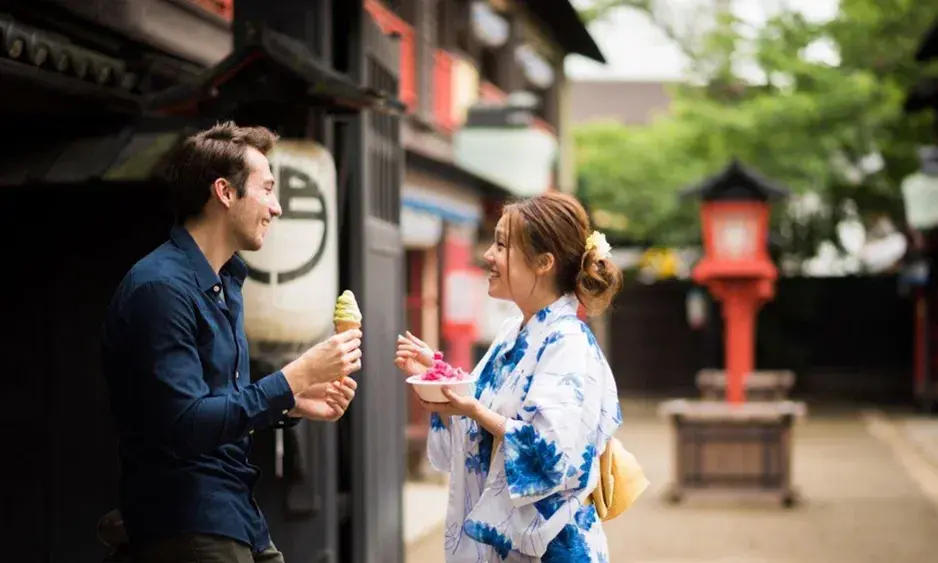
If you're learning Japanese and want to navigate the dating scene in Japan, you'll need more than just textbook phrases. The vocabulary around dating and relationships in Japanese has its own cultural nuances, from asking someone out to confessing your feelings. This guide covers the essential Japanese dating vocabulary you'll actually use, whether you're trying to ask someone on a date, compliment them, or understand what relationship terms really mean in Japanese culture.
- Understanding Japanese dating culture and vocabulary
- How to ask someone out in Japanese
- Confessing your feelings the Japanese way
- Japanese words for relationship status
- Advanced relationship vocabulary
- Romantic compliments and sweet phrases
- Date-related vocabulary and activities
- Understanding Japanese dating rules and customs
- Terms of endearment
- Where to study and practice Japanese dating vocabulary
Understanding Japanese dating culture and vocabulary
The Japanese language reflects how dating works in Japan, which can feel pretty different from Western dating culture. In Japan, there's a clear progression in relationships that the vocabulary reflects. You don't just casually date multiple people at once like you might in other countries.
When Japanese people talk about dating, they distinguish between casual hangouts and actual romantic interest. The word (deeto) is borrowed from English "date" and specifically means a romantic outing. If you're just hanging out as friends, you'd use different phrases entirely.
Here's the thing about Japanese dating vocabulary: it developed alongside modern dating culture in Japan, which really took off after World War II as Western influences grew. Before that, arranged marriages were the norm, so there wasn't much need for asking someone out or confessing feelings. The vocabulary evolved to blend traditional Japanese concepts of relationships with newer Western dating ideas.
How to ask someone out in Japanese
Asking someone out in Japanese requires different phrases depending on how direct you want to be. Japanese culture tends to favor indirect communication, especially in potentially awkward situations like asking someone on a date.
The most straightforward way is (deeto shite kuremasen ka), which means "Would you go on a date with me?" But honestly, this is pretty direct for Japan and might feel too forward in some situations.
More common phrases include:
- (kondo, gohan demo dou desu ka) translates to "How about getting a meal sometime?" The word means "next time" or "sometime soon," and adding makes it sound casual and less pressuring.
- (eiga ni ikimasen ka) means "Would you like to go to a movie?" This is a safe option because movies are a classic date activity, but can also work as a friend hangout.
- For something more casual, try (ocha shinai), which literally means "want to have tea?" but really means "want to grab a drink or coffee?" This phrase works great because it's low-pressure and can be just friendly or potentially romantic depending on context.
Confessing your feelings the Japanese way
In Japan, there's a specific cultural practice called (kokuhaku), which means "confession." This is when you formally tell someone you have romantic feelings for them. It's a pretty big deal in Japanese dating culture because it marks the official start of considering a relationship.
- The classic confession phrase is (suki desu), meaning "I like you." In a romantic context, this carries more weight than casual liking. You're essentially saying you have feelings for them.
- For a stronger confession, use (aishiteimasu), which means "I love you." But be careful with this one. Japanese people rarely say "I love you" compared to English speakers. It's reserved for really serious, committed relationships. Using it too early will definitely freak someone out.
- A softer approach is (anata no koto ga suki ni narimashita), meaning "I've come to like you." The phrase acknowledges that feelings developed over time, which feels less intense than a sudden declaration.
- If you want to ask someone to be your girlfriend or boyfriend, say (tsukiatte kudasai), which means "Please go out with me" or "Please be in a relationship with me." The verb (tsukiau) specifically means to date exclusively as a couple.
Japanese words for relationship status
Understanding relationship terms in Japanese helps you navigate conversations about dating and relationships. These words come up constantly in Japanese media, conversations with friends, and when discussing your own relationship status.
Japanese | English |
|---|---|
Boyfriend | |
Girlfriend | |
Lover or romantic partner | |
Officially dating | |
Couple | |
Fiancé / Fiancée | |
Husband | |
Wife |
Advanced relationship vocabulary
As relationships progress, you'll need vocabulary for more serious topics. These phrases come up when discussing future plans or relationship milestones.
Japanese | English |
|---|---|
To get married | |
Please marry me | |
Marriage proposal (from English "propose") | |
To live together / To cohabitate | |
Long-distance relationship (literally "far distance love") | |
To break up / To separate | |
To dump someone | |
To get dumped |
Romantic compliments and sweet phrases
Compliments in Japanese dating follow certain patterns. Japanese culture doesn't do over-the-top romantic declarations as commonly as Western culture, so the phrases tend to be more subtle and understated.
- (kawaii) means cute and works for complimenting appearance, style, or behavior. It's used way more frequently than "beautiful" in casual Japanese conversation.
- (kirei) means beautiful or pretty. This works for people, places, or things. It's a bit more mature than kawaii.
- (kakkoii) means cool or good-looking, typically used for guys. You might say (kakkoii ne) to compliment someone's style or appearance.
- For personality compliments, try (yasashii), which means kind or gentle. This is a huge compliment in Japanese culture because kindness is highly valued.
- (issho ni iru to tanoshii) means "It's fun being with you." This is a sweet way to express that you enjoy someone's company without being too intense.
- (aitai) means "I want to see you" or "I miss you." This phrase carries romantic weight when used with someone you're dating.
Date-related vocabulary and activities
Different types of dates have specific vocabulary in Japanese. Understanding these terms helps you plan dates and talk about your dating life.
Japanese | English |
|---|---|
First date | |
Group blind date | |
Formal arranged meeting for marriage purposes | |
Movie (popular date activity) | |
Karaoke (popular date activity) | |
Meal (popular date activity) | |
Walk (popular date activity) | |
Date spot — referring to popular romantic locations. |
Understanding Japanese dating rules and customs
You might hear about specific dating rules in Japan that affect how vocabulary gets used in real situations. These cultural practices shape when and how you use certain phrases.
The "3 date rule" in Japan isn't about physical intimacy like it might be in Western dating. Instead, it refers to the idea that by the third date, you should know if you want to pursue a serious relationship. After three dates, someone might do a (kokuhaku, confession) to make things official. If neither person has confessed by then, the relationship might fizzle out.
Japanese dating apps have their own vocabulary too. Apps like (Pairs) and (Tapple) are popular in Japan. The word (macchingu apuri) means matching app or dating app.
Terms of endearment
Japanese couples use different terms of endearment than you might expect. Overly sweet pet names aren't as common as in English, but they do exist.
Many couples simply call each other by first name, which itself is intimate in Japan since most people use last names in daily life. Using someone's first name shows closeness.
- literally means "you" but married women often use it to refer to their husbands, kind of like saying "dear" or "honey."
- (daarin) comes from English "darling" and gets used sometimes, though it can sound a bit cheesy or Western. Same with (hanii) from "honey."
Some couples add to the end of names as an affectionate diminutive. For example, Yuki might become Yuki-chan. The suffix works similarly for guys but sounds less cutesy.
Where to study and practice Japanese dating vocabulary
Learning these phrases from a list helps, but you need exposure to see how they're actually used in context.
- Japanese dramas, movies, and anime are goldmine resources for hearing dating vocabulary in natural situations. Romance dramas especially will give you tons of examples of confessions, date invitations, and relationship conversations. You'll hear the exact phrases people use and pick up on the emotional context and timing.
- Japanese romance manga also works great for visual learners. You can see the vocabulary written out and match it to romantic situations in the story panels.
- Language exchange apps let you practice with native speakers, though be careful about using dating vocabulary unless you're clear about your intentions. You don't want to accidentally confess feelings to your language partner when you're just trying to study.
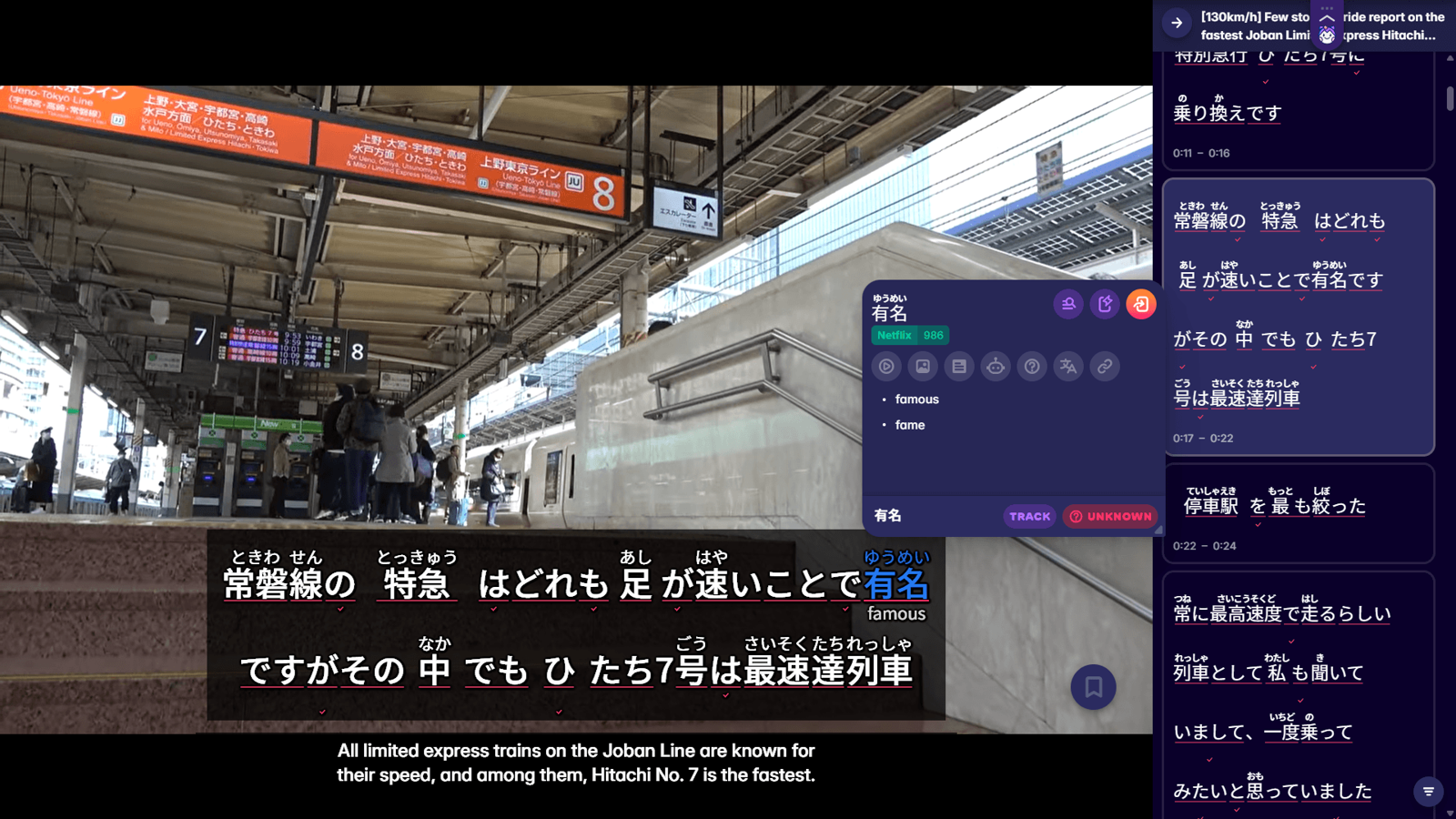
Anyway, if you want to see these phrases used in actual Japanese content, Migaku's browser extension and app let you look up vocabulary instantly while watching dramas or reading manga. You can save phrases you encounter to review later, which helps you remember them way better than just memorizing lists. There's a 10-day free trial if you want to check it out.
Using Japanese dating words naturally takes practice and cultural awareness
Japanese communication relies heavily on context and reading between the lines, especially in romantic situations. The phrases I've included here work in most situations, but you'll adjust based on your specific relationship. To learn more about the context and nuances, you can watch Japanese romantic dramas or dating reality shows. In comparison, reality shows are better because they use words that are less dramatic and more natural in daily life.
If you consume media in Japanese, and you understand at least some of the messages and sentences within that media, you will make progress. Period.
Even if you make mistakes, the fact that you're trying shows respect for the culture.