# Japanese Texting Slang: Terms and Expressions Used by Japanese Speakers
> Understand Japanese texting slang, abbreviations, and internet slang like wwww, おつ, and WKTK. Learn how Japanese people text in 2026.
**URL:** https://migaku.com/blog/japanese/japanese-texting-slang
**Last Updated:** 2026-03-26
**Tags:** vocabulary, phrases
---
If you've ever texted with Japanese people or scrolled through Japanese Twitter, you've probably seen stuff like "wwww" or "おk" and wondered what the hell is going on. Japanese texting slang is its own weird universe where [kanji](https://migaku.com/blog/japanese/kanji-onyomi-vs-kunyomi) get shortened, English gets mixed in randomly, and people create entire emotional expressions using just punctuation marks. And textbooks do not cover these expressions for [Japanese learners](https://migaku.com/learn-japanese)! Here's everything you need to know about how Japanese people text in 2026.
----
## Understanding Japanese internet slang basics
Japanese internet slangs developed differently than English texting shortcuts. While English speakers shortened "you" to "u" to save keystrokes, Japanese slang evolved from a mix of abbreviations, wordplay, and the unique challenges of typing in Japanese on phones and computers.
The Japanese language already uses three writing systems ([hiragana](https://migaku.com/blog/japanese/the-japanese-language-hiragana), katakana, and kanji), so texters got creative about which system to use for maximum speed and impact. Sometimes they'll write everything in hiragana to type faster. Other times they'll use katakana for emphasis. And yeah, they'll throw random English letters in there too.
What makes Japanese text slang really interesting is how much of it came from 2channel (now 5channel), Japan's massive anonymous message board. A ton of slang terms that Japanese people use daily in texts originated from internet culture rather than spoken language. These terms spread to Twitter, LINE, Discord, and pretty much every messaging platform Japanese people use.
----
## Common Japanese texting abbreviations
Let's start with the slang you'll encounter most often. These are the bread and butter of Japanese texting.
- The most famous one is **"w"** or **"wwww"** which means laughter. It comes from (warai), meaning "laugh." Japanese people just started typing "w" instead of the full word, and multiple w's indicate harder laughing. You'll see "wwwwww" all the time. Some people even write "" (kusa), which literally means "grass," because a bunch of w's lined up looks like blades of grass. Pretty creative, right?
- **"おk"** or **"OK"** is exactly what you think. Japanese people use the English "OK" but often write it in hiragana as "おk" or "おけ" (oke). You'll see this abbreviation constantly in casual texts.
- **"あり"** (ari) is short for (arigatou), meaning "thanks." Super common in quick exchanges where you don't need the full thank you.
- **"おつ"** (otsu) comes from (otsukaresama), which roughly means "good work" or "thanks for your effort." The character (otsu) is often used instead because it's faster to type. You'll see this slang word when someone finishes streaming, logs off a game, or wraps up any activity.
- **"りょ"** (ryo) is short for (ryoukai), meaning "understood" or "got it." Even shorter than "OK" somehow.
- **"それな"** (sorena) translates roughly to "that's so true" or "exactly." This slang term exploded in popularity, and you'll see it in replies all the time.
- **"やば"** (yaba) comes from (yabai), which originally meant "dangerous" but now means anything from "awesome" to "terrible" depending on context. The abbreviation is often used in quick reactions.
----
## Internet slang words from gaming and online culture
Gaming and anime communities created their own ecosystem of Japanese internet slang that spread into mainstream texting.
- **"ggwp"** gets used by Japanese gamers just like English speakers use it (good game, well played).
- **"ggrks"** stands for "Google it, dumbass" (more politely: , gugure kasu). Pretty harsh but you'll see it when someone asks an obvious question.
- **"WKTK"** means excited or anticipating something. It comes from (wakuwaku tekateka), combining the excitement sound "wakuwaku" with "tekateka" (sparkling). This slang is often used when waiting for game releases or anime episodes.
- **"ktkr"** stands for (kita kore), meaning "it's here!" or "yes, this is it!" You'll see this Japanese slang when something anticipated finally happens.
- **"kwsk"** means "details please" and comes from (kuwashiku). People use this when they want more information about something juicy.
----
## Kaomoji and emotional expressions used by Japanese speakers
Japanese people pioneered the horizontal emoticon game way before emoji existed. These are called kaomoji (, face characters).
- The basic **happy** face is "(^_^)" or "(*^_^*)" with variations like "(´▽`)" or "(๑˃̵ᴗ˂̵)". Unlike Western emoticons that you read sideways :), Japanese kaomoji are read straight on.
- **Sadness or crying** gets expressed as "(;_;)" or "(T_T)" or "(´;ω;`)". The Japanese text slang for crying often uses these elaborate kaomoji instead of just typing "sad."
- Table flip "(╯°□°)╯︵ ┻━┻" became famous worldwide but originated from Japanese internet culture. Shows **frustration** or **giving up**.
- **Shrug** "¯\_(ツ)_/¯" uses the katakana "ツ" (tsu) for the face. This one crossed over into English internet culture.
- Sparkly eyes "✨(ᵔᴥᵔ)✨" or similar variations show **excitement** or **cuteness**. Japanese texters love adding these to express enthusiasm.
The thing about kaomoji is that Japanese people use them way more frequently than English speakers use emoticons. You'll see multiple kaomoji in a single conversation, and people have favorites they use consistently.
----
## Popular Japanese internet slang terms from social media and messaging apps
LINE, Twitter (still called that by most Japanese people despite the rebrand), and Discord each developed their own slang ecosystems.
- **""** (zuttomo) combines "ずっと" (zutto, meaning "forever") with (tomodachi, meaning "friend"). It means "best friends forever" and got popular on social media around 2018, though it's used less frequently now in 2026.
- **""** (toutoi) literally means "precious" or "noble" but in internet slang it expresses overwhelming love for something, especially in anime and idol fandoms. You'll see this Japanese phrase when fans are gushing about their favorite characters.
- **""** (daretoku) means "who benefits from this?" or "who asked for this?" Used sarcastically when something weird or unwanted happens.
- **""** (tsunda) comes from shogi/chess terminology meaning "checkmate" but in slang means "I'm screwed" or "it's hopeless." You'll see this slang word when someone's in a bad situation.
- **"エモい"** (emoi) comes from "emotional" and describes something that hits you in the feels. This became super popular in 2020 and is still often used in 2026.
----
## Abbreviations using kanji and wordplay
Japanese slang gets really creative with kanji readings and meanings. These require some Japanese language knowledge to fully appreciate.
- **"KY"** stands for (kuuki yomenai), literally "can't read the air/atmosphere." It describes someone socially clueless. This abbreviation uses the romaji initials of the Japanese words.
- **"DQN"** (pronounced "dokyun") refers to delinquents or idiots. The origin is debated, but it's widely used across Japanese internet slang.
- **"JK"** means (joshi kousei), or high school girl. Similarly, "JC" is junior high school girl and "JS" is elementary school girl. These abbreviations show up in discussions about anime and manga demographics.
- "" (riajuu) combines "real" with (juujitsu, fulfillment), describing people who have successful real lives (relationships, social life, etc.). Often used enviously by people who spend too much time online.
----
## Pop culture and anime-related slang
Anime and manga created a whole category of Japanese slang that crossed into everyday texting.
- "" (oshi) means your favorite character, idol, or person you support. Originally from idol culture, but now used for everything. "My oshi" is common even in English anime fan conversations.
- "" (numa) literally means "swamp" but in slang means falling deep into a fandom or obsession. "I fell into the swamp" means you got addicted to something.
- "" (kami) means "god" and gets used to describe anything amazing. "" (kamikai) means an incredible episode of anime.
- "" (haken) means "supremacy" or "domination." Used to describe the most popular anime of a season.
- "" (bakushi) literally means "explosive death" but in gaming/gacha contexts means spending tons of money and getting nothing good. You'll see this Japanese text frequently in discussions about mobile games.
----
## How to learn Japanese slang
Reading explanations is one thing, but you need to see these terms in context to really understand them. The best way to [learn Japanese](https://migaku.com/blog/japanese/how-to-learn-japanese-vocabulary) internet slang is through immersion in actual Japanese social media, gaming communities, and messaging.
1. Follow Japanese Twitter accounts in topics you're interested in. Gaming, anime, food, whatever. You'll see slang used naturally and can pick up on context clues.
2. Join Japanese Discord servers for games or hobbies. Real-time chat is where you'll see the most casual slang usage. People use abbreviations and slang constantly in fast-moving conversations.
3. Watch Japanese streamers on YouTube or Twitch. The chat is a goldmine of current slang, and you'll see which terms are actually popular versus outdated.
One important thing: some slang is gender-coded or age-specific. Pay attention to who uses what terms. A 40-year-old using teenage girl slang would sound as weird in Japanese as it does in English.
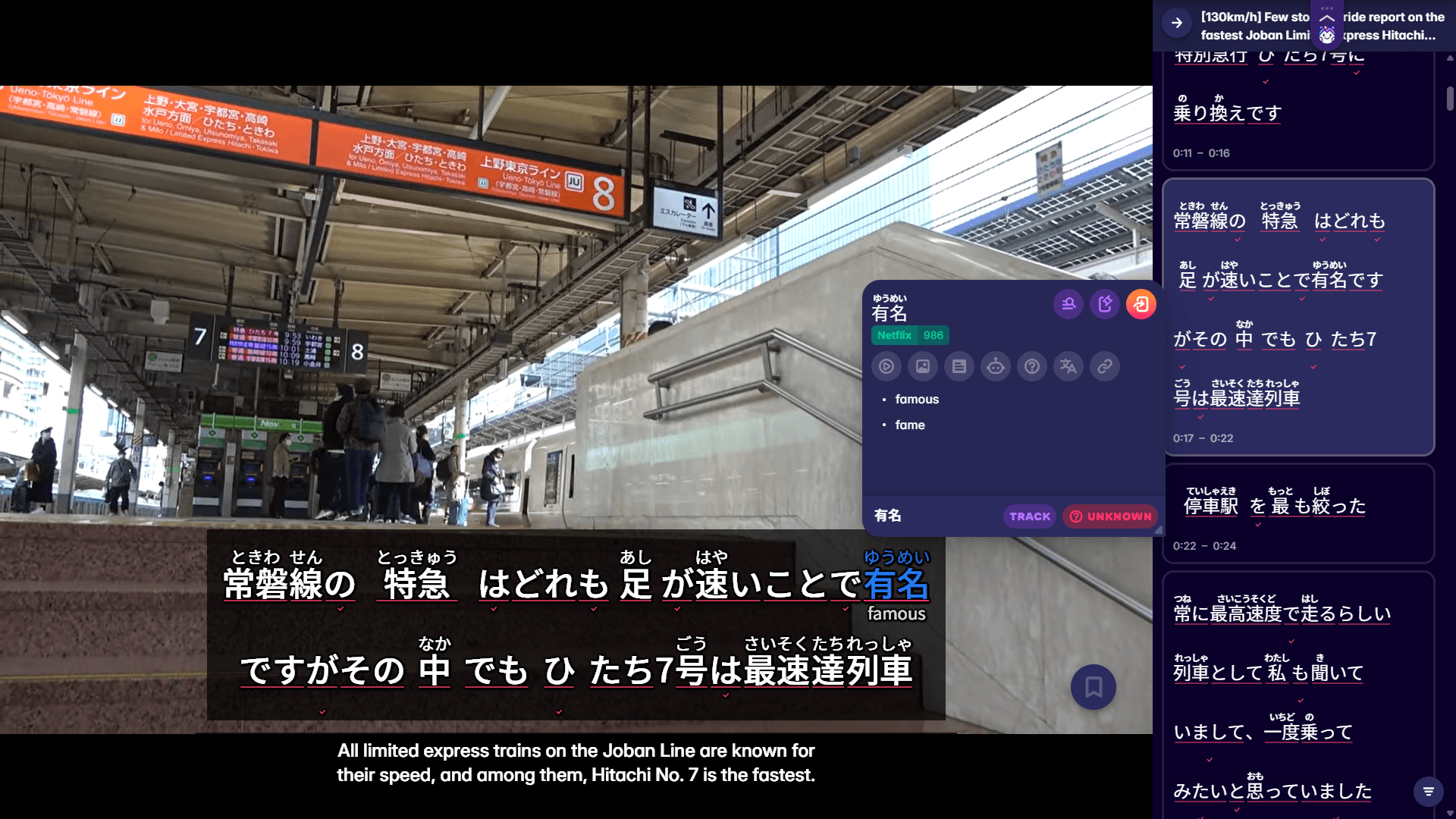
Anyway, if you want to practice reading with Japanese internet slang terms in context, Migaku's browser extension and app let you look up words instantly while browsing Japanese Twitter or reading forums. Makes learning from real content way more practical. There's a 10-day free trial if you want to check it out.
 ----
## How do you start to use Japanese internet slang terms?
Try texting Japanese friends using appropriate slang terms. [Language exchange partners](https://migaku.com/blog/japanese/best-japanese-learning-apps) are usually happy to correct your usage and explain nuances. When you feel unsure about any Japanese slang words, check it out on the internet. Observe more of how people use it on social media, before you start to use it in your own chats. This method combines input with output, and can accelerate your learning!
> If you consume media in Japanese, and you understand at least some of the messages and sentences within that media, you will make progress. _Period_.
Enjoy real content you care about.
----
## How do you start to use Japanese internet slang terms?
Try texting Japanese friends using appropriate slang terms. [Language exchange partners](https://migaku.com/blog/japanese/best-japanese-learning-apps) are usually happy to correct your usage and explain nuances. When you feel unsure about any Japanese slang words, check it out on the internet. Observe more of how people use it on social media, before you start to use it in your own chats. This method combines input with output, and can accelerate your learning!
> If you consume media in Japanese, and you understand at least some of the messages and sentences within that media, you will make progress. _Period_.
Enjoy real content you care about.