# Complete Guide to the 2,136 Joyo Kanji for Japanese Learners: You Should Know These 常用漢字
> Here's everything about the 2,136 joyo kanji: grade-by-grade lists, readings, stroke counts, and practical study strategies for mastering essential Japanese characters.
**URL:** https://migaku.com/blog/japanese/joyo-kanji-complete-guide
**Last Updated:** 2025-12-28
**Tags:** fundamentals, vocabulary, pronunciation, grammar
---
Pretty quickly, as you [learn Japanese](https://migaku.com/learn-japanese), you'll come across the term "joyo kanji" (常用漢字), which literally means "regular use Chinese characters." Here's the thing: this list of 2,136 characters forms the backbone of literacy in Japan. Road signs, official documents, newspapers, and textbooks primarily use these characters. Learning all 2,136 might sound intimidating, but Japanese kids do it over 12 years of schooling, and plenty of learners tackle them faster with focused study. Let's strategize your move!
---
## What are joyo kanji?
The Japanese government first established an official kanji list in 1946 with 1,850 characters, then revised it to 1,945 characters in 1981. The most recent major update happened in 2010, bringing the total to 2,136. These additions reflected changes in how Japanese people actually write, including kanji for words like "depression" (鬱) that had become more common in modern discourse.
The 2010 update added 196 kanji and removed 5, reflecting how Japanese writing had evolved since 1981. Some notable additions include:
- (Depression): Recognized the increased discussion of mental health
- (Gamble): Acknowledged common usage despite previous unofficial status
- (Hill): A common element in place names and surnames
- (Masculine): Reflected actual spoken Japanese, though it remains informal
The 5 removed kanji were (A unit of measure), (Spindle), (Pig iron), (Swell), and (A unit of weight). These had become rare enough in modern usage that the government decided they didn't need to be in the core literacy set.
Each joyo kanji comes with approved readings in both , the Chinese-derived pronunciation, and , the native Japanese reading. The government also specifies acceptable uses for each character, though these guidelines are more like strong suggestions than strict rules. You'll definitely encounter kanji outside this list in names, specialized texts, and creative writing, but the joyo set covers roughly 96% of kanji you'll see in everyday reading.
The term "joyo" distinguishes these from , an additional list of characters approved specifically for use in personal names. Can joyo kanji be used in names? Absolutely. In fact, most name kanji come from the joyo list, but parents can also choose from the separate jinmei list if they want something less common.
---
## The grade-by-grade breakdown of jōyō kanji list
Japanese schools teach joyo kanji systematically across 12 years, divided into specific grade levels. This progression moves from simple, frequently-used characters to more complex ones.
**Kyoiku Kanji: Elementary School (Grades 1-6)**: The first 1,026 kanji are called , meaning "education kanji." These are divided by grade:
1. **Grade 1 (80 kanji):** The absolute basics. Characters like (One), (Person), (Sun/Day), and (Moon/Month). Most have simple stroke counts and represent concrete concepts kids already understand.
2. **Grade 2 (160 kanji):** Still pretty straightforward. You get characters like (Eat), (Speak/Story), and (Time). The meanings stay practical, focused on everyday life.
3. **Grade 3 (200 kanji):** Things get more abstract. Characters like (Street) and (Heavy) appear here. Stroke counts increase, and you start seeing more kanji used mainly for their onyomi readings.
4. **Grade 4 (202 kanji):** Academic vocabulary kicks in. You learn kanji like (Example), (Add), and (Seed/Kind). Many of these show up in compound words rather than standing alone.
5. **Grade 5 (193 kanji):** More specialized concepts emerge. Characters like (Trade), (Till/Plow), and (Exploits) appear. You need these for reading grade-level textbooks across different subjects.
6. **Grade 6 (191 kanji):** The final elementary push includes kanji like (Grain), (Milk), and (Treasure). By finishing sixth grade, Japanese students know 1,026 kanji.
**Junior High School (Grades 7-9)**: The remaining 1,110 joyo kanji get taught during the three years of junior high school. There's no official grade-by-grade breakdown for these, but textbooks and schools distribute them across the three years. These include more complex characters like (Melancholy), (Jade disk), and (Depression). The stroke counts jump significantly, and many of these kanji appear mainly in formal or specialized contexts.
---
## Understanding kanji readings: Onyomi and kunyomi
Every joyo kanji has at least one approved reading, and most have several. This is where Japanese gets tricky, and honestly, there's no magic shortcut. You just have to memorize which reading applies in which context.
1. **Onyomi (Chinese Readings):** These came to Japan along with the kanji themselves, borrowed from Chinese pronunciation. They usually appear in compound words with other kanji. For example, has the onyomi "san" in words like (Volcano) and (Mountain climbing). Onyomi readings are typically written in katakana when listed separately.
2. **Kunyomi (Japanese Readings):** These are native Japanese words that got matched to kanji based on meaning. The same character has the kunyomi "yama" when it stands alone or in Japanese-origin words like (Mountain climbing). Kunyomi readings are written in hiragana when listed.
Some kanji have multiple onyomi or kunyomi readings. The character , for instance, has onyomi readings "sei" and "sho," plus kunyomi readings including いきる (To live), うむ (To give birth), はえる (To grow), and なま (Raw). Yeah, it's a lot. Context tells you which reading to use, and you pick this up through exposure more than rules.
---
## Stroke count and writing order of joyo kanji
Each kanji has a specific stroke count and a standard stroke order. The stroke count matters for looking up kanji in traditional dictionaries and for understanding character complexity. Joyo kanji range from 1 stroke (, one) to 29 strokes (, depression, which is genuinely the hardest kanji in the joyo set to write).
Getting the stroke order right makes your handwriting more legible and helps the character "flow" when you write it. Plus, if you ever need to look up an unfamiliar kanji by radical or stroke count, knowing proper stroke order helps you count accurately.
Most learning resources, such as [Kanshudo](https://www.kanshudo.com/), include stroke order diagrams. You don't necessarily need to obsess over perfect stroke order when you're starting out, but learning it correctly from the beginning saves you from developing bad habits.
> Stroke order follows consistent principles: generally top to bottom, left to right, horizontal before vertical when they cross, and outside before inside for enclosures.
---
## It'd be best to learn the list of characters by frequency as an adult learner
While the grade-level system works great for Japanese students, many adult learners prefer studying kanji by frequency of use. The most common kanji appear constantly in Japanese text, so learning them first gives you the biggest reading comprehension boost.
Frequency lists rank kanji by how often they appear in newspapers, books, and other written materials. The top 500 kanji cover a huge percentage of everyday text. Characters like (Sun/Day), (One), (Country), and (Person) appear everywhere.
By the time you know the top 1,000 most frequent kanji, you can recognize the majority of kanji in most general texts. The remaining 1,136 joyo kanji include many that you'll see occasionally but don't carry the same immediate payoff. That said, you'll eventually want to learn all 2,136 if you're aiming for full literacy.
---
## Is joyo kanji enough?
This question pops up constantly on Reddit and language learning forums. The honest answer? It depends on your goals.
For everyday life in Japan, reading newspapers, handling paperwork, and watching TV with subtitles, the joyo kanji will get you about 95% of the way there. You'll encounter other kanji in names (both personal and place names), specialized technical texts, and older literature, but you can usually figure these out from context or look them up as needed.
If you're reading novels, manga, or specialized materials, you'll definitely see non-joyo kanji. Many authors use , characters outside the official list, for stylistic reasons or precision. Historical texts and classical literature use plenty of characters that didn't make the modern list.
For most learners, mastering the 2,136 joyo kanji represents a solid endpoint for kanji study. You can always learn additional characters as you need them for specific interests. Trying to learn every possible kanji before you start reading real Japanese is a recipe for never actually reading Japanese.
---
## Study resources and approaches with external links
Learning 2,136 kanji takes time. Japanese students spread it across 12 years. Adult learners often complete the set in 1-3 years with dedicated study, though your mileage will vary based on how much time you invest.
**Textbook Series:** Books like ["Remembering the Kanji" by James Heisig](https://www.google.com/aclk?sa=L&ai=DChsSEwiatPnYxuaRAxWVolAGHTaJN9MYACICCAEQBxoCZGc&co=1&ase=2&gclid=CjwKCAiAjc7KBhBvEiwAE2BDOR4Q0msJ7xCsehbz8irH4D_PosGJoFoH914O-sFSOIjmHLDIdNgKNBoC8VkQAvD_BwE&cce=2&category=acrcp_v1_33&sig=AOD64_2Vlo7D3kpjBedVRQHeUh9L6wR7Vw&ctype=5&q=&nis=4&ved=2ahUKEwib1vHYxuaRAxXqWUEAHdS5FrYQ9aACKAB6BAgFEBE&adurl=) use mnemonic techniques to teach kanji meanings and writing. ["Kanji in Context"](https://shop.jpbooks.co.uk/kanji-in-context-workbook-1-revised-edition.html) teaches them through vocabulary and reading passages. ["Kodansha Kanji Learner's Course"](https://www.amazon.co.uk/Kodansha-Kanji-Learners-Course-Step/dp/1568365268) organizes them by visual similarity and component radicals.
**Digital Resources:** Websites like [Jisho.org](https://jisho.org/) provide searchable kanji dictionaries with stroke order animations, example words, and readings. [WaniKani](https://www.wanikani.com/) uses spaced repetition and mnemonics to teach kanji and vocabulary together. Apps like [Anki](https://apps.ankiweb.net/) let you create or download flashcard decks organized by joyo grade level or frequency.
**Mnemonic Techniques:** Creating memorable stories or images for each kanji helps with retention. For instance, remembering (Rest) as a person (亻) leaning against a tree (木) to rest. Some learners love mnemonics, others find them more trouble than they're worth. Try them and see what sticks for you.
**Reading Practice:** Ultimately, you learn kanji by reading Japanese. Textbooks and flashcards build recognition, but seeing kanji in actual sentences, stories, and articles cements them in your memory. Start reading simple material as early as possible, even if you need to look up tons of kanji at first.
---
## Common challenges to face when learning kanji
Learning joyo kanji is genuinely hard work. You'll mix up similar-looking characters. You'll forget readings you swore you'd memorized. You'll encounter the same kanji 50 times and still blank on its meaning. This is completely normal.
The kanji that trip people up most often are the ones that look nearly identical, like (Not yet) and (End), or (Self), (Stop), and (The snake zodiac sign). You'll develop strategies for distinguishing these, whether through stroke count, mnemonics, or just raw repetition.
Some kanji have meanings that don't translate neatly into English, which makes them harder to remember. Characters representing traditional Japanese concepts, units of measurement, or subtle distinctions in verbs can feel slippery at first. Give yourself permission to struggle with these and come back to them multiple times.
The readings system frustrates everyone. There's no way around it: you have to memorize which reading applies where. Learning vocabulary alongside kanji helps because you see the readings in context rather than as abstract possibilities.
---
## What to do next after conquering joyo kanji
Once you've conquered the joyo kanji, you might wonder what comes next. The jinmei kanji list adds 863 more characters approved for names. Some learners continue with these, especially if they're interested in Japanese history or literature where name kanji appear frequently.
Hyogai kanji (characters outside both lists) number in the thousands. Classical Chinese texts, historical documents, and specialized fields use many of these. Most learners only pick up hyogai kanji as needed for specific interests rather than studying them systematically.
The reality is that 2,136 kanji represents a genuinely impressive achievement. Reaching that point means you can engage with Japanese media, literature, and communication at a high level. You'll still encounter unfamiliar kanji, but you'll have developed the skills to look them up efficiently and remember them if they matter for your purposes.
---
## Making it practical by learning with context
The best way to learn joyo kanji? Combine systematic study with massive reading practice. Use whatever organizational system appeals to you (grade level, frequency, textbook order) to work through the full list methodically. At the same time, read Japanese content that interests you, looking up kanji as you go.
This dual approach means you're building comprehensive coverage while also reinforcing the most useful kanji through repeated exposure. The kanji you see constantly in your reading will stick automatically. The rarer ones need deliberate review to maintain.
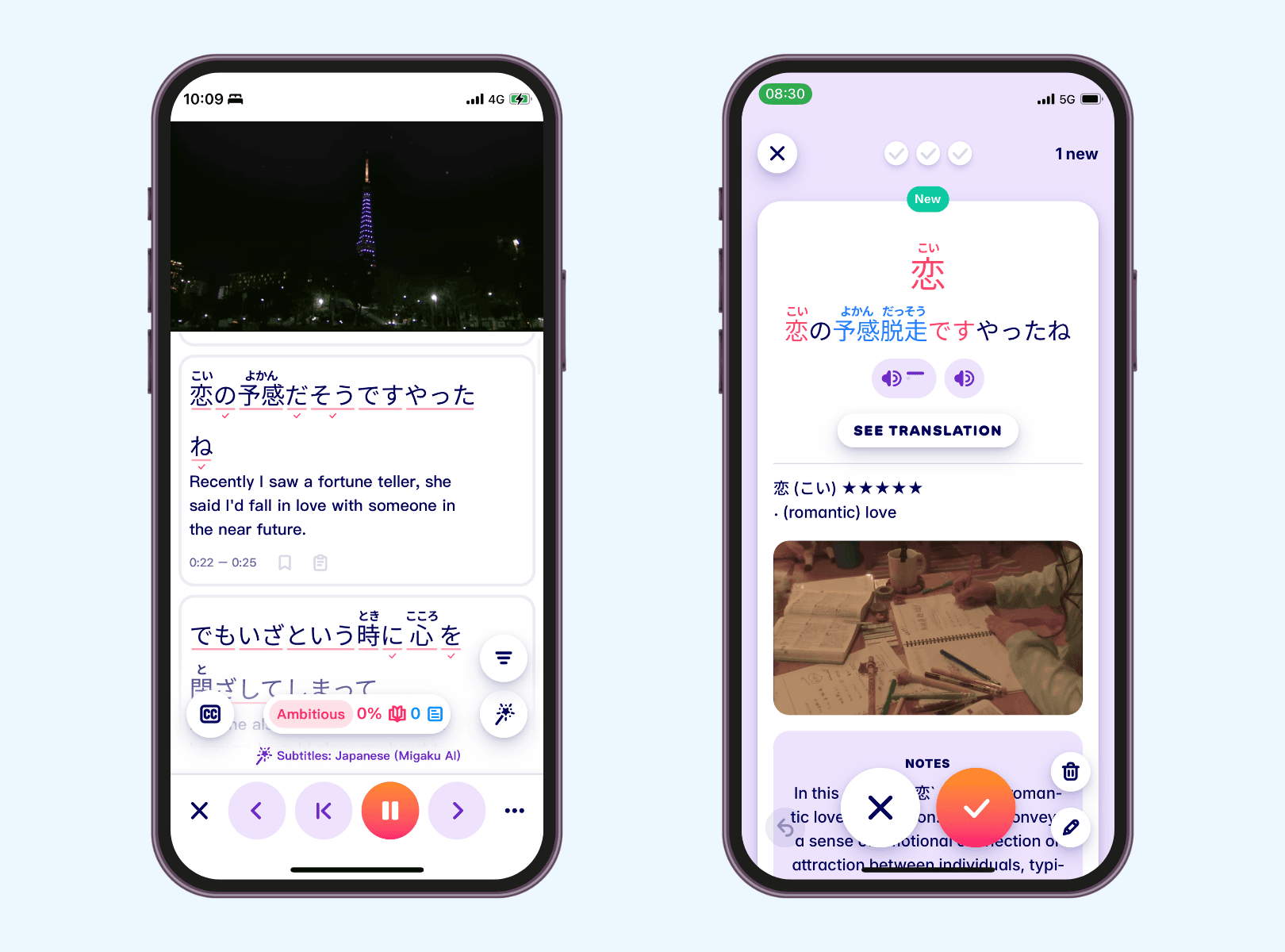
Anyway, if you want to actually practice reading Japanese with real content while building your kanji knowledge, Migaku's browser extension and app let you look up kanji and words instantly while watching Japanese shows or reading articles. The popup dictionary shows you readings, meanings, and lets you save words for review. There's a 10-day free trial if you want to make your kanji learning more practical and way less tedious.
 ---
## Set realistic goals and keep going!
Set realistic goals. Maybe you aim for the first 1,000 kanji in your first year, then the remaining 1,136 in year two. Or you follow the elementary school progression, learning 80-200 kanji every few months. Consistency beats intensity. Studying 30 minutes daily works better than cramming for hours once a week.
Track your progress somehow, whether through a spreadsheet, an app, or checking off kanji in a physical list. Seeing how far you've come provides motivation when you're in the middle of the grind, and it feels endless. Additionally, consuming media can also make the dreary process more entertaining and enjoyable!
> If you consume media in Japanese, and you understand at least some of the messages and sentences within that media, you will make progress. _Period_.
It always seems impossible until it's done!
---
## Set realistic goals and keep going!
Set realistic goals. Maybe you aim for the first 1,000 kanji in your first year, then the remaining 1,136 in year two. Or you follow the elementary school progression, learning 80-200 kanji every few months. Consistency beats intensity. Studying 30 minutes daily works better than cramming for hours once a week.
Track your progress somehow, whether through a spreadsheet, an app, or checking off kanji in a physical list. Seeing how far you've come provides motivation when you're in the middle of the grind, and it feels endless. Additionally, consuming media can also make the dreary process more entertaining and enjoyable!
> If you consume media in Japanese, and you understand at least some of the messages and sentences within that media, you will make progress. _Period_.
It always seems impossible until it's done!