Cost of Living: Sydney vs Melbourne vs Brisbane (2026)
Last updated: May 29, 2026
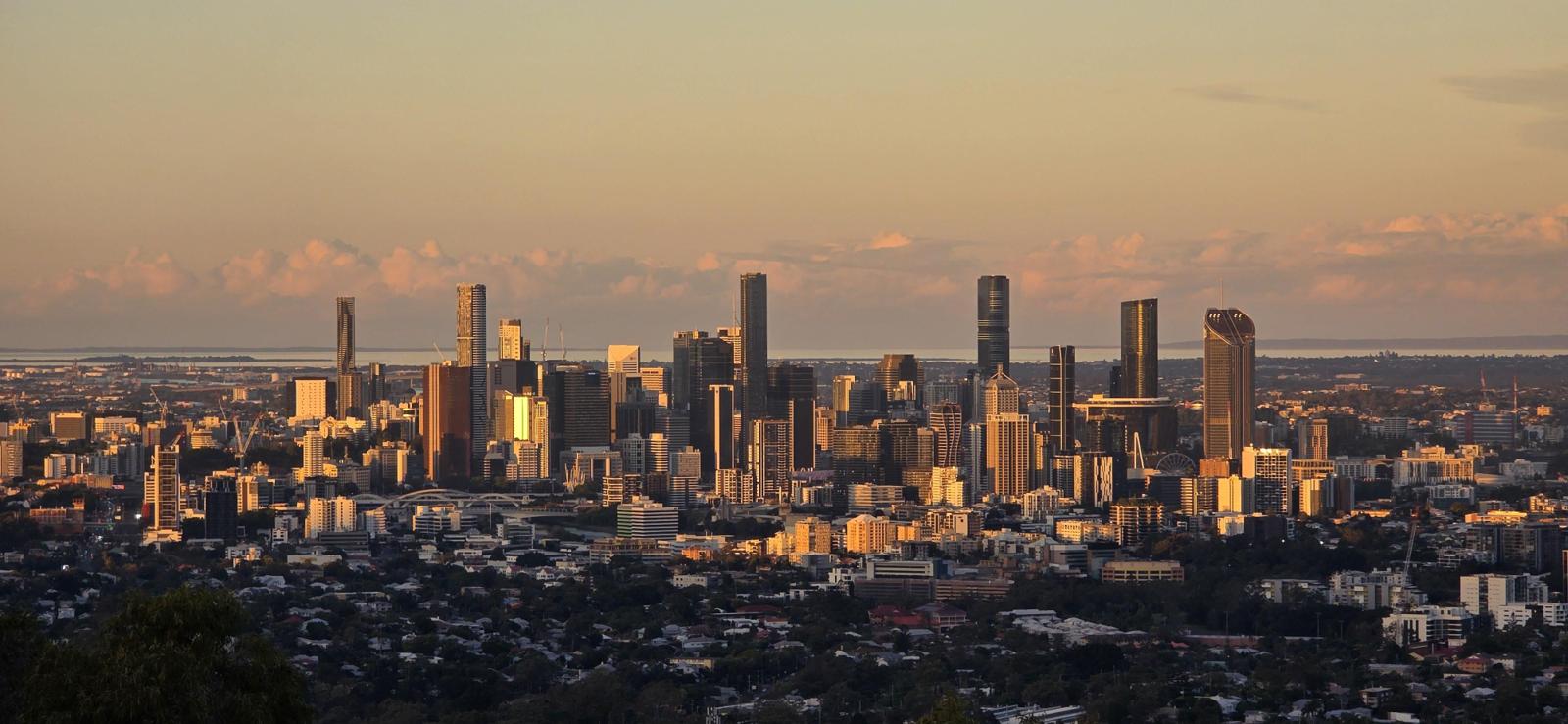
If you're weighing a move to Australia's three biggest east coast cities, the short answer is this: Sydney is still the most expensive on almost every line item, Melbourne is the cheapest for housing, and Brisbane sits in the middle but is closing the gap fast on property prices. The detail is where it gets interesting, and where newcomers usually get caught out.
Last updated: May 29, 2026
The headline numbers at a glance
Before digging into each cost category, here is how the three cities compare on the metrics most newcomers care about, using the latest Domain Q1 2026 Rental Report and Cotality's February 2026 Home Value Index.
Metric (2026) | Sydney | Melbourne | Brisbane |
|---|---|---|---|
Median house rent (weekly) | $800 | $590 | $680 |
Median unit rent (weekly) | $750 | $600 | $660 |
Rental vacancy rate (March 2026) | 0.8% | 1.0% | 0.6% |
Median dwelling value | $1,296,039 | $826,132 | $1,080,538 |
Median house value | $1,607,046 | $977,579 | $1,175,981 |
Median unit value | $903,080 | $642,431 | $844,844 |
Annual dwelling price growth | 6.0% | 4.7% | 17.3% |
A few things jump out. Sydney's house rents are $210 a week higher than Melbourne's, which works out to roughly $10,920 more per year for the same kind of property. Brisbane has overtaken Melbourne on dwelling values and is now the second-most-expensive capital after Sydney, and its 17.3% annual growth is by far the strongest of the three. Melbourne is the value play on housing, but its unit rents climbed 4.3% in a single quarter to a record $600 per week, so that gap is narrowing.
Renting: what you'll actually pay and where
Headline medians hide huge variation by suburb. Domain's Renting in 2026 report calculated the household income needed to rent comfortably (i.e. spending no more than 30% of gross income) in different postcodes. The spread is staggering.
- Sydney: from $511,333 a year to live in Vaucluse down to $84,933 in Willmot.
- Melbourne: from $225,333 in Toorak down to $69,333 in Melton.
- Brisbane: from $190,667 in Ascot down to $76,267 in Russell Island.
In other words, even Brisbane's most expensive suburb requires less income than Melbourne's, and Melbourne's priciest postcode requires less than half what Vaucluse demands. For newcomers, the practical takeaway is to look one or two train stops past the suburbs you've heard of. In Sydney, that might mean Marrickville instead of Newtown, or Parramatta instead of the lower north shore. In Melbourne, Footscray and Brunswick West offer the inner-city lifestyle without Carlton prices. In Brisbane, areas like Annerley, Stafford, or Wynnum give you proximity without the New Farm premium.
Vacancy rates matter as much as price. Brisbane's 0.6% vacancy rate in March 2026 is the tightest of the three cities and means you'll be competing hard at inspections. Sydney is only fractionally better at 0.8%. Melbourne's 1.0% is still very tight by historical standards but is the most forgiving of the three. Expect to apply on the spot, have rental references ready in PDF form, and offer 4 to 6 weeks' bond plus 2 weeks' rent in advance.
Rent as a share of income tells the same story from another angle. Renting the median dwelling in Sydney consumes about 33.7% of a typical gross household income (35.2% for houses, 31.5% for units). Melbourne sits at 28.1% (29.2% houses, 26.9% units). Above 30% is the conventional threshold for housing stress, so Sydney crosses it on average while Melbourne doesn't.
Buying: stamp duty and grants change the math
If you're planning to buy rather than rent, the three states have very different settings for first home buyers in 2026.
New South Wales: First home buyers pay $0 stamp duty on properties up to $800,000, with a concessional rate sliding from $800,001 to $1,000,000. A $10,000 First Home Owner Grant applies to new homes up to $750,000. The premium duty threshold for high-value purchases is $3,721,000 from 1 July 2025 to 30 June 2026, and the foreign purchaser surcharge sits at 9% from 1 January 2025.
Victoria: First home buyers pay $0 stamp duty up to $600,000, with a sliding concession up to $750,000. The $10,000 First Home Owner Grant applies to new homes up to $750,000, confirmed in the Victorian Budget 2026-27. Victoria also extended its temporary off-the-plan duty concession to 21 April 2027, and unusually this one is open to all buyers including investors.
Queensland: This is where the math gets interesting. From 1 May 2025, eligible first home buyers purchasing a new home pay $0 transfer duty with no value cap. For established homes, the threshold is $0 up to $700,000 with a concession to $800,000. The Queensland First Home Owner Grant of $30,000 for new homes under $750,000 has been extended to 30 June 2026.
For a buyer choosing between cities, Queensland's uncapped new-home concession is the most generous package in the country right now. Combined with Brisbane's 17.3% annual price growth, it explains a lot of the interstate migration into south-east Queensland. The flip side is that Brisbane is no longer cheap. The Reserve Bank lifted the cash rate to 4.10% in March 2026 with markets pricing in further increases, and ANZ Research forecasts Sydney prices to slip 0.7% in 2026 before rebounding 2.6% in 2027.
Public transport: Brisbane is the bargain
The gap between the three cities on transport is larger than most newcomers realise.
- Brisbane (Translink): A flat 50-cent fare across every zone and every mode (bus, train, ferry, tram), made permanent from February 2025 and continuing through 2026. Patronage has jumped 22% under the scheme.
- Sydney (Opal): Weekly fare cap of $50 for adults, $25 for concessions and kids, and $2.50/day for seniors and pensioners. A 30% off-peak discount applies on Fridays, weekends, and public holidays.
- Melbourne (Myki): Daily cap of $11.40 on weekdays and $8.00 on weekends and public holidays. A 2-hour fare is $5.70 and a 7-day Pass is $57.00. From 1 January 2026, every passenger under 18 travels free on Melbourne public transport (a Youth Myki card is required, $5).
If you commute five days a week, Brisbane costs you about $5 per week. Sydney costs you up to $50. Melbourne sits between the two, closer to Sydney on weekdays but with better weekend value. For families with school-age kids, Melbourne's new free travel for under-18s is a significant household saving that wasn't on the table 12 months ago.
Energy bills and the 2026 price drops
Good news on electricity going into the 2026-27 financial year. The Australian Energy Regulator's draft Default Market Offer (effective 1 July 2026) brings price cuts across all three jurisdictions.
- NSW (Sydney): Residential DMO prices to decrease by between 2.4% (-$58) and 8.2% (-$226) for 2026-27.
- South East Queensland (Brisbane): DMO customers on the Energex network to see up to $216 less per year, a drop of up to 10.1%.
- Victoria (Melbourne): Around 512,000 residential households on the Essential Services Commission default offer will see an average 5% price drop of $84 for 2026-27.
There's also a new Solar Sharer Offer launching on 1 July 2026 in NSW and South East Queensland, providing a free electricity window from 11am to 2pm for households with smart meters, and a 12pm to 3pm window in South Australia. If you work from home or run a heat pump, that three-hour free block is worth structuring your day around.
Gas, water, and council rates vary by local government area and are best checked directly with each council. For up-to-date figures consult the City of Sydney, City of Melbourne, and Brisbane City Council websites, plus the ABS Selected Living Cost Indexes at abs.gov.au.
Fuel and driving
Petrol prices spiked in early 2026 thanks to Middle East tensions, with Australian Octane-95 hitting a peak of AUD 2.30 per litre on 30 March 2026 before easing back. As of late May 2026, Sydney's average regular unleaded sits at 186.8 cents per litre and diesel at 227.2 cents per litre, according to NRMA's weekly fuel report. Brisbane and Melbourne typically track within a few cents of Sydney, though Melbourne's discount cycles are deeper and easier to time using fuel-comparison apps.
If you're driving in from overseas, factor in vehicle registration (around $900 to $1,100 a year depending on state and engine size), compulsory third party insurance bundled into rego in some states but separate in others, and tolls. Sydney has the densest toll network in the country and a single airport-to-CBD trip plus a few cross-city journeys can easily add $40 to $60 a week.
Common pitfalls for newcomers
- Underestimating bond and upfront costs. Expect 4 weeks' bond plus 2 weeks' rent in advance, often paid before you have keys. On a $700/week Sydney apartment that's $4,200 upfront.
- Assuming Brisbane is still the cheap option. Brisbane house values are now closer to Sydney's than to Melbourne's, and its rental vacancy rate is the tightest of the three.
- Signing a 12-month lease in your first suburb. Sydney, Melbourne, and Brisbane all reward 2-to-3-month sublets or short-term rentals while you figure out commute patterns. The CBD that looked great on a map may be a poor fit once you understand traffic and train lines.
- Forgetting the foreign purchaser surcharge. Non-residents and certain visa holders buying in NSW face a 9% surcharge on top of standard duty. Victoria and Queensland also have surcharges. Check your visa category before signing a contract.
- Not budgeting for private health insurance. Most temporary visa holders are required to maintain it, and family policies run $250 to $500+ per month.
- Ignoring the off-peak Opal discount. In Sydney, shifting one or two commutes to Friday or off-peak times genuinely cuts the weekly cap.
FAQs
Which city is cheapest overall for a single professional in 2026?
Melbourne, on the strength of cheaper house rents, the lowest rent-to-income ratio of the three, and weekend public transport that beats Sydney. Brisbane wins on transport and offers warmer weather but has caught up on housing.
Is Brisbane still cheaper than Sydney for buying?
Yes, but the gap has narrowed sharply. Brisbane's median dwelling value of $1,080,538 is about 83% of Sydney's $1,296,039, compared with closer to 60% a few years ago. Queensland's stamp duty concessions for new homes partially offset the rest.
How much do I need to earn to rent comfortably?
Using the 30% rule, a Sydney household renting the median dwelling needs roughly $139,000 a year gross. Melbourne's equivalent is closer to $105,000, and Brisbane around $118,000. Specific suburbs vary widely, as the Domain figures above show.
Are utilities really getting cheaper in 2026?
Electricity is, on the Default Market Offer. NSW, Victoria, and South East Queensland all see reductions from 1 July 2026. Gas and water are set separately and aren't necessarily falling.
Is it worth waiting for Sydney prices to drop?
ANZ Research forecasts a 0.7% Sydney price dip in 2026 followed by a 2.6% rebound in 2027. That's a small movement against a backdrop of tight vacancy and ongoing migration. Most buyers treat 2026 as a buying window rather than a reason to wait.
What about groceries and eating out?
The three cities are broadly similar at the supermarket, with Sydney slightly more expensive on fresh produce in inner suburbs. Eating out is cheapest in Brisbane, then Melbourne, then Sydney, though Melbourne's mid-tier dining scene offers better value per dollar than either competitor.
If you're comparing other relocation options, it's worth looking at multi-city cost of living comparisons for European context, comparing costs across major cities in the UK, and cost of living in major metros in the US to benchmark Sydney, Melbourne, and Brisbane against global peers.
Moving to Australia means picking up local slang, accents, and workplace shorthand fast, and if English isn't your first language, working through native Aussie shows and podcasts is the quickest way to feel at home. Try Migaku if you want a structured way to learn from the real content you're already watching.