Mnemonics for Language Learning: Learning Foreign Languages Faster With Memory Techniques
Last updated: March 28, 2026
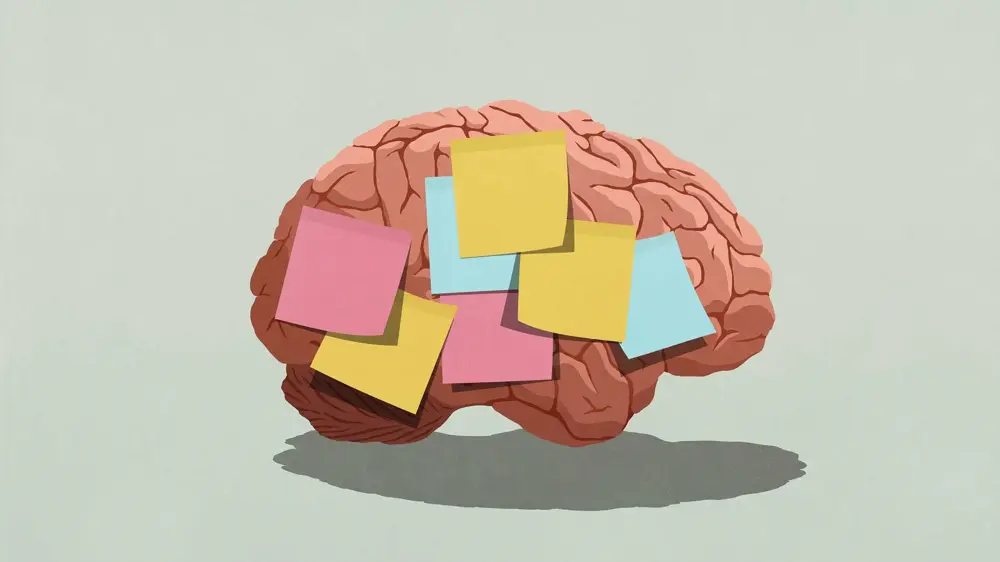
Learning a new language means memorizing tons of vocabulary and grammar patterns, and honestly, that's where most learners hit a wall. You can't just magically absorb thousands of words by reading them over and over. Your brain needs hooks, connections, and creative associations to actually retain information long-term. That's where mnemonics come in. These memory techniques transform boring vocabulary lists into memorable stories, images, and patterns that stick. I've used these methods myself for years, and they genuinely work when you apply them consistently.
What are mnemonics for language learning
💡 What Are Mnemonics? 💡
A mnemonic is basically any technique that helps you remember information by creating associations between what you're trying to learn and something already familiar to you . For language learning, this usually means connecting new foreign words or grammar rules to images, stories, sounds, or patterns that make sense in your brain .
The whole point is to give your memory something concrete to grab onto. When you encounter the Spanish word "embarazada" (pregnant), you might think "embarrassed" because they sound similar, then imagine someone embarrassed about being pregnant. Weird? Maybe. Effective? Absolutely.
Language learners have been using mnemonics for decades, but the techniques have evolved significantly. In 2026, we're seeing more integration with digital tools and apps, making these memory methods way more accessible than they used to be. You don't need to be some memory champion to use these strategies.
The keyword method for vocabulary
This is probably the most popular mnemonic technique for language acquisition, and for good reason.
💡The keyword method works by finding a word in your native language that sounds similar to the foreign word you're learning, then creating a vivid mental image connecting them.
Here's how it works: Let's say you're learning the French word "pain" (bread). It sounds like the English word "pain." So you imagine bread that causes pain when you bite it, maybe because it's rock-hard and breaks your teeth. Sounds ridiculous, but that's exactly why it works. The more absurd and vivid the image, the better you'll remember it.
I used this method extensively when learning Japanese vocabulary. The word (cat) sounds like "neko." I imagined a cat with a "neck-o" that was super long and stretchy. Dumb? Yes. Did I ever forget that word? Nope.
The keyword method works best when:
- The foreign word sounds somewhat similar to a word you already know
- You create a bizarre, emotional, or funny mental image
- You actually visualize the scene in your head, not just think about it
- You review the association a few times to cement it
Some learners worry that English-based mnemonics create dependency on their native language. Here's the thing: mnemonics are training wheels. You use them to get the word into your memory initially, but after enough exposure through reading and listening, you'll eventually process the word directly without thinking about the mnemonic at all. The association fades naturally as the word becomes automatic.
Memory palace and the method of loci
💡The memory palace technique, also called the method of loci, is an ancient strategy that memory champions still use today. You mentally place the information you want to learn in specific locations within a familiar physical space, like your house or a route you walk regularly.
For language learning, you can assign different rooms or locations to different categories of vocabulary. Your kitchen holds all your food-related words. Your bedroom contains verbs related to sleeping, waking up, and daily routines. Your bathroom has hygiene vocabulary. You get the idea.
When you need to recall a word, you mentally walk through that location and "see" the items you placed there. If you're trying to remember the German word "Kühlschrank" (refrigerator), you might visualize your actual refrigerator with a giant cool shrimp (sounds like "kühl-shrank") sitting on top of it.
This method takes more setup time than other mnemonic strategies, but it's incredibly powerful for organizing large amounts of vocabulary. I've met learners who've built entire mental cities for their target language, with different neighborhoods representing different topics or grammar concepts.
Using acronyms and acrostics
Acronyms and acrostics work great for memorizing lists, grammar rules, and verb conjugations.
💡An acronym uses the first letter of each word to create a new word, while an acrostic creates a sentence where each word starts with the letter you need to remember.
For example, if you're learning the French verbs that use "être" instead of "avoir" in the passé composé, you might use the acronym "DR MRS VANDERTRAMP" (Devenir, Revenir, Monter, Rester, Sortir, Venir, Aller, Naître, Descendre, Entrer, Rentrer, Tomber, Retourner, Arriver, Mourir, Partir). Pretty much every French learner knows this one.
You can create your own acrostics for any grammar pattern that involves a specific order or list. Learning German cases? Make a sentence using the first letters. Memorizing Spanish irregular verbs? Same deal.
The limitation here is that acronyms work best for lists and sequences, not for understanding meaning or usage. You still need actual practice and exposure to really learn how these grammar patterns work in context.
Visualization and association techniques
💡Beyond the keyword method, general visualization and association strategies help you memorize almost anything. The key principle is simple: your brain remembers images, emotions, and stories way better than abstract information.
When you learn a new word, don't just repeat it. Create a mental movie. If you're learning "library" in your target language, imagine yourself walking into a specific library, smelling the books, seeing the shelves, and hearing the quiet atmosphere. The more sensory details you add, the stronger the memory.
Association works by linking new information to something you already know well. Learning the word for "window" in Italian (finestra)? Associate it with "finesse" and imagine a window that opens with incredible finesse and grace. Learning "gato" (cat in Spanish)? Think of a cat wearing a fancy gala outfit.
These associations don't have to make logical sense. They just need to be memorable to you personally. Some of my best mnemonics are completely absurd and wouldn't make sense to anyone else, but they've helped me memorize hundreds of words that I still remember years later.
Tips for creating effective mnemonics
After years of using mnemonic techniques, here are the strategies that make a difference:
- Make them personal and emotional. Generic mnemonics from textbooks don't work as well as ones you create yourself. If something makes you laugh, feel disgusted, or triggers a strong emotion, you'll remember it way better. I've forgotten plenty of "logical" mnemonics but still remember the weird, gross, or hilarious ones I made up.
- Use all your senses. Don't just visualize, add sounds, smells, textures, and tastes to your mental images. The more sensory information you pack in, the stronger the memory trace.
- Keep them simple. A mnemonic that requires five steps to decode isn't helpful. The association should pop into your head instantly when you need it.
- Review them strategically. Mnemonics help you get information into memory initially, but you still need spaced repetition to move words into long-term storage. Use your mnemonics during the first few reviews, then let them fade as the word becomes automatic.
- Don't force it. Some words just don't lend themselves to good mnemonics, and that's fine. Not every word needs a memory trick. Sometimes straightforward repetition and contextual learning work better.
How to use mnemonics with modern language learning tools
In 2026, we're seeing more language learning platforms integrate mnemonic techniques directly into their systems. Some apps generate suggested mnemonics automatically, though honestly, the ones you create yourself usually work better.
The real benefit of digital tools is that they make it easier to organize and review your mnemonics alongside your regular study materials. You can add your mnemonic association to a flashcard's note field, include images that reinforce your mental picture, and review everything together using spaced repetition.
I've found that combining mnemonics with sentence mining from real content gives you the best of both worlds. You encounter a word in an authentic context (a show, article, or book), create a mnemonic to help memorize it, then review it using spaced repetition while continuing to see it in new contexts through immersion.
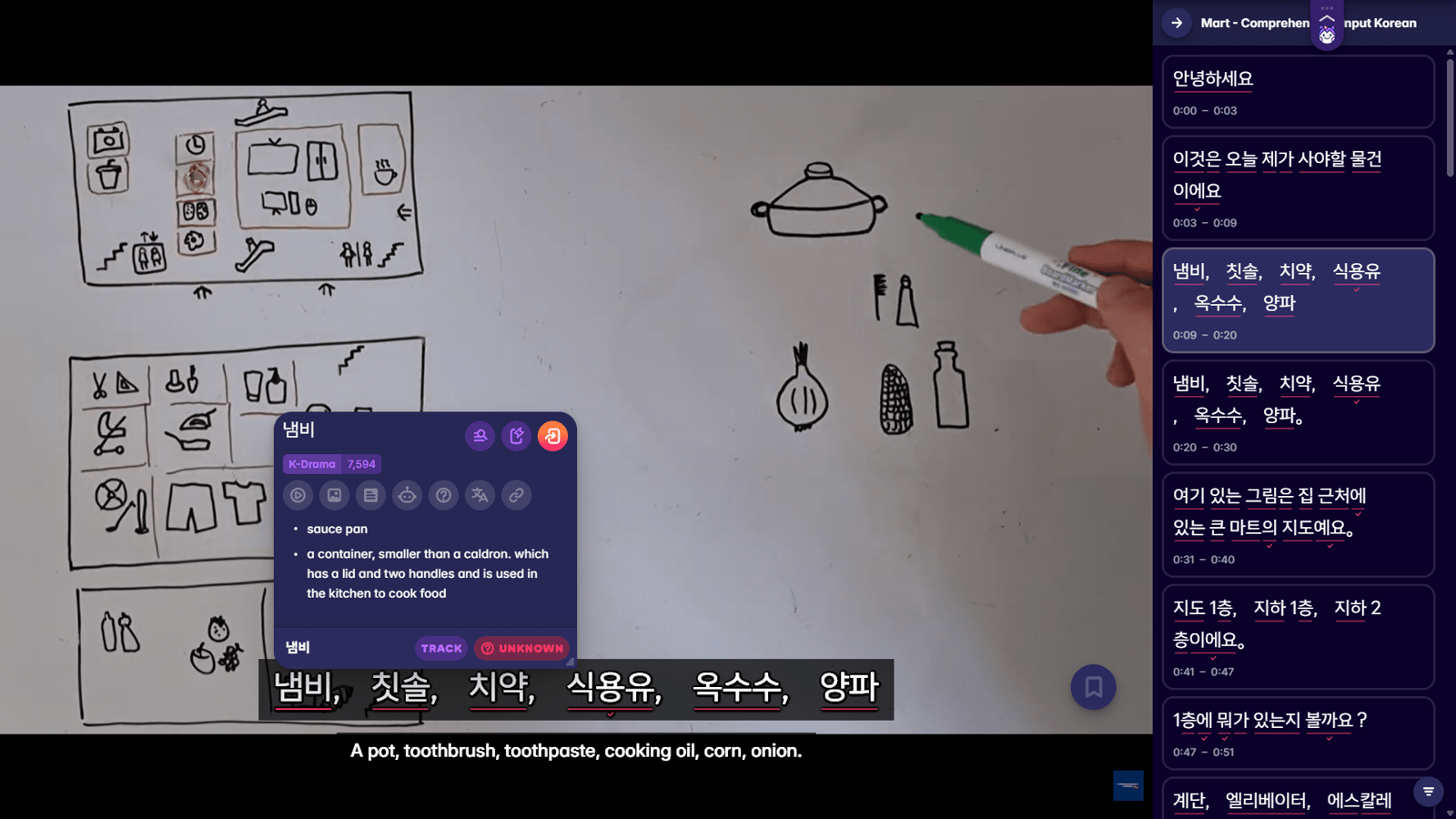
If you're serious about learning through immersion and want tools that actually support it, Migaku's browser extension and app let you look up words instantly while watching shows or reading articles, then save them to flashcards with context. Makes the whole process way more efficient. There's a 10-day free trial if you want to check it out.
FAQs
Some learners find mnemonics too gimmicky or time-consuming. They'd rather just use spaced repetition with straightforward flashcards and lots of input. That's totally valid. Language learning isn't one-size-fits-all.
I've also noticed that mnemonics work better for certain types of information. They're fantastic for concrete nouns (cat, table, mountain) where you can easily create visual associations. They're trickier for abstract concepts (freedom, justice, responsibility) or function words (however, therefore, although).
Your mnemonic toolkit matters more than perfection when learning languages
Look, mnemonics aren't magic, and they won't replace actual study and practice. But they're incredibly useful tools that can speed up your vocabulary acquisition and help you remember tricky grammar patterns. The keyword method, memory palace, storytelling, and visualization techniques all give your brain different ways to encode information.
The best approach is experimenting with different mnemonic strategies to find what clicks for you. Some words will need elaborate memory tricks, others will stick naturally through context and repetition. Use mnemonics strategically for the stuff that won't stick otherwise, and combine them with lots of reading, listening, and real-world practice.
If you consume media in your target language, and you understand at least some of the messages and sentences within that media, you will make progress. Period.
Remember better, memorize more!🧠👍