Regional Cuisine of Kyushu: Dishes Worth Traveling For
Last updated: May 26, 2026
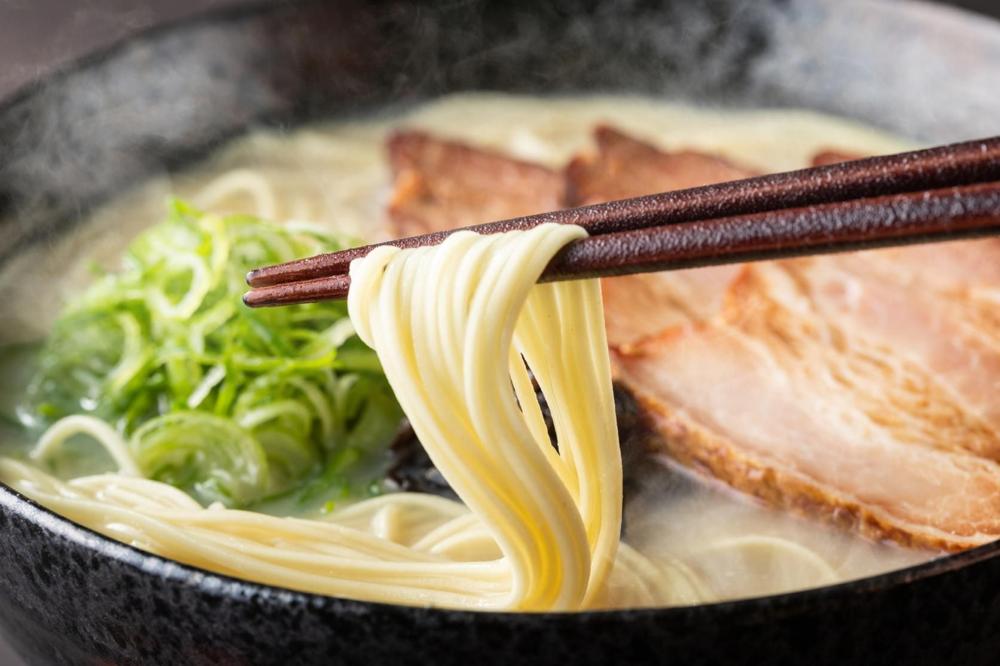
Kyushu, Japan's southwestern main island, has the country's most distinctive regional food culture: tonkotsu ramen in Fukuoka, champon in Nagasaki, basashi in Kumamoto, kurobuta pork in Kagoshima, and dishes you won't find done well anywhere else in Japan. This guide walks through what to order in each of the seven prefectures, where the dishes come from, and what to know before you sit down.
Last updated: May 26, 2026
- Why Kyushu eats differently from the rest of Japan
- Fukuoka: tonkotsu ramen and the yatai stalls
- Nagasaki: champon, sara udon, and 400-year-old castella
- Kumamoto: basashi, karashi renkon, and ikinari dango
- Kagoshima: kurobuta pork, shochu, and Satsuma cuisine
- Oita: toriten, jigokumushi, and Seki mackerel
- Saga: wagyu, squid, and the Yobuko morning market
- Miyazaki: chicken nanban, hiyajiru, and award-winning wagyu
- Practical tips for eating your way through Kyushu
Why Kyushu eats differently from the rest of Japan
Kyushu's food culture was shaped by centuries of contact with China, Korea, Portugal, and the Netherlands through the ports of Hakata and Nagasaki. The volcanic soil and subtropical climate support pork, citrus, sweet potatoes, and tea in volumes you don't see further north. The cooking leans richer, often porkier, and the seasoning hits harder than the more restrained styles of Kyoto or Tokyo.
A few practical things to know:
- Pork dominates. Vegetarians and observant Muslims will want to prepare in advance. See our vegetarian food in Japan ordering guide and the halal food in Osaka and Kyoto guide for ordering language that also works in Kyushu.
- Shochu, not sake, is the default spirit, especially south of Kumamoto.
- Many signature dishes are tied to a single city. The chicken nanban you'll eat in Nobeoka is not the same thing served in a Tokyo izakaya.
Fukuoka: tonkotsu ramen and the yatai stalls
Fukuoka Prefecture is the ramen capital of Japan. Tonkotsu (pork bone) ramen originated in Kurume City, with the Hakata-style version (tonkotsu broth plus thin, flat noodles) emerging in Hakata's food stalls in 1946. Fukuoka Prefecture is estimated to host around 1,700 ramen shops (figure from 2019; the prefecture has not refreshed it).
When you order Hakata ramen, you'll be asked how firm you want the noodles. The standard scale, per the Fukuoka Prefecture Official Travel Guide:
- やわ (yawa) – soft
- ふつう (futsu) – regular
- かた (kata) – hard
- バリカタ (barikata) – extra hard
- ハリガネ (harigane) – wire
Most locals order kata or barikata. Many shops also offer kaedama (替え玉), a refill of noodles added to your remaining broth for a small extra charge.
Where to eat:
- Yatai stalls: Fukuoka City has roughly 100 yatai (food stalls), many serving ramen, yakitori, and oden. The city government actively preserves yatai culture as a tourism asset. The Nakasu and Tenjin riverside areas are the main clusters.
- Hakata Issou, near Hakata Station, is noted by Visit Kyushu for its frothy, cappuccino-style tonkotsu broth.
Other Fukuoka specialties worth ordering: motsunabe (offal hot pot), mizutaki (chicken hot pot), mentaiko (spicy cured pollock roe), and gomasaba (raw mackerel in sesame sauce).
Nagasaki: champon, sara udon, and 400-year-old castella
Nagasaki was Japan's only window to the outside world during the Edo period, and the cuisine shows it.
- Champon (ちゃんぽん) was invented in 1899 by Chen Ping Shun (陳平順), a Chinese immigrant from Fujian who founded Shikairo (四海楼) in Nagasaki. It's a single-bowl dish of noodles, pork, seafood, and vegetables stir-fried together and finished in a pork-and-chicken broth. Shikairo still operates and has a small champon museum upstairs.
- Sara udon (皿うどん) is the sibling dish: the same toppings served over crisp fried noodles.
- Castella (カステラ) is a dense sponge cake brought by Portuguese traders in the 16th century. Fukusaya (福砂屋), the originating castella shop, opened in 1624 and supplied castella to US Commodore Matthew Perry in 1854. Only castella made in Nagasaki that meets specific conditions and passes examination can officially be sold as "Nagasaki Castella," per the city's official tourism site.
Nagasaki's Shinchi Chinatown (新地中華街) is Japan's oldest, with around 40 Chinese restaurants and shops clustered around a single intersection. It's one of only three official Chinatowns in Japan, alongside Yokohama and Kobe.
Kumamoto: basashi, karashi renkon, and ikinari dango
Kumamoto's three great local specialties (三大名物, sandaimeibutsu), as listed by the Japan Tourism Agency, are:
- Basashi (馬刺し) – raw horse meat sashimi. Kumamoto is Japan's leading producer of horse meat, per the Ministry of Agriculture, Forestry and Fisheries. The prefecture's Basashi Safety and Security Promotion Council issues a certification seal for product meeting Ministry of Health, Labour and Welfare standards. Look for that seal at restaurants and shops.
- Karashi renkon (辛子蓮根) – lotus root stuffed with mustard-miso paste, battered, and deep-fried. Originally developed as a nutritional dish for a feudal lord. The mustard hits sharply, so go slowly.
- Ikinari dango (いきなり団子) – sweet potato and red bean paste wrapped in mochi-like dough and steamed. Cheap, filling, and sold at most Kumamoto train stations.
Kumamoto is also a good place to drink akaushi (Japanese brown beef) beer-broth hot pots, particularly in the Aso region.
Kagoshima: kurobuta pork, shochu, and Satsuma cuisine
Kagoshima, at Kyushu's southern tip, produces more food than any other Kyushu prefecture. As of 2022, the Kagoshima Prefectural Official Travel Guide listed it as Japan's largest producer of pork, beef, eel, and green tea.
Kurobuta (黒豚, black pork) is the headline ingredient. Kagoshima Kurobuta pigs are shipped after being fed for 230 to 270 days, roughly 1.2 to 1.5 times longer than ordinary pigs, according to Visit Kyushu. They're also called "Roppaku (六白)" for their six white markings on limbs, snout, and tail. The most common preparations:
- Kurobuta shabu-shabu: thin slices cooked briefly in hot broth.
- Tonkatsu: thick breaded cutlet. Fatty, sweet, and noticeably different from pork from other regions.
- Kakuni (角煮): braised pork belly.
Shochu (焼酎) is the regional spirit. Kagoshima is home to more than 100 shochu distilleries producing approximately 2,000 different labels, per Japan Travel, making it the largest shochu-producing prefecture in Japan. Most Kagoshima shochu is made from sweet potatoes (imo-jōchū, 芋焼酎). Satsuma Shochu was certified as a Geographical Indication (GI) product by the WTO in 2005, and Japan's sake and shochu brewing techniques were registered as UNESCO Intangible Cultural Heritage in December 2024.
Order it oyuwari (with hot water) in winter or rokku (on the rocks) in summer. Mizuwari (with cold water) is the default at most izakaya.
Other dishes to try: keihan (鶏飯, chicken rice soup, more associated with Amami but widely served), satsuma-age (deep-fried fish cakes), and kibinago (silver-striped round herring) sashimi.
Oita: toriten, jigokumushi, and Seki mackerel
Oita is the onsen prefecture, and a lot of its food culture revolves around that.
- Toriten (とり天) is chicken tempura, originated in Beppu City during the Showa period (1926 to 1989), per JNTO. It's traditionally served with kabosu citrus and a ponzu sauce with mustard. The chicken is marinated before being battered, which sets it apart from regular karaage.
- Jigokumushi (地獄蒸し) is "hell-steaming," a cooking technique that uses natural hot-spring steam to cook seafood, meat, and vegetables. It originated in the Kannawa hot spring area of Beppu. Several public steamers in Kannawa let you buy ingredients and cook them yourself.
- Sekisaba (関さば) and sekiaji (関あじ) are mackerel and horse mackerel caught one-by-one (not netted) in the Bungo Channel's Hayasui no Seto. They're prepared using shinkei-nuki (nerve removal) to keep the flesh firm. Per the Ministry of Agriculture, Forestry and Fisheries, these are among Japan's most prestigious seafood brands.
- Dried shiitake: Oita Prefecture produces more than half of all dried shiitake mushrooms in Japan (MAFF, 2020). They're sold at every souvenir shop and are worth packing home.
Saga: wagyu, squid, and the Yobuko morning market
Saga is small, agricultural, and underrated.
Saga Beef (佐賀牛) is the headline. To carry the brand, the beef must come from Japanese Black cattle raised on JA Saga-designated farms, score above 7 out of 12 on the Beef Marbling Standard, and achieve at least grade 4 or 5 from the Japan Meat Grading Association, per Visit Kyushu. The brand was established in 1988 following research begun in 1983. Japan has over 200 brands of beef nationwide (JNTO), and Saga Beef sits near the top tier.
Yobuko ika (呼子のイカ): live squid sashimi served at the port town of Yobuko in Karatsu. The squid is sliced while still moving and presented translucent on the plate. The tentacles are typically taken back, tempura-fried, and returned to the table.
Yobuko Morning Market: typically operates from around 7:30 a.m. to noon, with roughly 50 stalls along a 200-meter street. It's cited by tourism sources as one of Japan's three great morning markets. Dried fish, fresh squid, and seasonal vegetables dominate.
Miyazaki: chicken nanban, hiyajiru, and award-winning wagyu
Chicken nanban (チキン南蛮) originated in Nobeoka City, Miyazaki, in the 1950s at a Western-style restaurant. According to MAFF's official Regional Cuisines database:
- Ogura (おぐら), founded 1956, is credited with introducing the tartar-sauce version most people know today.
- Naochan (直ちゃん), opened 1964, serves the original sweet-and-sour version without tartar.
On July 8, 2009, Nobeoka City officially declared itself "the town where Chicken Nanban originated" and designated July 8 as Chicken Nanban Day (from a pun: nan = 7, ban = 8). If you're traveling through Miyazaki, eating both versions in Nobeoka is worth the detour.
Miyazaki Beef (宮崎牛) has consistently won top prizes at the Wagyu Olympics (the national wagyu competition held every five years), according to Japan Airlines' official destination guide. It's frequently ranked alongside Kobe and Matsusaka beef.
Hiyajiru (冷や汁) is cold miso soup poured over rice with cucumber, shiso, and sesame. It's a summer dish, designed for the subtropical Miyazaki heat. Most teishoku restaurants in Miyazaki City serve it from late May through September.
Practical tips for eating your way through Kyushu
- Get a JR Kyushu Rail Pass if you're planning to hit multiple prefectures. Most major dishes are concentrated in cities along the Kyushu Shinkansen and the Nippō Main Line.
- Many famous shops don't take reservations. For yatai in Fukuoka and live-squid restaurants in Yobuko, plan to queue.
- Cash is still common at older establishments, especially yatai, morning markets, and rural izakaya. Carry yen.
- Order in small portions across multiple shops rather than committing to one big meal. A bowl of ramen, a few yatai skewers, and a glass of shochu is the Fukuoka standard, not a full kaiseki.
- Ask about regional certifications: the Basashi certification seal in Kumamoto, the JA Saga brand mark on Saga Beef menus, and the GI mark on Satsuma Shochu are all real indicators of quality.
For more on eating well in unfamiliar regional cuisines, our piece on regional dishes worth seeking out takes a similar approach in another country.
FAQs
What's the single most famous Kyushu dish?
Hakata tonkotsu ramen, by a wide margin. It's the dish most strongly associated with Kyushu outside Japan.
Is Kyushu food spicy?
Generally no. Karashi renkon (Kumamoto) and some Kagoshima dishes use mustard or chili, but Kyushu cuisine leans rich and savory rather than hot.
Can I eat basashi safely?
Yes, if you order it from a restaurant in Kumamoto that displays the Basashi Safety and Security Promotion Council certification seal. The seal indicates compliance with Ministry of Health, Labour and Welfare standards.
What's the best season for Kyushu food travel?
Late autumn through early spring for ramen, hot pots, and shochu. Summer for hiyajiru in Miyazaki and live squid in Yobuko. The Yobuko squid season runs roughly March through November.
Where can I try multiple Kyushu specialties in one place?
Fukuoka's Hakata Station basement (Hakata Deitos and Hakata Mainging) collects shops from across Kyushu. It's a reasonable fallback if you're short on time.
If you're planning serious time in Japan, learning to read menus and order in Japanese pays off fast, especially at the small yatai and rural izakaya where Kyushu's best food actually lives. Try Migaku to learn Japanese from the kinds of native content you'll actually use on the trip.