Two Weeks in Mexico: A First-Time Visitor's Itinerary
Last updated: May 22, 2026
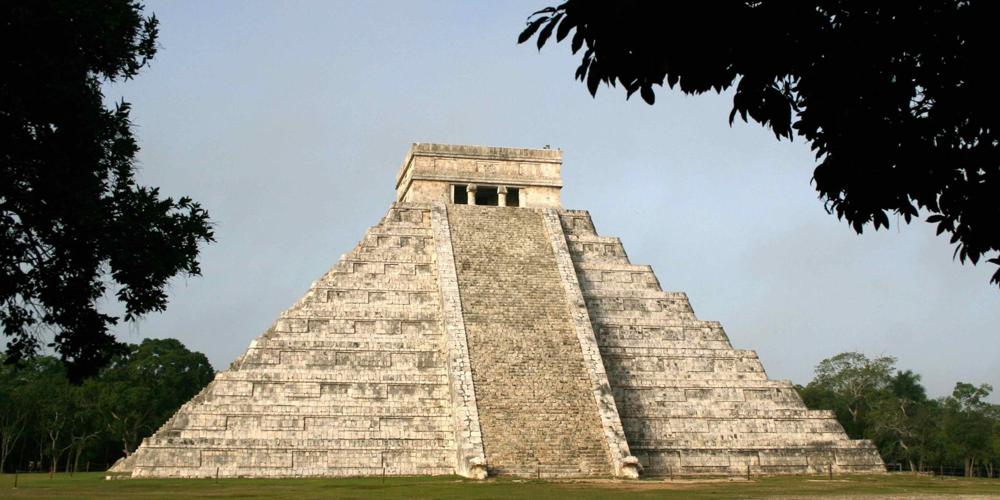
Two weeks is the right amount of time for a first visit to Mexico: enough to see the capital, eat your way through Oaxaca, and still get sand under your feet in the Yucatán without sprinting between airports. This itinerary covers what to do, what it costs in 2026, and the entry rules you need to handle before you board.
Last updated: May 22, 2026
Entry Requirements and Paperwork
US, Canadian, UK, EU, Australian, and most Latin American citizens do not need a visa to enter Mexico as tourists. You need a passport with at least six months of remaining validity and a tourist permit called the FMM (Forma Migratoria Múltiple).
Key 2026 facts:
- The FMM authorizes up to 180 days of tourism, but immigration officers have full discretion to grant fewer days based on your return ticket, accommodation, and answers at the counter. Bring proof of onward travel and your first hotel reservation.
- The 2026 FMM fee is 983 pesos (about $54 USD). If you fly in, this fee is already bundled into your airline ticket. If you cross by land, you pay it at the INM/Banjercito office at the border.
- Land arrivals staying seven days or fewer pay nothing for the FMM.
- Since 2023, INM has been rolling out a digital FMM (eFMM) at international airports, replacing the paper slip. Keep the email confirmation or QR code on your phone.
- Mexico published updated visa issuance guidelines in the Federal Register on July 25, 2025, the first major immigration rule update since 2014. Most casual tourists won't notice a difference, but procedures are increasingly digital.
Overstaying the FMM is expensive. In 2026, the daily UMA used to calculate fines is 117.31 pesos, and overstay penalties range from 20 to 100 UMA days, roughly 2,346 to 11,731 pesos ($120 to $590 USD). Pay before leaving the country or you may have problems at the airport.
The 14-Day Route at a Glance
This itinerary balances cities, ruins, food, and beach. It avoids all six Mexican states currently under a US State Department Level 4 "Do Not Travel" advisory (Colima, Guerrero, Michoacán, Sinaloa, Tamaulipas, and Zacatecas, with Tamaulipas reissued on May 1, 2026 after violence near Reynosa).
Days | Location | Focus |
|---|---|---|
1–4 | Mexico City | Centro Histórico, Coyoacán, Teotihuacán day trip |
5–7 | Oaxaca City | Markets, mezcal, Monte Albán |
8–9 | Mérida | Colonial center, cenotes |
10–11 | Valladolid + Chichén Itzá | Ruins, Yucatecan food |
12–14 | Tulum or Isla Mujeres | Caribbean coast, departure from Cancún |
All three legs are connected by 1.5- to 2-hour domestic flights on Aeroméxico, Volaris, or Viva. Book early; one-way fares between Mexico City, Oaxaca, and Mérida typically run $60 to $130 USD if you book a few weeks ahead.
Days 1–4: Mexico City
Fly into Benito Juárez International (MEX) or Felipe Ángeles (NLU). Stay in Roma Norte, Condesa, or Centro Histórico. These neighborhoods are walkable, well-policed, and full of cafés and restaurants.
What to prioritize:
- Centro Histórico: Zócalo, Templo Mayor, Palacio de Bellas Artes, the Diego Rivera murals at the Secretaría de Educación Pública.
- Anthropology Museum in Chapultepec. Plan three hours minimum. The Aztec and Maya halls alone justify the trip.
- Coyoacán and San Ángel: Frida Kahlo's Casa Azul (book tickets online a week in advance), the Saturday Bazar Sábado in San Ángel.
- Teotihuacán day trip: General admission to the INAH archaeological zone is around 100 MXN ($5–6 USD) per adult in 2026. The Pyramid of the Moon reopened for climbing in May 2025 after a five-year closure. Go early to beat the heat and tour buses.
Getting around: the Mexico City Metro is a flat 5 pesos (~$0.30 USD) per ride in 2026. Buy a rechargeable Tarjeta de Movilidad Integrada for 15 pesos at any station window. It works on the Metro, Metrobús, Tren Ligero, Trolleybús, RTP buses, Cablebús, and the new El Insurgente suburban train, with a top-up cap of 500 pesos. Metro hours are 5 AM–midnight weekdays, 6 AM–midnight Saturdays, and 7 AM–midnight Sundays and holidays. For a deeper breakdown of transit options including ride-hail apps, see this getting around Mexico City guide.
For evening cabs after about 10 PM, use Uber, Didi, or Cabify rather than hailing a taxi off the street.
Days 5–7: Oaxaca City
Fly Mexico City to Oaxaca (OAX) in just over an hour. Oaxaca is the gastronomic capital of Mexico and the easiest place to fall in love with the country.
Three-day plan:
- Day 5: Walk the Centro Histórico. Templo de Santo Domingo and its ethnobotanical garden, lunch at Mercado 20 de Noviembre (the smoky meat hall), evening mezcalería crawl on Calle García Vigil.
- Day 6: Half-day at Monte Albán, the Zapotec capital perched above the valley. Afternoon at Hierve el Agua, the petrified mineral cascades.
- Day 7: Tlacolula Sunday market if your dates line up, otherwise the Teotitlán del Valle weaving villages and a mezcal palenque tour in Santiago Matatlán.
Must-eat: tlayudas, mole negro, memelas, chapulines if you're brave, and a tejate from a market stall. Restaurants worth a reservation include Origen, Levadura de Olla, and Criollo.
Days 8–9: Mérida and the Yucatán
Fly Oaxaca to Mérida (MID) via Mexico City. Mérida is the safest large city in Mexico and the best base for exploring colonial Yucatán.
- Walk the Paseo de Montejo at golden hour. Free Sunday Bici-Ruta closes the avenue to cars.
- Eat cochinita pibil at La Chaya Maya or sopa de lima at Manjar Blanco.
- Take a half-day cenote tour to Cuzamá or the Santa Bárbara cenotes near Homún. Entrance fees run 250–400 pesos per cenote plus transport.
- Visit Uxmal, the underrated Puuc-style Maya site about 90 minutes south of Mérida. Foreign adults pay around 531 pesos combined federal and state fees in 2026.
Days 10–11: Valladolid and Chichén Itzá
Take an ADO bus or rent a car from Mérida to Valladolid (about two hours). Valladolid is a quiet colonial town with cenotes inside the city limits (Cenote Zací) and the spectacular Cenote Suytun a 10-minute drive away.
Chichén Itzá logistics for 2026:
- Foreign adult entrance is approximately 697 MXN total (~$40 USD), combining the federal INAH fee (~105 pesos) and the Yucatán state CULTUR fee (~592 pesos).
- Open daily 8 AM–5 PM, last admission 4 PM.
- Foreign tourists pay full price every day. The Sunday free-admission rule applies only to Mexican nationals and foreign residents.
- A second-class ADO bus from Cancún to Chichén Itzá costs about 384 pesos ($22 USD) round-trip, departing the Cancún ADO terminal at 8:45 AM and arriving at 12:00 PM. From Valladolid, the colectivo ride is 45 minutes and around 50 pesos.
Arrive at opening to avoid the cruise-ship tour groups that flood in from 10:30 AM onward.
Days 12–14: Caribbean Coast
Drive or bus from Valladolid to Tulum (about 1.5 hours) or take a ferry from Cancún to Isla Mujeres for a quieter beach finish.
What you need to know about Quintana Roo taxes in 2026:
- VISITAX is mandatory for all foreign tourists visiting Cancún, Tulum, Playa del Carmen, Cozumel, Isla Mujeres, and Bacalar. The 2026 rate is 285 pesos (~$15–$16 USD) per person, including children. There was no increase from 2025.
- Pay online only at the official portal visitax.gob.mx. Cash is not accepted. You receive a QR code, which is the only accepted proof of compliance.
- In 2026, authorities began a Checkpoint Strategy at Cancún International Airport (CUN), with uniformed inspectors stationed before security escalators in Terminals 3 and 4 to verify VISITAX before departure. Pay before you arrive at the airport.
- Avoid lookalike third-party sites that charge double. The only official URL is visitax.gob.mx.
- Lodging environmental taxes are added at hotel check-in: Cancún charges 76 pesos per night per room, and Playa del Carmen charges 54 pesos per couple per room.
If you're arriving by cruise rather than air, note the new Non-Resident Duty (DNR) cruise passenger tax. It began at $5 USD per person on July 1, 2025, and is scheduled to rise to $10 USD on August 1, 2026, then $15 in 2027 and $21 in 2028.
Fly home from Cancún (CUN). Terminal 1 reconstruction is scheduled to wrap around mid-2026 in time for FIFA World Cup 2026, which Mexico is co-hosting with matches in Mexico City, Guadalajara, and Monterrey. Expect construction-related rerouting through 2026.
Budget and Money
The USD/MXN exchange rate was about 17.36 pesos per dollar on May 15, 2026, per the US Federal Reserve. The Bank of Mexico (Banxico) cut its benchmark rate to 6.5% in May 2026 and signaled the end of its easing cycle, so peso volatility should be moderate for the rest of the year.
Rough daily budget per person in 2026:
Style | Per day (USD) | Includes |
|---|---|---|
Backpacker | $40–$60 | Hostel dorm, street food, buses, one paid site |
Mid-range | $90–$160 | Boutique hotel, sit-down meals, Ubers, paid attractions |
Comfort | $200–$400 | 4-star hotel, fine dining, private transfers, guided tours |
Use ATMs at major banks (BBVA, Banorte, Santander) and skip the airport currency desks. Cards are widely accepted in cities and resort areas; carry pesos for markets, taxis, small towns, and tipping.
Safety, Health, and Common Pitfalls
The US State Department's nationwide advisory for Mexico in 2026 is Level 2, "Exercise Increased Caution." The destinations in this itinerary (CDMX, Oaxaca, Yucatán, Quintana Roo) all sit at or below this level. Apply the same urban awareness you would in any large city.
- Avoid the six Level 4 states for tourism: Colima, Guerrero, Michoacán, Sinaloa, Tamaulipas, Zacatecas.
- Acapulco and Taxco are in Guerrero. Skip them on a first trip.
- Don't display jewelry, phones, or cash in crowded markets.
- Drink bottled or filtered water everywhere except the most upmarket hotels.
- Altitude in Mexico City (2,240 m / 7,350 ft) hits some people hard on day one. Take it easy and hydrate.
- Save the US Embassy line: from inside Mexico, (55) 2579 2000.
Travel insurance is not optional. A two-week policy with medical coverage runs $30–$80 for most travelers. For a longer look at the medical system if something does go wrong, this overview of healthcare in Mexico for foreigners walks through public and private options.
Frequently Asked Questions
Is two weeks enough for a first trip to Mexico?
Yes, for the route above. Mexico is roughly three times the size of Texas, so you will not see Baja, the Pacific coast, and Chiapas in one trip. Pick a region and accept that you'll come back.
Should I rent a car?
Not in Mexico City. In Yucatán it's genuinely useful for cenotes and ruins. ADO buses are comfortable, on time, and connect every major town in the southeast.
Do I need to speak Spanish?
In tourist zones (Cancún, Tulum, Playa del Carmen, central CDMX, Oaxaca center) no. Once you leave those zones, basic Spanish makes everything smoother. If you want a sense of how a similar two-week structure plays out elsewhere, this two week itinerary in another country is a useful comparison.
When should I go?
Late October through April is dry season. May to September is hot and wet, with hurricane risk on the Caribbean coast peaking August–October. November and February are the sweet spot for weather plus reasonable prices.
Is tap water safe?
No. Use bottled, filtered, or boiled water, including for brushing teeth.
What about tipping?
10–15% at restaurants if a service charge isn't included. 20–50 pesos per bag for hotel porters. 10–20 pesos per drink at bars.
If you're planning to spend more time in Mexico after this trip, picking up Spanish from the kinds of telenovelas, podcasts, and YouTube channels Mexicans actually watch goes a long way. Try Migaku, it turns that native content into something you can learn from directly.