# Apartment Vocabulary in Chinese for Renting and House Hunting
> Learn Chinese apartment vocabulary for renting in China. Covers room types, rental phrases, contract terms, and negotiation dialogues you'll actually use.
**URL:** https://migaku.com/blog/chinese/chinese-apartment-vocabulary
**Last Updated:** 2026-03-27
**Tags:** vocabulary, phrases
---
If you're planning to rent an apartment in China or just want to [expand your Mandarin skills](https://migaku.com/learn-chinese) with practical vocabulary, you'll need more than basic greetings. Apartment hunting in Chinese-speaking cities involves specific terms for room types, rental negotiations, and contract discussions that don't always translate directly from English. This guide covers the essential Chinese apartment vocabulary you'll use when searching for a place, talking to landlords, and signing lease agreements.
----
## Understanding Chinese apartment types
Chinese real estate listings use a specific numbering system that describes apartment layouts. You'll see terms like 一室一厅 (yī shì yī tīng), which literally means "one room, one hall." The first number indicates bedrooms, and the second refers to living areas.
Here's how the system breaks down:
- 一室一厅 (yī shì yī tīng): One bedroom, one living room
- 两室一厅 (liǎng shì yī tīng): Two bedrooms, one living room
- 三室两厅 (sān shì liǎng tīng): Three bedrooms, one living room, one dining room
The word 室 (shì) means room and specifically refers to bedrooms in these listings. Meanwhile, 厅 (tīng) refers to common areas like living rooms or dining spaces. Some listings also include 卫 (wèi), which indicates bathrooms. A 两室一厅一卫 (liǎng shì yī tīng yī wèi) apartment has two bedrooms, one living room, and one bathroom.
----
## Essential room vocabulary
Learning the Chinese words for different rooms helps you understand listings and communicate with landlords. The character 房 (fáng) appears frequently and means "room" in a general sense.
- The bedroom is called 卧室 (wòshì), combining 卧 (to lie down) and 室 (room). When viewing apartments, you might ask "卧室有多大?" (wòshì yǒu duō dà?) to inquire about bedroom size.
- The living room has multiple terms in Chinese. You'll hear 客厅 (kètīng), which literally means "guest hall," used most commonly. Some people also say 起居室 (qǐjūshì), though this sounds more formal.
- For the kitchen, use 厨房 (chúfáng). This combines 厨 (cooking) with 房 (room). Many Chinese apartments have smaller kitchens compared to Western standards, so you might want to check if it includes 煤气灶 (méiqì zào), a gas stove, or just an electric cooktop.
- The bathroom vocabulary gets specific. 浴室 (yùshì) refers to a bathroom with bathing facilities, while 卫生间 (wèishēngjiān) is the general term for bathroom or restroom.
----
## Chinese vocabulary for furniture and fixtures
When you're viewing apartments, you'll need vocabulary for what's included. The word 家具 (jiājù) means furniture in general. Here are specific items you'll encounter:
| Chinese | Pinyin | English |
| - | - | - |
| 床 | chuáng | Bed |
| 桌子 | zhuōzi | Table / Desk |
| 椅子 | yǐzi | Chair |
| 沙发 | shāfā | Sofa (borrowed from English) |
| 书架 | shūjià | Bookshelf |
| 衣柜 | yīguì | Wardrobe / Closet |
| 冰箱 | bīngxiāng | Refrigerator |
| 洗衣机 | xǐyījī | Washing machine |
| 空调 | kōngtiáo | Air conditioner |
Many rental apartments in China come furnished, described as 精装修 (jīng zhuāngxiū) for well-furnished or 简装修 (jiǎn zhuāngxiū) for basic furnishings.
----
## Building and location terms
Beyond the apartment itself, you'll discuss the building and neighborhood. 楼 (lóu) means building or floor. A 公寓楼 (gōngyù lóu) is an apartment building, while 住宅楼 (zhùzhái lóu) refers to a residential building more generally.
Floor numbers use 层 (céng). "我住在五层" (wǒ zhù zài wǔ céng) means "I live on the fifth floor."
Here are more location-related terms:
| Chinese | Pinyin | English |
| - | - | - |
| 小区 | xiǎoqū | Residential compound / Community |
| 电梯 | diàntī | Elevator |
| 楼梯 | lóutī | Stairs |
| 停车场 | tíngchēchǎng | Parking lot |
| 车库 | chēkù | Garage |
| 阳台 | yángtái | Balcony |
| 地下室 | dìxiàshì | Basement |
----
## Key phrases for rental negotiation
When you're ready to discuss renting, these phrases become essential. The word for rent is 租金 (zūjīn) or simply 租 (zū). "房租多少钱?" (fángzū duōshao qián?) means "How much is the rent?"
Rent in China is typically quoted monthly as 每月 (měi yuè). You might hear "每月三千块" (měi yuè sān qiān kuài), meaning 3,000 yuan per month. The word 块 (kuài) is casual for yuan, while 元 (yuán) is more formal.
Deposits are crucial in Chinese rentals. 押金 (yājīn) means security deposit, and landlords commonly require 押一付三 (yā yī fù sān), which means "one month deposit, three months rent paid upfront." Some places require 押二付三 (yā èr fù sān), two months deposit and three months rent.
Common negotiation phrases include:
- 能便宜一点吗?
*Can it be cheaper?*
- 包括水电费吗?
*Does it include utilities?*
- 可以看房吗?
*Can I view the apartment?*
- 什么时候可以入住?
*When can I move in?*
----
## Utilities and monthly expenses
Understanding utility vocabulary helps you budget properly. 水电费 (shuǐdiàn fèi) combines water and electricity bills. Sometimes these are broken down separately:
| Chinese | Pinyin | English |
| - | - | - |
| 水费 | shuǐfèi | Water bill |
| 电费 | diànfèi | Electricity bill |
| 煤气费 | méiqì fèi | Gas bill |
| 网费 | wǎngfèi | Internet fee |
| 物业费 | wùyè fèi | Property management fee |
The property management fee covers building maintenance, security, and common area upkeep. In many Chinese apartment complexes, this is separate from rent and can range from a few hundred to over a thousand yuan monthly depending on the building quality.
Ask "这些费用谁付?" (zhèxiē fèiyòng shéi fù?) to clarify who pays which expenses. Some landlords include utilities in the rent, while others expect tenants to handle everything separately.
----
## Contract vocabulary
When signing a lease, called 租房合同 (zūfáng hétong) or 租赁合同 (zūlìn hétong), you'll encounter specific legal terms. The contract period is 租期 (zūqī), typically 一年 (yī nián, one year) or longer.
Key contract terms include:
| Chinese | Pinyin | English |
| - | - | - |
| 房东 | fángdōng | Landlord |
| 房客 / 租客 | fángkè / zūkè | Tenant |
| 合同期限 | hétong qīxiàn | Contract term |
| 违约金 | wéiyuējīn | Penalty for breaking contract |
| 续租 | xùzū | Lease renewal |
| 退房 | tuì fáng | Move out / Vacate |
Read contracts carefully for clauses about 提前退租 (tíqián tuì zū), early termination. Many require 提前一个月通知 (tíqián yī gè yuè tōngzhī), one month advance notice, or you'll forfeit your deposit.
----
## Common phrases for apartment viewings
During viewings, these conversational phrases help you gather information:
- 这个小区安全吗?
*Is this community safe?*
- 附近有超市吗?
*Is there a supermarket nearby?*
- 离地铁站远吗?
*Is it far from the subway station?*
- 房子朝向哪边?
*Which direction does the apartment face?*
Direction matters in Chinese real estate because south-facing apartments (朝南 , cháo nán) get more sunlight and are considered more desirable. North-facing units (朝北 , cháo běi) stay cooler but darker.
You'll also want to ask about noise levels with "这里吵不吵?" (zhèlǐ chǎo bu chǎo?), literally "here noisy not noisy?" The repetition of the verb with 不 (bù, not) creates a [yes-no question structure](https://migaku.com/blog/chinese/chinese-question-particles-ma-ba-ne) common in Mandarin.
----
## Communicating with landlords
Most apartment hunting in China happens through apps like 链家 (Liànjiā) or 贝壳找房 (Bèiké zhǎo fáng), but you'll still communicate directly with landlords or agents. WeChat is the primary platform for these conversations.
When messaging, keep it polite and direct. Start with "您好" (nín hǎo), the formal version of hello, followed by your request. For example: "您好,我看到您发布的租房信息,可以预约看房吗?" (nín hǎo, wǒ kàndào nín fābù de zūfáng xìnxī, kěyǐ yùyuē kàn fáng ma?) means "Hello, I saw your rental listing. Can I schedule a viewing?"
The word 中介 (zhōngjiè) means agent or intermediary. Some landlords use agents who charge 中介费 (zhōngjiè fèi), an agency fee typically equal to half or one month's rent. Ask upfront about these costs.
Payment methods have shifted mostly to digital. 微信支付 (wēixìn zhīfù, WeChat Pay) and 支付宝 (zhīfùbǎo, Alipay) are standard, though some landlords still prefer 现金 (xiànjīn), cash, for deposits.
----
## Practical tips for using this vocabulary
1. Learning Chinese apartment vocabulary works best when you combine it with real listings. Browse Chinese rental websites even if you're not currently apartment hunting. Seeing these terms in context, with photos and floor plans, reinforces the vocabulary faster than memorization alone.
2. Pay attention to pinyin romanization when learning pronunciation. Chinese characters don't indicate sound, so pinyin helps you speak correctly. For example, 家 (jiā) means home or family, and appears in compounds like 家具 (jiājù, furniture). The pinyin shows you that jiā uses a first tone, which stays high and level.
3. Practice writing common phrases before you need them. Having "房租多少钱?" saved in your phone's notes lets you copy and paste when messaging landlords, reducing stress during actual apartment searches.
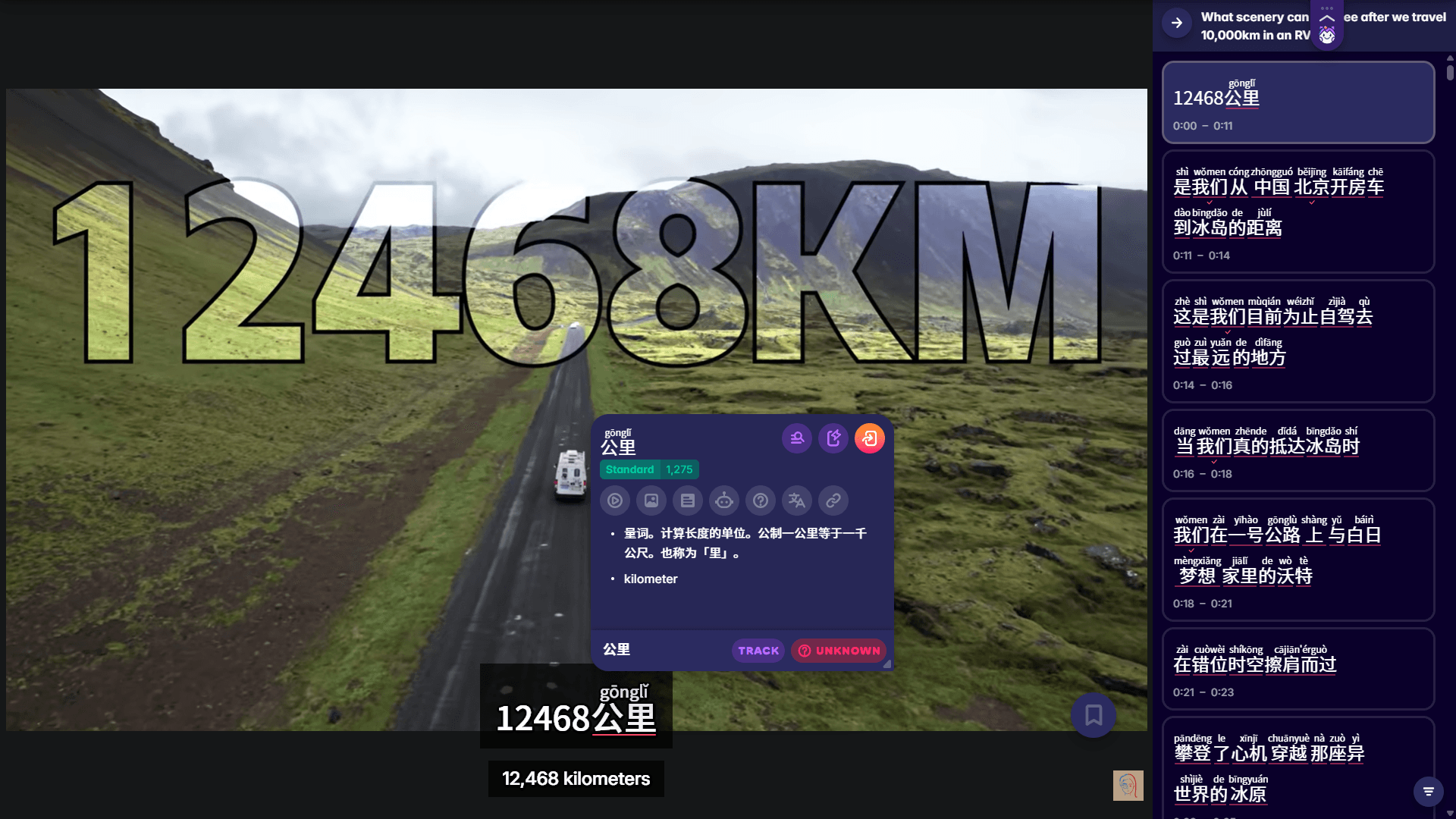
Anyway, if you're serious about building [practical Chinese vocabulary](https://migaku.com/blog/chinese/chinese-business-vocabulary) like this, Migaku's browser extension lets you look up words instantly while reading real rental listings or watching Chinese property shows. You can save apartment-related terms directly into your study decks as you encounter them. There's a 10-day free trial if you want to make your Chinese learning more efficient.
 ----
## Don't worry about perfect grammar initially for your conversations
Landlords and agents care more about understanding your questions than grammatical precision. Saying "多少钱?" (duōshao qián?, how much money?) gets your point across even without a complete sentence structure. If you want to get very fluent about and beyond this vocabulary, try watching Chinese dramas and movies about modern life. High rent, rent paying, and house hunting are very common topics that characters mention all the time.
> If you consume media in Chinese, and you understand at least some of the messages and sentences within that media, you will make progress. _Period_.
It is a lot to take in, but you'll get there with time!
----
## Don't worry about perfect grammar initially for your conversations
Landlords and agents care more about understanding your questions than grammatical precision. Saying "多少钱?" (duōshao qián?, how much money?) gets your point across even without a complete sentence structure. If you want to get very fluent about and beyond this vocabulary, try watching Chinese dramas and movies about modern life. High rent, rent paying, and house hunting are very common topics that characters mention all the time.
> If you consume media in Chinese, and you understand at least some of the messages and sentences within that media, you will make progress. _Period_.
It is a lot to take in, but you'll get there with time!