# HSK 3 Guide: Complete Guide to Improve Your Chinese Proficiency for the New HSK Standards
> The HSK 3 exam starts at the mid-level of Chinese learning. Here is how you can master a complete vocabulary list of 600 words and new grammar points!
**URL:** https://migaku.com/blog/chinese/hsk-3-guide
**Last Updated:** 2025-12-10
**Tags:** resources, discussion
---
Now the journey gets a bit more challenging! In the HSK level 3 exam, [Chinese language learners](https://migaku.com/learn-chinese) cannot turn away from the handwriting training anymore.🥲 HSK 3 marks the transition from a basic beginner to a confident intermediate learner. It demands that the students master 600 words in total, and features new sections in the test structure. With all things considered, [the strategy for HSK 1](https://migaku.com/blog/chinese/hsk-1-guide) and [2](https://migaku.com/blog/chinese/hsk-2-guide) may not work here anymore! We’ll break down the expanded scope, master key grammatical bridges, build an effective study plan, and refine your test-taking tactics. Let’s take a major leap forward in your Mandarin journey.
---
## What is the HSK 3 exam test structure?
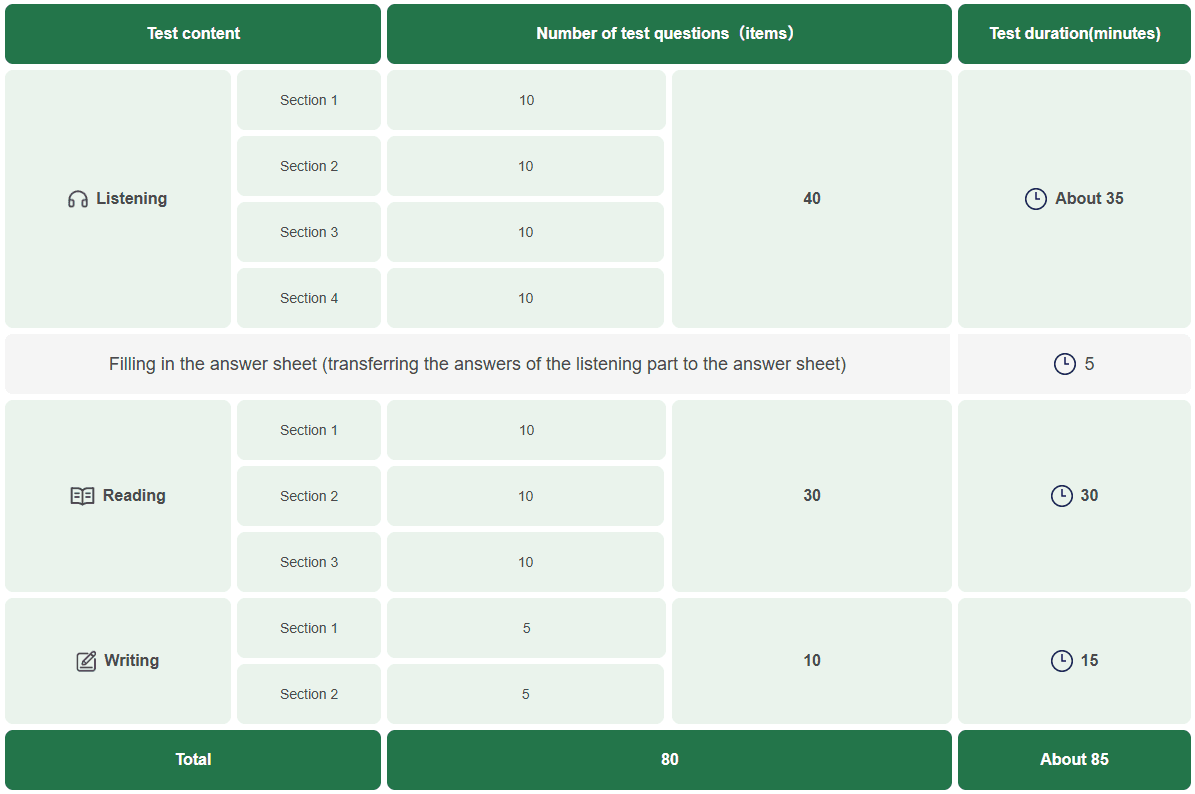
As the HSK 3 exam marks the beginning of the intermediate level of the HSK tests, its exam structure is significantly different from the previous two levels. The test now includes three sections: Listening, Reading, and Writing, with 80 questions total over 90 minutes.
The listening passages become longer and faster, featuring conversations that might include suggestions and simple reasoning. The reading section requires you to match sentences or identify the main idea. The entirely new writing section is the hallmark of HSK 3, asking you to rearrange words into sentences and write characters from pinyin. This comprehensive format tests not just passive recognition, but active production — confirming you can both understand and construct the language.
For further details, you can browse [the official website](https://www.chinesetest.cn/HSK/3) for the test structure of each level.
 ---
## How to prepare for the HSK 3 vocabulary?
HSK 3 represents a significant expansion, doubling your known vocabulary to approximately 600 words. It is quite a leap from the 300-word level of the HSK 2 test. The 600 words include the 300 words learners should master from the HSK 1 and 2 tests, and 300 new words from the HSK 3 level.
You’ll move beyond concrete daily needs into the realms of abstract thought, emotions, and more detailed descriptions. Expect to learn vocabulary for grammatical structures like (Actually) and (Yet...), and more detailed vocabulary for your working, living, and travelling environment.
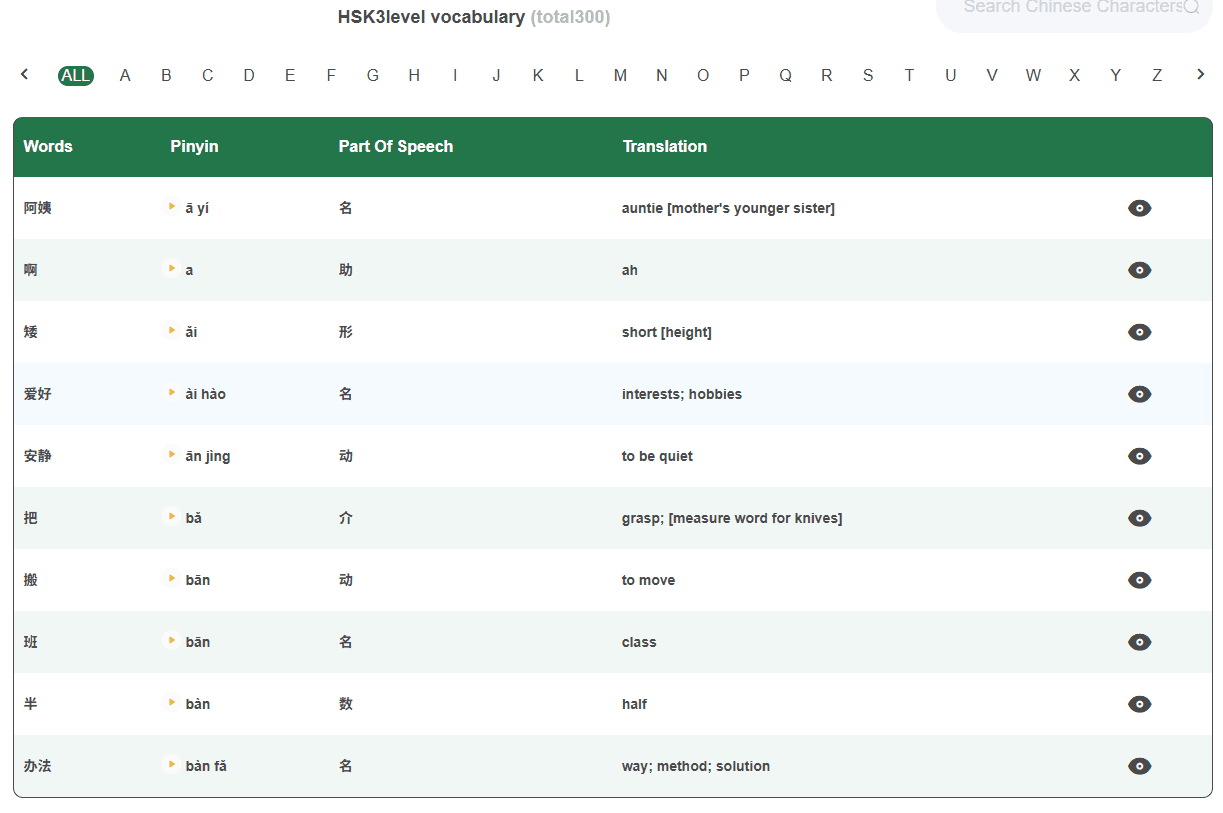
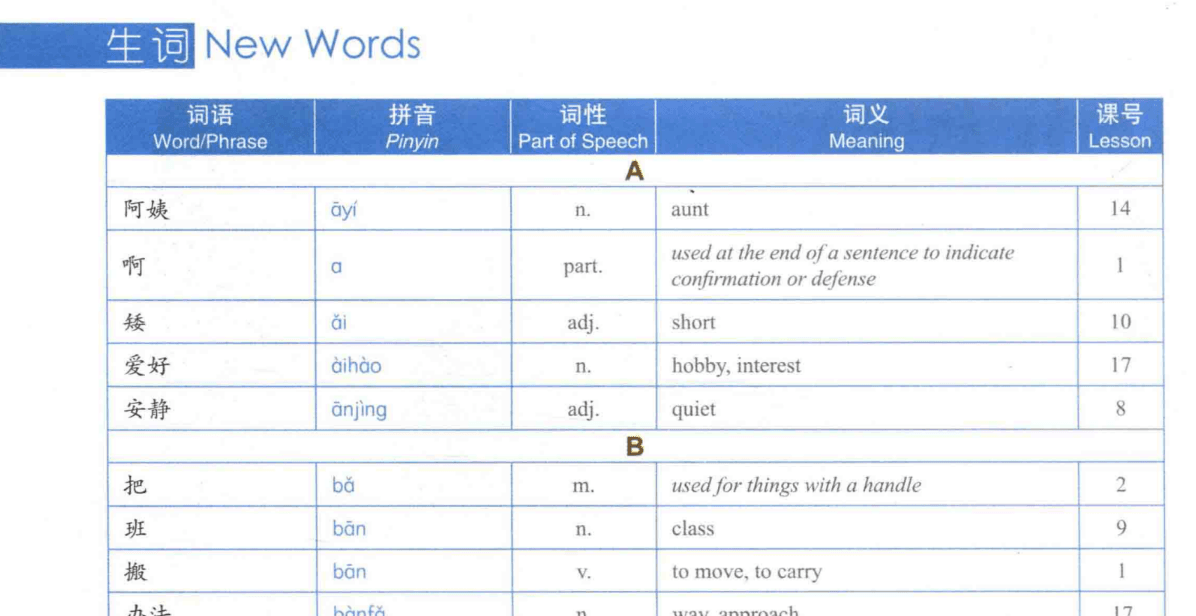
In terms of the strategy to prepare for the vocabulary, it is the same as for the HSK 1 and 2 exams. Learners need to combine the resources from the vocabulary syllabus of the official website and the vocabulary appendix of the HSK 3 textbook. This method can give you a clear idea of all the vocabulary you need to master, without leaving anything behind.
[The website displays all the HSK 3 vocabulary](https://www.chinesetest.cn/HSK/3):
---
## How to prepare for the HSK 3 vocabulary?
HSK 3 represents a significant expansion, doubling your known vocabulary to approximately 600 words. It is quite a leap from the 300-word level of the HSK 2 test. The 600 words include the 300 words learners should master from the HSK 1 and 2 tests, and 300 new words from the HSK 3 level.
You’ll move beyond concrete daily needs into the realms of abstract thought, emotions, and more detailed descriptions. Expect to learn vocabulary for grammatical structures like (Actually) and (Yet...), and more detailed vocabulary for your working, living, and travelling environment.
In terms of the strategy to prepare for the vocabulary, it is the same as for the HSK 1 and 2 exams. Learners need to combine the resources from the vocabulary syllabus of the official website and the vocabulary appendix of the HSK 3 textbook. This method can give you a clear idea of all the vocabulary you need to master, without leaving anything behind.
[The website displays all the HSK 3 vocabulary](https://www.chinesetest.cn/HSK/3):
 [The HSK 3 textbook](https://mandrinacademy.blogspot.com/2021/07/hsk3pdf.html) appendix features the vocabulary list as well:
 ---
## What is new about HSK 3 grammar points?
HSK 3 grammar is the engine that allows you to connect ideas and add nuance. The textbook has 20 units, and each unit covers 2 - 4 grammar points, which means that compared to HSK 2, you need to master about 10 more grammar ideas.
You’ll learn how to make more flexible sentence structures with the help of , how to change aspects with , and more complicated fixed expressions like (If...then...)
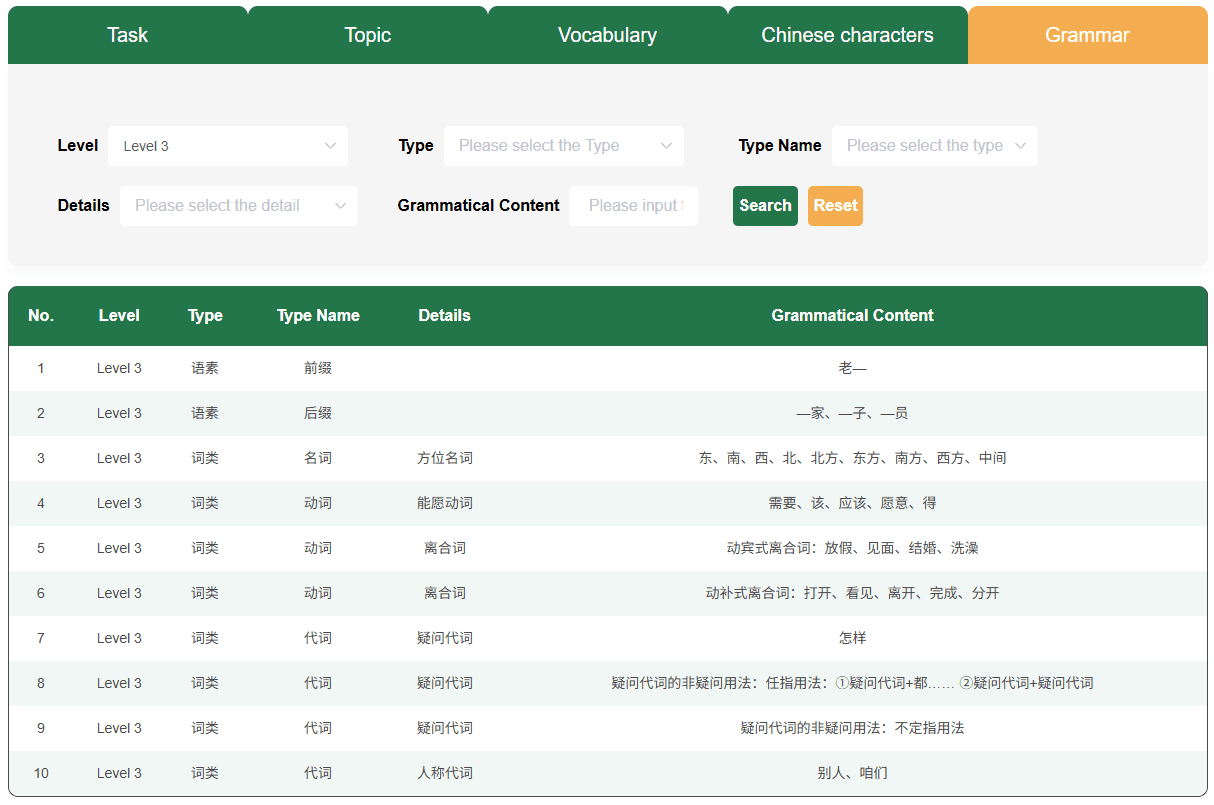
Similar to learning the vocabulary, you need to combine the official website and the textbook to get the complete picture of what grammar points you need to learn.
To cover all the grammar points, learners can refer [to the grammar section of the HSK 3 syllabus](https://www.chinesetest.cn/syllabus):
---
## What is new about HSK 3 grammar points?
HSK 3 grammar is the engine that allows you to connect ideas and add nuance. The textbook has 20 units, and each unit covers 2 - 4 grammar points, which means that compared to HSK 2, you need to master about 10 more grammar ideas.
You’ll learn how to make more flexible sentence structures with the help of , how to change aspects with , and more complicated fixed expressions like (If...then...)
Similar to learning the vocabulary, you need to combine the official website and the textbook to get the complete picture of what grammar points you need to learn.
To cover all the grammar points, learners can refer [to the grammar section of the HSK 3 syllabus](https://www.chinesetest.cn/syllabus):
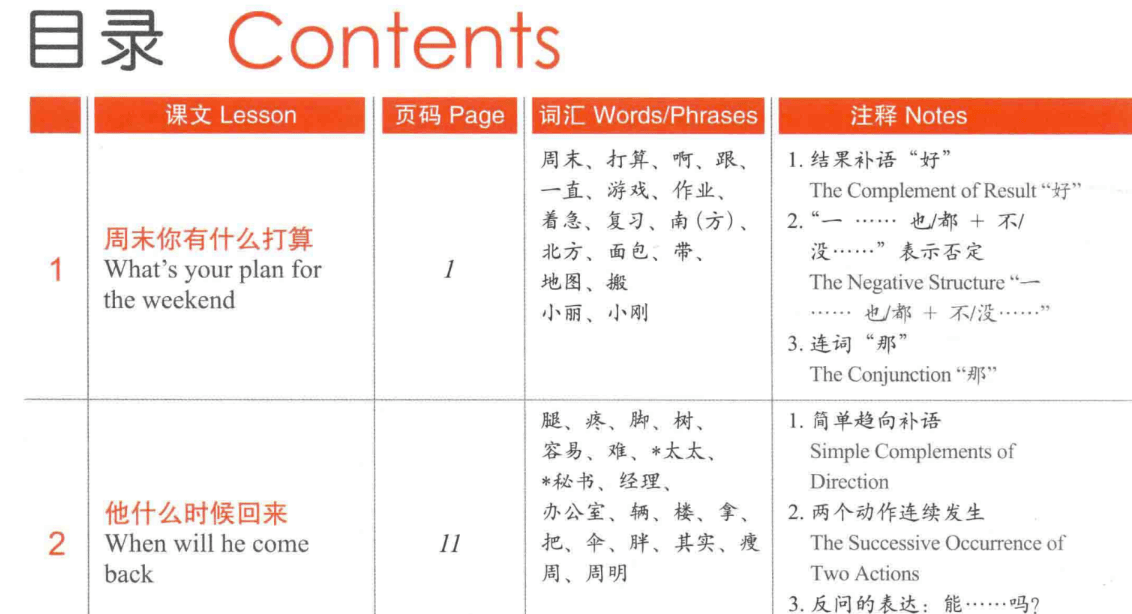
 The table of contents of [the HSK 3 textbook](https://mandrinacademy.blogspot.com/2021/07/hsk3pdf.html) also lists all the grammar points for preparation:
 ---
## Strategies for passing the HSK 3 test
To conquer HSK 3, your study strategy must evolve from memorization to application, adding the essential training for handwriting.
For vocabulary:
1. Learn new words based on the website syllabus and the textbook vocabulary appendix.
2. Use apps that allow you to create flashcards and prompt you for revision.
3. Read each word in the vocabulary list out loud and record it. Play the recording and write down the words you heard. This practice is of pivotal importance because the writing session in HSK 3 includes writing the characters based on pinyin.
For listening:
1. Finish the audio and listening practice from the HSK 3 textbook.
2. Watch Chinese videos and select some cuts to replay, and repeat after. This is part of the [immersion learning strategy](https://migaku.com/blog/chinese/chinese-immersion-learning), and learners benefit from this kind of input in the long run.
For writing:
1. Learn the[ basics about Chinese writing](https://migaku.com/blog/chinese/how-to-write-in-chinese) if you did not prepare for this session at all in HSK 1 and 2.
2. Copy the grammar sample sentences from the HSK 3 textbook when you are learning the grammar. This practice can help with the part that asks you to form sentences.
3. Cover the column that has words in the vocabulary appendix of the HSK 3 textbook, and write down the correct words based on the pinyin and explanation in the second and fourth columns. This practice can prep you properly for the writing session as well!
For test techniques:
1. Take at least 3-4 full, timed practice tests [using the sample papers](https://snmandarin.org/hsk-test-past-papers/). This is particularly important because the HSK 3 exam has a writing section, and you need to know how to finish the writing section in time.
2. Refer to [the HSK 3 test guide](https://www.chinesetest.cn/HSK/3) to know the general procedure of the exam.
---
## Make progress beyond the HSK level 3 exam!
Textbook reading is for exams, and you wish to make use of your leisure time too! Be it for reading, listening, or speaking, Migaku app can help you make full use of media resources to learn Chinese and generate Chinese subtitles even when the video does not feature any. This tool can greatly expand your pool for any kind of practice. For example, Migaku app can generate subtitles for this cut from *The Double* with the English translation. You can also click the words or sentences to add them to your flashcard collections and review them later. It is your best assistant for engaging with the media content.
1. Switch on YouTube and search for Chinese videos with the app
2. Click "Watch with Migaku", and the magic wand at the lower right corner to generate Chinese subtitles
3. Click on the new words or sentences in each subtitle and generate flashcards!
---
## Strategies for passing the HSK 3 test
To conquer HSK 3, your study strategy must evolve from memorization to application, adding the essential training for handwriting.
For vocabulary:
1. Learn new words based on the website syllabus and the textbook vocabulary appendix.
2. Use apps that allow you to create flashcards and prompt you for revision.
3. Read each word in the vocabulary list out loud and record it. Play the recording and write down the words you heard. This practice is of pivotal importance because the writing session in HSK 3 includes writing the characters based on pinyin.
For listening:
1. Finish the audio and listening practice from the HSK 3 textbook.
2. Watch Chinese videos and select some cuts to replay, and repeat after. This is part of the [immersion learning strategy](https://migaku.com/blog/chinese/chinese-immersion-learning), and learners benefit from this kind of input in the long run.
For writing:
1. Learn the[ basics about Chinese writing](https://migaku.com/blog/chinese/how-to-write-in-chinese) if you did not prepare for this session at all in HSK 1 and 2.
2. Copy the grammar sample sentences from the HSK 3 textbook when you are learning the grammar. This practice can help with the part that asks you to form sentences.
3. Cover the column that has words in the vocabulary appendix of the HSK 3 textbook, and write down the correct words based on the pinyin and explanation in the second and fourth columns. This practice can prep you properly for the writing session as well!
For test techniques:
1. Take at least 3-4 full, timed practice tests [using the sample papers](https://snmandarin.org/hsk-test-past-papers/). This is particularly important because the HSK 3 exam has a writing section, and you need to know how to finish the writing section in time.
2. Refer to [the HSK 3 test guide](https://www.chinesetest.cn/HSK/3) to know the general procedure of the exam.
---
## Make progress beyond the HSK level 3 exam!
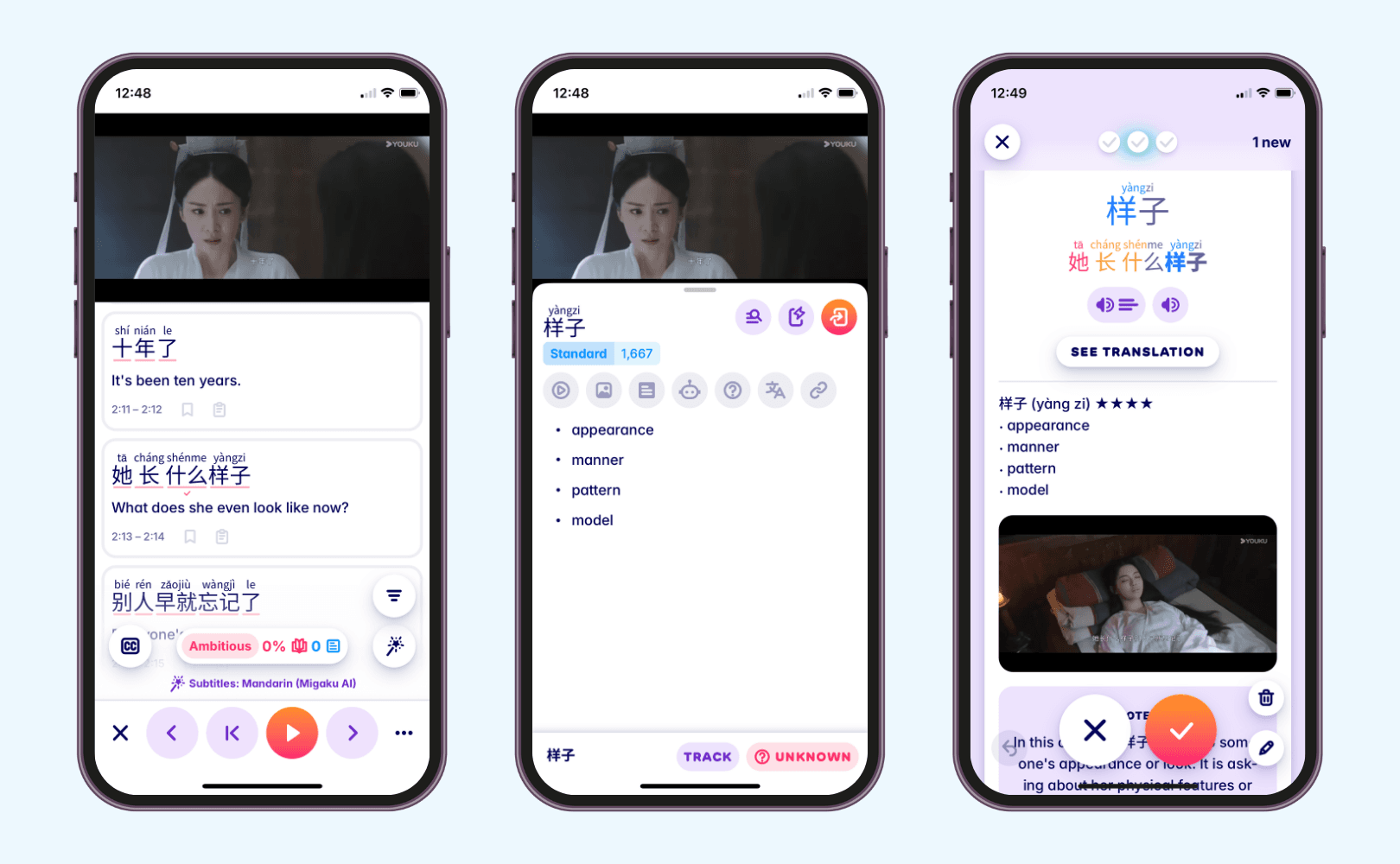
Textbook reading is for exams, and you wish to make use of your leisure time too! Be it for reading, listening, or speaking, Migaku app can help you make full use of media resources to learn Chinese and generate Chinese subtitles even when the video does not feature any. This tool can greatly expand your pool for any kind of practice. For example, Migaku app can generate subtitles for this cut from *The Double* with the English translation. You can also click the words or sentences to add them to your flashcard collections and review them later. It is your best assistant for engaging with the media content.
1. Switch on YouTube and search for Chinese videos with the app
2. Click "Watch with Migaku", and the magic wand at the lower right corner to generate Chinese subtitles
3. Click on the new words or sentences in each subtitle and generate flashcards!
 ---
## FAQs
HSK 3 is a clear step up in difficulty, introducing 600 words, longer listening passages, and a writing section. However, with 3-6 months of consistent, focused study — especially on grammar patterns, sentence connectors, and handwriting — passing is very achievable for dedicated learners. It marks the exciting leap from beginner to intermediate.
For most learners, passing HSK 3 requires 3 months of consistent study after HSK 2, that is, about 35 - 40 study hours, according to the HSK 3 textbook.
HSK website explains on the test structure page that the test is 300 points in total, and students need to score more than 180 points to pass the test.
---
## As you're climbing the HSK test ladder, more media becomes accessible to you
The most difficult and dreary part of language learning is being stuck at the beginner level. Thankfully, now you have made it to the HSK 3 level! You can understand more engaging Chinese texts and parts of what Chinese people are saying in dramas and movies. The fun of language learning lies ahead of you, with the door flung open:
> If you consume media in Chinese, and you understand at least some of the messages and sentences within that media, you will make progress. _Period_.
Embrace the new fun!
---
## FAQs
HSK 3 is a clear step up in difficulty, introducing 600 words, longer listening passages, and a writing section. However, with 3-6 months of consistent, focused study — especially on grammar patterns, sentence connectors, and handwriting — passing is very achievable for dedicated learners. It marks the exciting leap from beginner to intermediate.
For most learners, passing HSK 3 requires 3 months of consistent study after HSK 2, that is, about 35 - 40 study hours, according to the HSK 3 textbook.
HSK website explains on the test structure page that the test is 300 points in total, and students need to score more than 180 points to pass the test.
---
## As you're climbing the HSK test ladder, more media becomes accessible to you
The most difficult and dreary part of language learning is being stuck at the beginner level. Thankfully, now you have made it to the HSK 3 level! You can understand more engaging Chinese texts and parts of what Chinese people are saying in dramas and movies. The fun of language learning lies ahead of you, with the door flung open:
> If you consume media in Chinese, and you understand at least some of the messages and sentences within that media, you will make progress. _Period_.
Embrace the new fun!