# Japanese Handwriting Tips: Write Neat Hiragana, Katakana & Kanji
> Japanese handwriting is a completely different challenge from English handwriting. Master stroke order, spacing, and practice methods with useful advice.
**URL:** https://migaku.com/blog/japanese/japanese-handwriting
**Last Updated:** 2026-01-22
**Tags:** fundamentals, vocabulary, pronunciation, grammar
---
Your first attempts at [hiragana](https://migaku.com/blog/japanese/japanese-writing-practice) probably looked shaky, and [kanji](https://migaku.com/blog/japanese/anki-vs-wanikani) felt downright impossible to fit into those tiny practice boxes when [learning Japanese](https://migaku.com/learn-japanese). Neat Japanese handwriting comes down to specific techniques you can practice. This guide covers the practical methods that'll help you write hiragana, katakana, and kanji more clearly, whether you're journaling in Japanese or just want your practice sheets to look less messy.
---
## Understanding the Japanese writing system
But first off, is there a Japanese alphabet? The answer gets a bit technical. Japanese uses [three writing systems](https://migaku.com/blog/japanese/why-is-japanese-hard-to-learn) that work together: hiragana (ひらがな), katakana (カタカナ), and kanji ().
1. Hiragana and katakana are syllabaries, meaning each character represents a sound or syllable rather than a single letter. Together, these two are called kana ().
2. Kanji are logographic characters borrowed from Chinese, where each character represents a meaning or concept.
The Japanese language combines all three systems in everyday writing. You'll see hiragana for grammatical elements and native Japanese words, katakana for foreign loanwords and emphasis, and kanji for content words and concepts.
---
## Stroke order matters way more than you think
Stroke order determines how your characters look. Every hiragana, katakana, and kanji character has a specific sequence for writing each line and curve. Following the correct order creates natural flow and proper character balance.
> The basic rules work like this: write from top to bottom, left to right. Horizontal strokes generally come before vertical strokes.
When strokes cross, the horizontal stroke usually comes first. For example, the kanji 十 (juu, meaning "ten") gets written with the horizontal stroke first, then the vertical stroke through the middle.
These rules exist because they create muscle memory. Your hand learns the natural motion for each character. When you skip around or invent your own order, characters end up looking unbalanced. The spacing feels off, and the overall shape doesn't match what native writers produce.
Practice stroke order from day one with every new character you learn. Don't assume you can figure it out by looking at the finished character. Some strokes that look simple have surprising orders. The hiragana character り (ri) starts with the vertical stroke, not the curved part. The katakana ク (ku) writes the short stroke first, then the longer diagonal.
---
## Grid-based practice makes spacing consistent
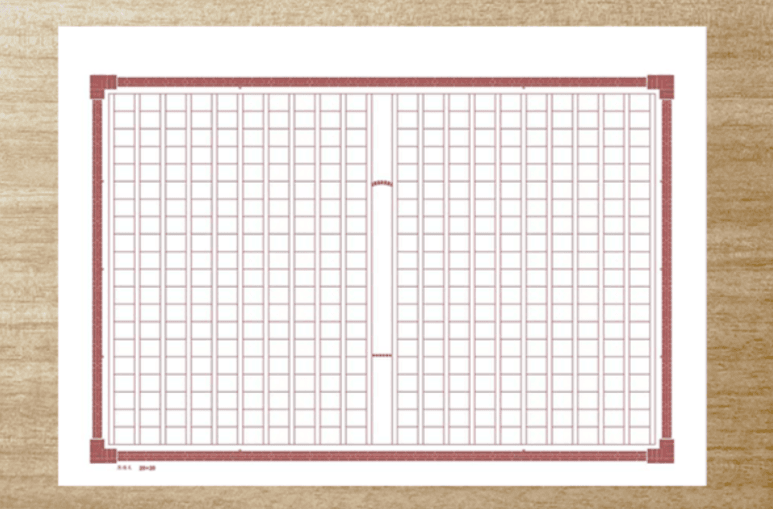
Writing on blank paper produces wobbly, inconsistent characters. Grid paper or boxes solve this problem immediately. Most Japanese students use genkouyoushi (), paper with grid squares specifically designed for Japanese writing.
Each square provides visual guides for character size and spacing. You can see exactly where the character should start and end. The grid helps you maintain consistent proportions between different parts of complex kanji.
1. Start with larger squares, around 1 cm or bigger. This gives you room to focus on stroke shapes without cramping your hand.
2. As your control improves, move to smaller grids. Standard genkouyoushi uses squares about 7-8mm, which matches typical handwriting size.
3. Practice this by lightly sketching guide marks inside your grid squares.
4. Divide complex kanji into their radicals and components, then allocate space before you start writing. With repetition, this planning becomes automatic.
 ---
## Choosing the right pen actually matters for Japanese handwriting
Your writing tool affects your results more than you'd expect. Different pens produce different line qualities, and some make Japanese characters easier to write neatly.
- **Gel pens** with 0.5mm tips are probably the most popular choice for everyday Japanese handwriting. They flow smoothly without requiring much pressure, and the line width works well for both kana and kanji. The ink dries quickly, which prevents smudging as your hand moves across the page.
- **Ballpoint pens** work fine but require more pressure. This can tire your hand during longer practice sessions. The upside is that ballpoint ink doesn't bleed through thin paper as easily.
- **Fountain pens** create beautiful line variation if you're interested in more formal writing. The thicker downstrokes and thinner horizontal strokes add character to your handwriting. They require more control though, and the learning curve is steeper.
- **Pencils** (Especially mechanical pencils with 0.5mm lead) give you the most forgiveness since you can erase mistakes. Many Japanese students use pencils for note-taking and practice. The slight friction of pencil on paper also provides good feedback for stroke control.
---
## Practice frequency beats marathon sessions
Writing Japanese characters neatly requires consistent practice, but you don't need hours every day.
> Short, focused sessions work better than occasional long practices.
1. Aim for 15-20 minutes daily rather than two hours once a week. This frequency builds muscle memory more effectively. Your hand learns the motions through repetition, and daily practice keeps those neural pathways active.
2. During each session, focus on quality over quantity. Write each character slowly and deliberately. Pay attention to stroke order, spacing, and proportion. Writing 10 characters carefully beats rushing through 50 sloppy ones.
3. Mix your practice between the three writing systems. Spend some time on hiragana and katakana even after you've learned them. These simpler characters are perfect for warming up your hand and reinforcing good habits. Then move to kanji practice, starting with simpler characters before tackling complex ones.
4. Track which characters give you trouble. Keep a list and dedicate extra practice time to your problem characters. The kanji (sho, meaning "write") has 10 strokes and a complex structure that trips up many learners. Breaking it down and practicing it repeatedly builds familiarity.
---
## Write Japanese journals and apply your skills
Copying practice characters builds technique, but journal writing teaches you to apply that technique in real contexts. Writing actual sentences and paragraphs reveals spacing issues, consistency problems, and flow challenges that don't show up in isolated character practice.
Journal writing also develops your personal handwriting style. Everyone's handwriting looks slightly different, even in Japanese. Through regular writing, you'll develop consistent character forms that are recognizably yours while remaining clear and readable.
1. Start a simple Japanese journal where you write a few sentences daily. Don't worry about complex grammar or vocabulary.
2. Write about your day, your practice session, or anything else. The content matters less than the writing practice.
3. Use genkouyoushi paper for journal writing to maintain good spacing habits.
4. Write at a comfortable pace, not rushing but not overthinking every stroke either.
5. Review your writing after each session and note which characters need more practice.
---
## Calligraphy fundamentals improve everyday writing
You don't need to become a calligraphy master, but understanding basic shodo () principles helps your regular handwriting. Calligraphy emphasizes the fundamentals that make any Japanese writing look better.
- **Brush techniques** teach you about stroke weight and variation. Even when using a pen, you can create subtle thickness changes by adjusting pressure. Downstrokes naturally get slightly more pressure than horizontal strokes, creating visual interest and proper character balance.
- **Posture** matters in calligraphy, and it matters for everyday handwriting too. Sit up straight with both feet flat on the floor. Keep your non-writing hand on the paper to steady it. Hold your pen at about a 45-degree angle to the paper, not straight up and down.
- **The concept of ma (間)**, or negative space, comes from calligraphy. This refers to the empty space within and around characters. Good handwriting balances the inked strokes with the blank space. Characters shouldn't feel cramped or have strokes too close together. Each element needs breathing room.
---
## Measuring your progress
1. Track your improvement by saving practice sheets from different dates.
2. Review old practice every few weeks to see how far you've come. The progress might feel slow day-to-day, but comparing week one to week twelve shows real improvement.
3. Take photos of your best handwriting examples and your problem characters. This visual record helps you spot patterns. Maybe your hiragana looks great but your katakana spacing needs work. Maybe certain kanji radicals consistently give you trouble.
4. Set specific goals rather than vague "get better" aims. Goals like "write all 46 hiragana characters neatly in under 5 minutes" or "complete a full page journal entry with consistent character sizing" give you concrete targets.
Anyway, if you're learning Japanese and want to practice reading real handwritten content, Migaku's browser extension and app let you look up kanji and vocabulary instantly while reading Japanese websites or watching shows with Japanese subtitles. Makes it way easier to learn from actual native content. There's a 10-day free trial if you want to check it out.
---
## Choosing the right pen actually matters for Japanese handwriting
Your writing tool affects your results more than you'd expect. Different pens produce different line qualities, and some make Japanese characters easier to write neatly.
- **Gel pens** with 0.5mm tips are probably the most popular choice for everyday Japanese handwriting. They flow smoothly without requiring much pressure, and the line width works well for both kana and kanji. The ink dries quickly, which prevents smudging as your hand moves across the page.
- **Ballpoint pens** work fine but require more pressure. This can tire your hand during longer practice sessions. The upside is that ballpoint ink doesn't bleed through thin paper as easily.
- **Fountain pens** create beautiful line variation if you're interested in more formal writing. The thicker downstrokes and thinner horizontal strokes add character to your handwriting. They require more control though, and the learning curve is steeper.
- **Pencils** (Especially mechanical pencils with 0.5mm lead) give you the most forgiveness since you can erase mistakes. Many Japanese students use pencils for note-taking and practice. The slight friction of pencil on paper also provides good feedback for stroke control.
---
## Practice frequency beats marathon sessions
Writing Japanese characters neatly requires consistent practice, but you don't need hours every day.
> Short, focused sessions work better than occasional long practices.
1. Aim for 15-20 minutes daily rather than two hours once a week. This frequency builds muscle memory more effectively. Your hand learns the motions through repetition, and daily practice keeps those neural pathways active.
2. During each session, focus on quality over quantity. Write each character slowly and deliberately. Pay attention to stroke order, spacing, and proportion. Writing 10 characters carefully beats rushing through 50 sloppy ones.
3. Mix your practice between the three writing systems. Spend some time on hiragana and katakana even after you've learned them. These simpler characters are perfect for warming up your hand and reinforcing good habits. Then move to kanji practice, starting with simpler characters before tackling complex ones.
4. Track which characters give you trouble. Keep a list and dedicate extra practice time to your problem characters. The kanji (sho, meaning "write") has 10 strokes and a complex structure that trips up many learners. Breaking it down and practicing it repeatedly builds familiarity.
---
## Write Japanese journals and apply your skills
Copying practice characters builds technique, but journal writing teaches you to apply that technique in real contexts. Writing actual sentences and paragraphs reveals spacing issues, consistency problems, and flow challenges that don't show up in isolated character practice.
Journal writing also develops your personal handwriting style. Everyone's handwriting looks slightly different, even in Japanese. Through regular writing, you'll develop consistent character forms that are recognizably yours while remaining clear and readable.
1. Start a simple Japanese journal where you write a few sentences daily. Don't worry about complex grammar or vocabulary.
2. Write about your day, your practice session, or anything else. The content matters less than the writing practice.
3. Use genkouyoushi paper for journal writing to maintain good spacing habits.
4. Write at a comfortable pace, not rushing but not overthinking every stroke either.
5. Review your writing after each session and note which characters need more practice.
---
## Calligraphy fundamentals improve everyday writing
You don't need to become a calligraphy master, but understanding basic shodo () principles helps your regular handwriting. Calligraphy emphasizes the fundamentals that make any Japanese writing look better.
- **Brush techniques** teach you about stroke weight and variation. Even when using a pen, you can create subtle thickness changes by adjusting pressure. Downstrokes naturally get slightly more pressure than horizontal strokes, creating visual interest and proper character balance.
- **Posture** matters in calligraphy, and it matters for everyday handwriting too. Sit up straight with both feet flat on the floor. Keep your non-writing hand on the paper to steady it. Hold your pen at about a 45-degree angle to the paper, not straight up and down.
- **The concept of ma (間)**, or negative space, comes from calligraphy. This refers to the empty space within and around characters. Good handwriting balances the inked strokes with the blank space. Characters shouldn't feel cramped or have strokes too close together. Each element needs breathing room.
---
## Measuring your progress
1. Track your improvement by saving practice sheets from different dates.
2. Review old practice every few weeks to see how far you've come. The progress might feel slow day-to-day, but comparing week one to week twelve shows real improvement.
3. Take photos of your best handwriting examples and your problem characters. This visual record helps you spot patterns. Maybe your hiragana looks great but your katakana spacing needs work. Maybe certain kanji radicals consistently give you trouble.
4. Set specific goals rather than vague "get better" aims. Goals like "write all 46 hiragana characters neatly in under 5 minutes" or "complete a full page journal entry with consistent character sizing" give you concrete targets.
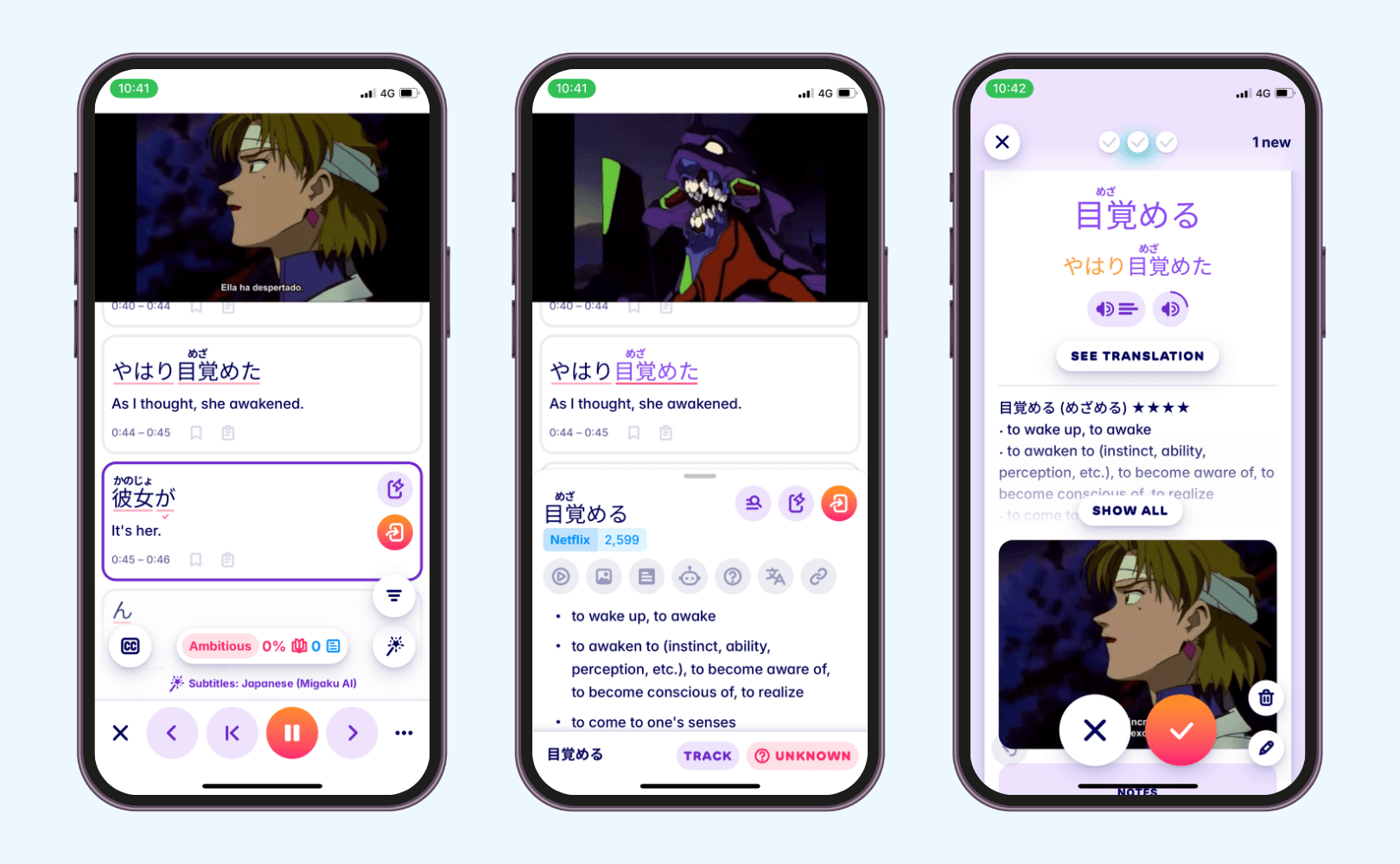
Anyway, if you're learning Japanese and want to practice reading real handwritten content, Migaku's browser extension and app let you look up kanji and vocabulary instantly while reading Japanese websites or watching shows with Japanese subtitles. Makes it way easier to learn from actual native content. There's a 10-day free trial if you want to check it out.
 ---
## FAQs
The general term is shuji (), which refers to handwriting or penmanship, while shodo () specifically means calligraphy or "the way of writing."
Both systems share kanji characters, but Japanese actually uses fewer total kanji than Chinese uses hanzi. The Japanese government's joyo kanji () list contains about 2,136 characters for daily use, while Chinese literacy requires knowledge of several thousand characters. Japanese handwriting adds the complexity of mixing three different scripts in one sentence, though.
---
## I know we all love perfect handwriting...
But don't expect perfection. Even native Japanese writers have varying handwriting quality. The goal is clear, readable writing that follows proper stroke order and spacing conventions. Your handwriting will develop its own personality, and that's fine as long as it remains legible. To make practice more effective, try copying the subtitles or other materials from the media you're using for listening or other practice.
> If you consume media in Japanese, and you understand at least some of the messages and sentences within that media, you will make progress. _Period_.
Use writing to cement your daily language intake!
---
## FAQs
The general term is shuji (), which refers to handwriting or penmanship, while shodo () specifically means calligraphy or "the way of writing."
Both systems share kanji characters, but Japanese actually uses fewer total kanji than Chinese uses hanzi. The Japanese government's joyo kanji () list contains about 2,136 characters for daily use, while Chinese literacy requires knowledge of several thousand characters. Japanese handwriting adds the complexity of mixing three different scripts in one sentence, though.
---
## I know we all love perfect handwriting...
But don't expect perfection. Even native Japanese writers have varying handwriting quality. The goal is clear, readable writing that follows proper stroke order and spacing conventions. Your handwriting will develop its own personality, and that's fine as long as it remains legible. To make practice more effective, try copying the subtitles or other materials from the media you're using for listening or other practice.
> If you consume media in Japanese, and you understand at least some of the messages and sentences within that media, you will make progress. _Period_.
Use writing to cement your daily language intake!