Common Korean Idioms: Meanings and Usage Guide to Everyday Korean Idioms
Last updated: March 15, 2026
Korean idioms are one of those language features that make you sound way more natural when you're chatting with native speakers. They're packed with cultural references, food metaphors, and surprisingly practical wisdom. If you've been learning Korean for a while and want to move beyond textbook phrases, getting comfortable with common idioms will level up your conversations pretty quickly. Let's dig into some of the most useful Korean idioms you'll hear in everyday situations.
What are idioms in Korean
A Korean idiom is basically a phrase where the meaning goes beyond what the individual words literally say. Just like in English when we say "it rained cats and dogs" (Nobody expects actual animals falling from the sky), Korean idioms use creative imagery to express ideas that would sound boring if you said them directly.
The Korean language has tons of these expressions, and they fall into a few categories. Some are traditional proverbs passed down through generations, while others are everyday sayings that Koreans use without thinking twice. The literal translation often sounds totally bizarre in English, which is exactly what makes them fun to learn.
Here's the thing about Korean idioms: they reveal a lot about Korean culture. You'll notice many involve food (especially rice and rice cake), animals, body parts, and family relationships. Understanding these cultural references helps you grasp not just what Koreans are saying, but how they think.
Common Korean idioms for beginners
If you're just starting to learn Korean idioms, these are the ones you'll hear most often. I've picked expressions that actually come up in regular conversations, so you can start using them right away.
식은 죽 먹기 (sigeun juk meokgi)
Literal translation: "Eating cold porridge."
This idiom means something is super easy, like a piece of cake in English idioms. Cold porridge is soft and requires zero effort to eat, so Koreans use this when talking about tasks that take no skill at all. You might hear someone say "That test was like eating cold porridge" when they aced an exam without studying much.
눈이 높다 (nuni nopda)
Literal translation: "Eyes are high."
When someone has high eyes, it means they have high standards or are picky. This saying works for dating (someone who only wants to date models), shopping (won't settle for cheap stuff), or pretty much any situation where someone is choosy. The literal meaning actually makes sense once you think about it, looking down from a high position at everything below.
그림의 떡 (geurimui tteok)
Literal translation: "Rice cake in a picture."
This Korean idiom describes something you want but can't have. Rice cake (떡) is delicious, but if it's just in a picture, you can't eat it. Use this idiom when talking about that dream job you're not qualified for, or the expensive car you can't afford. Pretty relatable, honestly.
발이 넓다 (bari neolda)
Literal translation: "Feet are wide."
Someone with wide feet knows people everywhere and has tons of connections. This Korean expression is a compliment, describing someone who's well-connected and social. If your friend knows someone at every restaurant and club in town, they've got wide feet.
손이 크다 (soni keuda)
Literal translation: "Hands are big."
Big hands mean someone is generous, especially with food portions or gifts. Korean grandmas often have big hands because they pile your plate high with food. You can also use this to describe someone who spends money freely or gives generous presents.
Learn Korean idioms about food
Koreans love their food, so naturally, tons of idioms involve eating. These expressions show up constantly in everyday conversations.
떡 줄 사람은 생각도 않는데 김칫국부터 마신다 (tteok jul sarameun saenggakdo anneunde gimchitgukbuteo masinda)
Literal translation: "Drinking kimchi soup before anyone even thinks about giving you rice cake."
This long proverb warns against counting your chickens before they hatch. Kimchi soup goes well with rice cake, but you're already drinking the soup when nobody promised you any rice cake yet. Koreans use this when someone assumes something will happen without any real evidence.
공짜 점심은 없다 (gongjja jeomsimeun eopda)
Literal translation: "There's no free lunch."
Okay, this one is basically identical to the English version. Nothing in life comes free, someone always pays somehow. This saying reminds people that favors come with strings attached and easy opportunities usually have hidden costs.
누워서 떡 먹기 (nuwoseo tteok meokgi)
Literal translation: "Eating rice cake while lying down."
Another rice cake reference! This means something is extremely easy, even easier than eating cold porridge. You're so relaxed, you can do it lying down. The Korean language really loves using food to describe difficulty levels.
Korean idiomatic expressions about animals
Animal metaphors appear frequently in Korean expressions, each creature representing different personality traits.
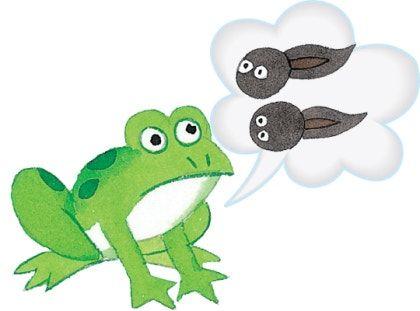
개구리 올챙이 적 생각 못한다 (gaeguri olchaengi jeok saenggak mothanda)
Literal translation: "The frog can't remember being a tadpole."
This proverb criticizes people who forget their humble beginnings after becoming successful. Like a frog that doesn't remember struggling as a tadpole, some people forget what it was like to be poor, inexperienced, or struggling once they've made it.
호랑이도 제 말 하면 온다 (horangido je mal hamyeon onda)
Literal translation: "Speak of the tiger and it will come."
This is Korea's version of "speak of the devil." When you're talking about someone and they suddenly show up, you'd use this idiom. Tigers were the scary predators in Korean culture, so mentioning one supposedly made it appear.
고래 싸움에 새우 등 터진다 (gorae ssaumie saeu deung teojinda)
Literal translation: "When whales fight, the shrimp's back bursts."
This Korean idiom describes innocent bystanders getting hurt when powerful people fight. The shrimp (small, weak) gets crushed when whales (big, powerful) battle. You'll hear this in political discussions or workplace drama when regular people suffer from conflicts between leaders.
낮말은 새가 듣고 밤말은 쥐가 듣는다 (nanmareun saega deutgo bammareun jwiga deunneunda)
Literal translation: "Birds hear daytime words, mice hear nighttime words."
This proverb warns that someone is always listening, so watch what you say. Even your secrets might reach the wrong ears. It's similar to "walls have ears" in English.
원숭이도 나무에서 떨어진다 (wonsungido namueseo tteoreojinda)
Literal translation: "Even monkeys fall from trees."
Everyone makes mistakes, even experts in their field. A monkey is amazing at climbing trees, but even they slip sometimes. Use this idiom to comfort someone who messed up or to humble yourself after an error.
Idioms about body parts in Korean language
Koreans reference body parts constantly in their expressions, and the imagery is usually pretty creative.
귀가 얇다 (gwiga yalpda)
Literal translation: "Ears are thin."
Thin ears mean someone is gullible and easily influenced by what others say. Information passes through thin ears too easily. This saying describes people who believe everything they hear or change their minds based on the last person they talked to.
입이 무겁다 (ibi mugeopda)
Literal translation: "Mouth is heavy."
A heavy mouth belongs to someone who keeps secrets well. Their mouth is so heavy it stays shut. The opposite, 입이 가볍다 (light mouth), describes someone who can't keep a secret and gossips constantly.
손이 발이 되도록 빌다 (soni bari doedorok bilda)
Literal translation: "Beg until hands become feet."
This dramatic expression means begging desperately for something. You're begging so hard and so long that your hands turn into feet from all the bowing and pleading. Koreans use this when describing really intense apologies or requests.
Tips for using Korean idioms naturally
- Start with the shorter, simpler idioms before attempting the long proverbs. Expressions like "눈이 높다" or "손이 크다" are easier to remember and use than the multi-clause sayings.
- Pay attention to how native speakers use these expressions when you're watching Korean shows or listening to podcasts. Notice the situations where idioms come up naturally. Context teaches you more than memorizing definitions.
- Practice using one new Korean idiom per week in your language exchanges or writing practice. Don't try to cram dozens at once. Let each expression become natural before adding another. Quality beats quantity when you're trying to sound fluent.
Anyway, if you want to actually practice these idioms with real Korean content, Migaku's browser extension and app let you look up expressions instantly while watching shows or reading articles. Makes learning from context way more practical. There's a 10-day free trial if you want to check it out.

Korean idioms pop up naturally in casual conversations between native speakers
The key is understanding context. Some idioms work better in specific situations. Korean entertainment, from dramas to variety shows, uses idioms constantly. Subtitles often translate them into English equivalents, which means you lose the cultural flavor. When you recognize the actual Korean expression being used, you catch jokes and references that translations can't capture.
If you consume media in Korean, and you understand at least some of the messages and sentences within that media, you will make progress. Period.
Learning idioms makes the language more fun and less like a chore.