Seoul National University Language Education Institute: Program Review
Last updated: May 23, 2026
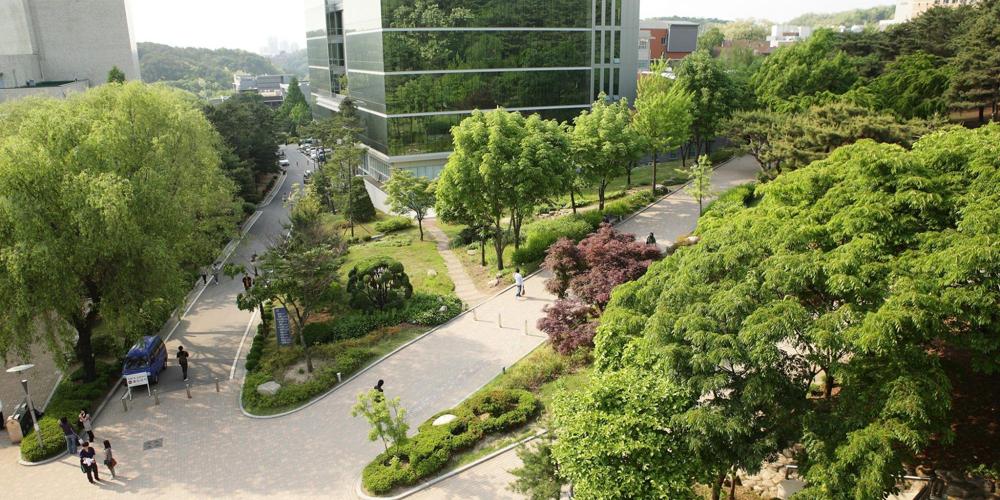
Seoul National University's Language Education Institute (LEI), through its Korean Language Education Center (KLEC), runs one of Korea's oldest and most academically respected Korean language programs, with year-round intakes, D-4 visa sponsorship for the Regular track, and class sizes of roughly 12 to 15 students. This review walks through what the program actually offers in 2026, who it's right for, what it costs, and the procedural traps that trip up new applicants.
Last updated: May 23, 2026
What SNU LEI Actually Is
The Language Education Institute is the umbrella unit at Seoul National University that houses the Korean Language Education Center (KLEC). KLEC's flagship offering is the Korean Language & Culture Program (KLCP), first developed in 1969. Per SNU's official figures, more than 28,000 students from over 90 countries have graduated from the program, and annual enrollment sits around 3,000 students.
The institute is located on the Gwanak campus in southern Seoul (Building #137, Room 101, Gwanak-gu), the same campus where SNU's degree students study. That matters in practice: you'll be commuting to a working research university, eating in the same canteens as Korean undergrads, and using the same library system if you sign up for it.
KLEC offers several distinct tracks, and choosing the right one is the single most important decision an applicant makes. The Regular Program is the only track that issues a D-4 student visa. The 13-Week Program, Evening Class, and 3-Week Intensive all require you to already hold a valid visa.
Programs at a Glance
Here is how the main tracks compare, based on the current KLEC course pages.
Program | Length | Hours | Schedule | Visa Sponsored |
|---|---|---|---|---|
Regular (Morning) | 10 weeks | 200 hrs total | Mon–Fri, 9:00–13:00 | Yes (D-4) |
Regular (Afternoon) | 10 weeks | 200 hrs total (20/week) | Mon–Fri, 13:30–17:30 | Yes (D-4) |
13-Week Program | 13 weeks | 117 hrs | Mon, Wed, Fri 9:00–12:00 | No |
Evening Class | 10 weeks | 6 hrs/week | Mon & Thu, 18:30–21:30 | No |
3-Week Intensive | 3 weeks | Short-term | Daily | No |
All Regular Program students are placed into levels 1 through 6 based on their command of Korean, with a placement test for anyone above pure beginner. The four sessions (Spring, Summer, Fall, Winter) run consecutively, so it is possible to study a full year by stacking four 10-week terms, which is the most common path for serious learners on D-4 visas.
Tuition, Application Fees, and What You Actually Pay
Application fees are non-refundable and vary by track:
- Regular Program: 60,000 KRW
- Evening Class: 30,000 KRW
- Short-term programs: varies
Tuition figures referenced in SNU's own partner-school documentation for the program guides are:
- Regular Morning Class: 1,500,000 KRW per 10-week session
- Regular Afternoon Class: 1,350,000 KRW per 10-week session (10% cheaper than morning)
- Evening Class: 540,000 KRW per session
A word of caution: LEI explicitly states tuition is subject to change every semester, and if the institute raises tuition between your initial payment and the start of class, you must pay the difference. Always confirm the current figure directly with KLEC before budgeting. The official LEI tuition page is the only definitive source.
For SNU exchange students specifically, the Office of Global Affairs reimburses between 30 and 50 percent of KLP tuition (for Spring or Fall sessions) within two months of the SNU semester start, provided the program is completed. No reimbursement is issued if registration is cancelled before the program ends. KLP credits (3 to 6 depending on lecture hours) are counted as extracurricular and do not count toward the 18-credit per semester maximum for exchange students.
Document Checklist
For a Regular Program application via the online portal at lei.snu.ac.kr, you'll need:
- Online application form (no email or in-person submissions are accepted)
- Official academic transcript or graduation certificate from your most recent school
- Copy of current passport (information page and visa page if applicable)
- Application fee payment (60,000 KRW, non-refundable)
- Passport-style photo (per the portal's specs)
- Financial documentation if applying for the D-4 student visa
For Evening Class applicants, eligibility requires a high school diploma (or equivalent) and a valid visa already in hand. The institute does not process visas itself in any case; it issues the Certificate of Admission, and you take that to a Korean embassy or consulate (or to immigration if changing status from inside Korea).
Application Steps
- Pick your track and session. Decide between Regular (D-4 eligible), 13-Week, Evening, or 3-Week Intensive. If you need a visa, the Regular Program is the only path.
- Apply online during the application window. All applications go through lei.snu.ac.kr. No exceptions.
- Pay the application fee at submission. It is non-refundable regardless of outcome.
- Receive the admission decision and your Certificate of Admission.
- Pay tuition by the deadline. For new students, the tuition payment deadline is Friday eight weeks before classes begin. Miss this and your seat is gone.
- Apply for your D-4 visa at the nearest Korean consulate using the Certificate of Admission, financial documents, and the standard D-4 paperwork. Processing times vary by consulate.
- Arrive, register, and place into a level. A placement test sorts students into levels 1 to 6.
The KLEC office can be reached at +82-2-880-5488 or +82-2-880-8570, or by email at [email protected].
Schedule, Workload, and Class Experience
A Regular Program week is dense. Morning students attend Monday through Friday from 9:00 AM to 1:00 PM, four hours of instruction a day, 20 hours per week, 200 hours per 10-week term. Expect roughly two to three hours of homework on top of class for the first few levels, and more once you hit grammar-heavy intermediate material.
Classes are small, typically 12 to 15 students, and the cohort tends to be internationally mixed: students from China, Japan, Southeast Asia, the US, Europe, and Central Asia are all common. The instructional approach is communicative and textbook-anchored, using SNU's in-house textbook series, with all instruction conducted in Korean from level 1 onward. Teachers will use English sparingly in level 1 but expect a fast pivot.
The Afternoon Regular class covers the same curriculum at a 10% discount. It runs 13:30 to 17:30 Monday through Friday. Switching between morning and afternoon Regular classes is only possible until Friday, two weeks before the session starts.
The 13-Week Program is lighter (three mornings a week, 117 hours total) and well-suited to people already living in Korea on a spouse visa, working holiday visa, or F-series residence.
Housing: Dormitories and Alternatives
KLEC students can apply for SNU on-campus dormitory housing, though rooms are limited and allocated on a first-come, first-served basis. Third-party guides aggregating SNU LEI dorm pricing list a range of roughly 552,000 KRW to 1,650,000 KRW per semester depending on room type, but the official KLEC dormitory page should be checked for current allocations and pricing for your specific term.
Most students who don't get dorm placement rent a goshiwon, one-room officetel, or share-house in the Sillim, Bongcheon, or Nakseongdae neighborhoods near the Gwanak campus. Monthly rent in these areas typically runs lower than central Seoul, and the metro line 2 connects Nakseongdae station to most of the city.
Refunds, Deferrals, and Withdrawals
This section trips up many international students, so read it carefully.
- No-shows. Students who do not attend class within the first week of the semester have their registration automatically cancelled, with 80% of tuition refunded.
- Refund timing. Approved refunds are deposited within 20 business days of receipt of the refund application.
- Visa cancellation. After applying for refund or deferral, the D-4 student visa is cancelled within two weeks. Plan your exit or status change accordingly.
- Deferral. You may defer registration to the following semester only once. The deferral application must be submitted by Sunday of the first week of the term.
- Transfer restriction. Per Korean government policy referenced by LEI, after admission cancellation at KLEC, it is not possible to transfer to another school. This is a serious consequence for D-4 holders who change their mind mid-term.
Common Pitfalls
- Assuming all tracks issue visas. Only the Regular Program does. The 13-Week, Evening, and 3-Week Intensive all require an existing visa.
- Missing the 8-week tuition deadline. New students must pay tuition by Friday eight weeks before the term begins. Late payments forfeit the seat.
- Underestimating the morning workload. Twenty hours a week of in-class Korean is demanding. Part-time work on a D-4 visa is restricted in the first six months and requires a separate permit afterward.
- Skipping daily review. SNU's curriculum moves quickly. Students who don't review vocabulary and grammar between classes fall behind within two weeks.
- Ignoring the tuition-increase clause. Tuition can change between application and start, and the institute can require additional payment.
- Cancelling after admission. It is impossible to transfer to another Korean language school after KLEC admission cancellation.
Who SNU LEI Is Right For
The program suits academically minded learners who want structure, fast progression, and the credibility of a top-tier university name on their transcript. If your goal is to enter an SNU graduate program, sit the TOPIK at a high level, or work in Korea long-term, the Regular Program is a strong fit. If you prefer a slower pace, more conversational focus, or evening study around a job, the Evening Class or 13-Week Program are gentler options.
It is less ideal for travelers wanting a casual cultural experience. The pace, attendance requirements, and homework load are real. Students looking for a relaxed introduction to Korean often find programs like KLCC or private hagwons more forgiving.
FAQs
Does SNU LEI issue a D-4 student visa?
Yes, but only for the Regular Program. Other tracks require an existing valid visa.
Can I apply by email or in person?
No. Applications are accepted only online through lei.snu.ac.kr.
What documents do I need to apply?
An official academic transcript or graduation certificate from your most recent school and a copy of your current passport, alongside the online form and application fee.
What happens if I skip the first week of class?
Your registration is cancelled automatically and 80% of tuition is refunded. Refunds are processed within 20 business days.
Can I switch from morning to afternoon class after starting?
Only until Friday, two weeks before the session begins.
Can I transfer to another Korean language school if I cancel?
No. Korean government policy referenced by LEI states transfer is not possible after admission cancellation at KLEC.
How many students are in each class?
Approximately 12 to 15.
Is there a placement test?
Yes. Students are placed into levels 1 through 6 based on command of Korean.
Useful Reading for Korea-Bound Learners
If you're heading to Seoul to study at LEI, a few related guides may help with the transition: a primer on Korean Slang Words and Gen Z Terms for the language your classmates actually use outside the textbook, a guide to the E-7 Specialty Visa in Korea if you're thinking past the D-4 toward longer-term work, and some thoughts on Language Learning for Introverts if the prospect of speaking up in a 15-person classroom is intimidating.
If you want to keep building Korean outside of class with K-dramas, YouTube, and the kind of native content your SNU classmates actually watch, Migaku for Korean is built for that.