英会話学校では教えてくれない英語の悪口〜ネイティブが使う表現・単語〜
Last updated: May 29, 2025
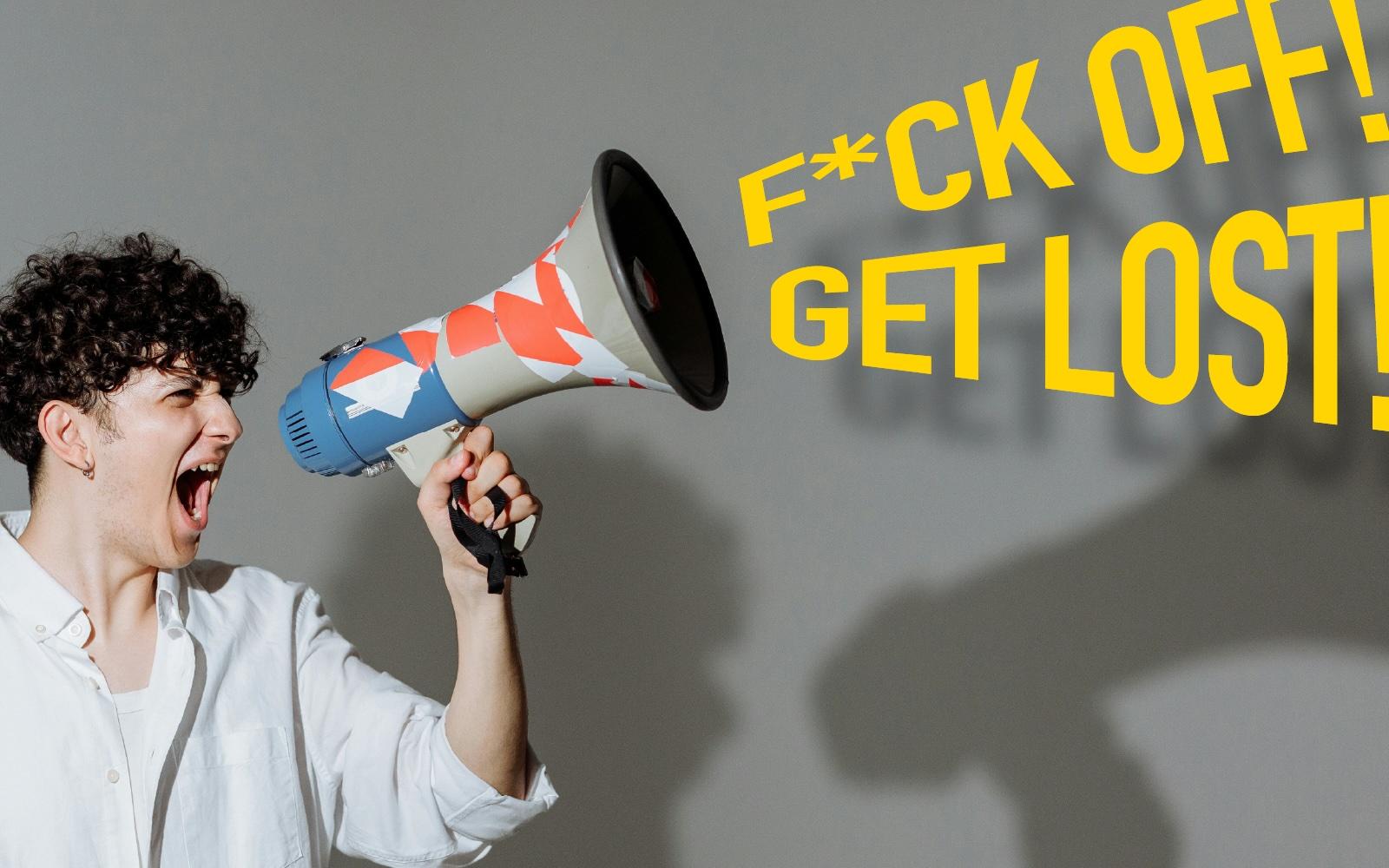
映画やドラマを見ていると、必ずと言ってもいいほど耳にする英語の悪口。
"Shit"や"fuck"といった言葉を知っている方も多いのではないでしょうか?
ただ、よく耳にするこれらの悪態も、使う相手やシチュエーションによっては「言ったらまずい言葉」でもあります。「ピー音が入る言葉」といえば、イメージしやすいかもしれませんね 😅
実は英語には「ピー音が入る悪口」以外にも、これだったら大人でも子供でも使っても OK なマイルドな「悪い言葉」があるんです!
今回は、そんな辛口な英語表現から、英会話学校では教えてくれない放送禁止用語まで、ネイティブも実際に使う悪態をご紹介します 🤐
「まじかよっ!」と思うようなことや、悔しいとき、「もうやってらんねー!!」そんな気持ちを英語で表現できるようになっちゃいましょう!
⚠️ はじめに:英語で悪口を言う前に知っておきたいこと。
悪口を使う時には、相手やシチュエーションをしっかり見極めてから、言葉選びをすることが大事。いくら「流行のスラング」としてよく使われている言葉でも、相手によっては傷つけてしまうこともあるので気をつけましょう!
- ⚠️ 相手やシチュエーションを見極める
- ⚠️ 言葉/フレーズの意味やニュアンスを理解する
- ⚠️ 時代の流れや社会の変化を意識する
- ⚠️ 文化背景を考慮する
- ⚠️ 相手の気持ちを考えた言葉選び
特に外国語だと、母国語よりも言葉の意味やニュアンスの理解が曖昧になってしまう事もあるので、まずは、それぞれの言葉の意味を覚えて「実は言ったらまずい言葉を知らずに使ってしまった!」ということがないように注意しましょう。
英語は世界共通語とも言われるほどなので、多種多様なバックグラウンドの人たちと話す機会もあると思います。アメリカでは OK な言い回しも、他の文化背景をもつ環境では NG なことも…。
ドラマや映画で聞き慣れた「悪口」も、時代や社会の変化によって今は使ってはいけない表現になっていることもあります。
特に、差別的な意味合いを持つ言葉には気をつけてください!
「悪口」に限らず、常に新しい情報にアンテナを張りながら、言い回しやフレーズの選び方には気を配り、日本語を話すように「言霊」を忘れずに、相手の気持ちを考えた言葉選びを心がけましょう!
そもそも英語で「悪口を言う」ってどう言うの?
「悪口」として使われる英単語やフレーズに入る前に、
そもそも「悪口を言う」って英語でどう表現するのか例文を使って見ていきましょう。
- “I heard her talking behind your back!"
あの人、あなたの噂してるの聞いちゃったよ!
→ 🤫 直訳すると「背中の後ろで話している」、つまりは陰口という意味合いのフレーズです。例えば、職場で仲良い同僚について、誰かが噂話しているのを小耳に挟んじゃった時など、友達に「○○ が、あなたについて陰口言っているの聞いちゃった!」とと伝える時に使えます。
- “I talk crap about my relationship all the time, don’t I?"
私って、いつも自分の恋愛の愚痴ばっかり言ってるよね…
→ 💩 “Talk crap"や"Talk shit"は、誰かや物事について悪口を言ったり、嫌なことを話す時に使います。似たような表現に"Trash-talk"があり、「ゴミ」を意味する"trash"を使って、「〜の悪口を言う」という意味で使われます。
- “Don't throw me under the bus!"
私のせいにしないでよっ!
→ 🚌 そのままの和訳は「バスの下に投げる」ですが、これは誰かがミスをあなたのせいにしたり、自分が得するために誰かを裏切る行為などを指す表現です。言い訳っぽく、"I didn’t mean to throw you under the bus."、「裏切るつもりはなかったんだけど…」というニュアンスで使うこともあります。
ネイティブがよく使う英語の悪口:言葉と表現一覧
😤 大人も子供も OK な「ちょっと悪い」英単語!
- Darn
ちくしょー!
→ “Damn!" (くそっ!)をマイルドにした言葉で、「ちょっとミスった!」といったシチュエーションで使われます。例えば、「ゴミ出し忘れた!」など、ちょっと失敗した時に“Darn it!"と言ったりします。
- Heck
まじかっ!?
→ “Hell!" (まじで、くそっ!)を和らげた表現で、驚きや困惑を表現する時に使えます。例えば、カフェに着いたら定休日だった…というような時に"What the heck!?"と言ったり、思い通りにいかなかった時などに使います。
- Shoot
やっちまったー!
→ “Shit" (くそっ!)をマイルドにした表現で、例えば、家を出てから財布を忘れて「あー、やっちゃった!」という場面や、コーヒーをこぼして「うわー…」など、ミスや失敗をした時に使います。
🤐 使う相手を選ぶ「ピー」ってならないけど立派な悪口!
- “Hell"
くそ!
→ 直訳すると「地獄」を意味しますが、カジュアルで軽いノリの悪態として使われることがあります。映画やドラマでは、ピー音なしで使われているのを耳にすることも多いですが、強い表現で、れっきとした「悪態」であることには変わりません。フォーマルな場で使うのは避けましょう 😅
たとえば…👇
- "What the hell!?"
くっそー!まじかよーーー!? - “Hell no!"
絶対無理!! - “Damn"
ちくしょー!
→「呪う」という意味の単語がスラングになったものなので、かなり強い感情を表す言葉!悔しい気持ちや、不満、とてもイライラした時に使われたりする言葉です。
たとえば…👇
- “Damn it! I forgot my keys!"
しまったー!鍵忘れちゃったよー! - “It’s too damn hot outside."
外、クソ暑すぎる! - “Crap"
くそ!
→ ウンコを意味する英単語 💩 もちろん、ビジネスシーンやフォーマルな場面では絶対に使わないようにしましょう!同じ 💩 でも、"Shit"は完全なる放送禁止用語ですが、 “crap"はピー音なしで耳にすることもある表現です。
- “Wanker"
馬鹿野郎
→ イギリス英語で主に使われる「マスかき野郎」という意味のスラング です 🫢 親しい仲だと相手をイジるニュアンスで使われたりしますが、かなり下品なワードなので、放送禁止用語ではないのですが、職場や目上の人には絶対に使わないように注意しましょう!😅
🤬 罵倒する言い方は"Fuck"だけじゃない!
- Shit
くそ!
→ これは、完全に放送禁止用語!かなり強い感情を表現するために使われることが多いワードですが、本当に場所と相手を選ぶ言葉です。どんなシチュエーションでも無意識に使わないように気をつけて!
- Fuck
くそ!
→ 英語の中でも最も「悪い」言葉の一つ。映画やドラマではよく耳にしますが、本当に親しい友達とのカジュアルな会話以外では使わない方が賢明です!🫢
- Asshole
クソ野郎
→「Ass = ケツ」 + 「hole = 穴」、この組み合わせの言葉といえば伝わりますか?🫣 誰かに"You’re an asshole" (あんた、マジくそ。)なんて言ってしまった日には… かなりヤバいレベルの侮辱表現です。
- Dickhead
バカヤロウ
→ “Asshole"と同じで侮辱レベル MAX!な悪口 🤬。例えば、友達が彼氏にひどいフラれ方をした時に、怒りと同情を込めて"He’s such an asshole!" (あいつ、くっそ馬鹿野郎!)と使うこともあります。使う場所にはくれぐれも注意!
🤬 「あいつ、まじうざくね?」的に人をバカにする英語
同じ趣味や共通の話題を持つことで距離が縮まることがありますよね。でも、「あいつ、まじうざくね?」や「人の噂話や芸能人のゴシップで誰かと仲良くなった」、「学校で先生の悪口を言ってクラスメートと仲良くなった」なんて経験はありませんか?😅
悪口を言わなくても、秘密を共有することで、「共犯者意識」のようなものが芽生え、話し相手との距離がグッと縮まることもありますよね!
もちろん、Migaku は人の悪く言うことや陰口を推奨しているわけではありませんが、「あるある」なシーン例に、実際の英会話で「ね〜ね〜、あの人まじうざいんですけど!」はどう言うのか、ネイティブの会話を少し覗いてみましょう 🫣
- “They're such a drama queen!"
あの人、いつも本当に大げさだよね…
→ もちろん"You're such a drama queen"(あんた、いつも大げさなんだから〜!)と、友だちに対して言ったりもします 😳
- “They are so delulu."
あいつら、脳内お花畑!
→ "Delusional" (妄想)という単語から進化したスラングで、今まさに流行っている言葉。SNS でよく見かけることも多いので、覚えておくと便利かも? 🤫
- “They gave me the ick!"
一瞬で冷めたー!
→ 気になる人と食事をしたら、クチャラーだったことが判明し、「気持ち悪っ、あり得ない!」と感じた時に使うスラング。直訳すると「虫が湧いたような感じ」という意味もあるので、嫌な気持ちを表す時にぴったり 🤮
- “That’s cringe"
それドン引きっ!
→ 日本語でいうところの「イタい」や「ドン引き」に近いニュアンスのスラングです。例えば、ユーチューバーがちょっとやりすぎな企画をしている動画を見た時などに使えるフレーズです。
- "You’re full of rubbish!"
あんた、ほんとくだらねー!
→ 直訳すると「ゴミ」を意味する英単語。イギリス英語特有のスラングです。単体で「ゴミ」という意味になりますが、このように"You’re full of rubbish!"と使うことで、相手をバカにする悪口に!英語圏でも国や文化背景によって「悪態」の使い方にバリエーションがあるので、ちょっとした豆知識として覚えておくと面白いかも。
※⚠️ 使う人は自己責任で!決して人の悪口を推奨しているわけではありません 😅
🧐 実はポジティブな意味でも「汚い英語」を使う?
日本語でも、ポジティブなニュアンスで「やばい!」って言ったり、愛情表現として「バーカ!」と言ったり、超絶美味しいものを食べて「くっそうまい!」って使ったりすることありますよね?😅
それと同じように、英語の「悪口」や「汚い言葉」、ネガティブな意味を持つ言葉でも、ポジティブな意味で使われることがあるんです。実際にどのように使われるのか、例文を見てみましょう!
- “That’s fucking amazing!"
それ、まじ最高じゃん! - “He’s damn fine!"
彼ってホント、イケメン! - “That’s the shit!"
それ最強にイケてる! - “This music is hella good!"
この音楽、超絶クール!
例えば、とても仲の良い友達がサプライズで誕生日パーティーを企画してくれた時などに、驚きと感動を表現するフレーズとして “What the fuck!?" と言うこともあります。ただし、どれも「悪い言葉」を使っていることに変わりはないので、TPO には気をつけて!
👂 耳から覚える英語の「悪口」言い方〜スラングやフレーズをドラマからご紹介〜
映画などを観ていると、けっこうな頻度で登場する「英語の悪口」😈
なにげなく聞き流してたセリフ、実はめちゃくちゃ辛辣なこと言ってた…!?なんてことも。
学校では習わないようなスラングやちょっとした悪口も、登場人物たちのリアルなやりとりの中で耳にすると、ニュアンスごと楽しみながら覚えられるのもいいところ。
リアルな英語の“悪口表現"を一緒にのぞいてみましょう 👇
😱 "What the hell!?"

- MCGINTLEY: "What the hell are you doing?"
あんたら何やってるんだよ! - JAKE: "Fire extinguisher roller chair derby."
消化器を使ってオフィスチェアレース開催してまーす。
💬 "What the hell" は、相手の行動に驚いたり、イラッとしたときのリアクションフレーズ。
「は?どういうこと!?」みたいな感じで、びっくり+ツッコミにも使われます。
このシーンでは、ジェイクが署内で消火器を使ってイタズラしてるのを見た上司が、あきれ&怒りまじりで放ったひと言。
🖕 "Fucking lying to me!"

- MAEVE: "Fucking lying to me!"
ウソつき! - SEAN: "Fuck off. I said I'm not."
やめろよ!(ドラッグ)使ってないって!
💬 Maeve の兄 Sean に対する怒りがピークに達した時に放った、『SEX EDUCATION』からのセリフ。
ここでの “fucking" は「ウソをつかれた」ことへの怒りや裏切られた気持ちをさらに強調するために使われています。
このように、fucking + 動詞/形容詞/名詞で、怒っているときだけじゃなく、驚き・悲しみ・喜びなど、さらに強調したいときに幅広く使われます。
たとえばこんなふうに!
- “I’m so fucking tired."
マジで疲れた。 - “This is fucking amazing!"
これクソ最高! - “You fucking scared me!"
びっくりさせんなよ!
🙄 "Mediocre"

単語そのものが「悪口」でなくても、言い方次第では皮肉や罵倒する時に使われちゃったりもします 👇
- "Archie Andrews, is that why you became a mediocre musician overnight?"
「アーチー・アンドリューズ、あんたが一夜にしてつまらないミュージシャンになったのって、そういうことだったのね?」
💬 "Mediocre" は辞書的には「並みの」「平凡な」という意味ですが、この使われ方だと完全にディスってますよね 😳 言い方ひとつで、じわじわ刺さる系の悪口にもなってしまうのが英語のおもしろいところ!
💡 気になる英語の表現も、お気に入りのコンテンツを見るついでに拾っておくと、「どう訳せばいいの?」じゃなくて「どう使ってるのか」が自然に身につくのが最大のメリット。

ネイティブの感覚に触れながら、単語もフレーズもまるっと吸収できちゃいます 📺✨
まとめ
最後に、英語の悪口に関連する絶対に抑えておきたいポイントをサクッと整理しておきましょう!
- ⚠️ 使う場面や相手をしっかり選んで、適切な言葉を使う。
- ⚠️ 外国語では意味が曖昧になりがち。言葉の本当の意味を理解する。
- ⚠️ 同じ言葉でも、文化や時代で受け取られ方が違う。
- ⚠️ フォーマルな場では避けるべき言葉がたくさん。TPO を忘れずに!
- ⚠️ 相手を傷つけないように配慮を忘れずに!
- ⚠️ 「悪い言葉」でも、時には「すごい!」や「最高!」という意味で使われることも。シチュエーションに合わせた使い方を覚えて、英会話を楽しんじゃいましょう!
スラングやちょっと刺激の強い言葉も、"生きた英語"の大事な一部!
知ってるからこそ、使わない選択もできるし、使うときのニュアンスの違いもつかめるようになる。
ここまで辿りついてくれた人、"You're doing hella good!"です 😈
これからも、英語の奥の深〜いところ、一緒に見ていきましょう!👀✨