Language Learning for Kids: Best Language Learning Methods and Learning Resources
Last updated: March 30, 2026
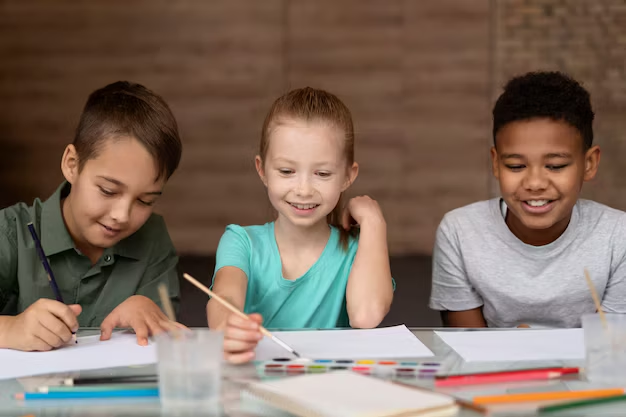
Teaching your child a second language might feel overwhelming at first, but honestly? Kids are natural language sponges. Their brains are wired to pick up new sounds, patterns, and words way faster than adults. The key is making it fun and consistent, not stressful or forced. Whether you want your 3-year-old to speak Spanish with their grandparents or your 8-year-old to get a head start on Mandarin, there are practical ways to make language learning stick without turning it into another chore. Let's break down what actually works.
- Why kids are better at language learning than you think
- Age-specific strategies that actually work
- Play-based learning methods for second language learning
- Immersion techniques for learning a second language
- Digital tools and apps that can help kids learn
- Language learning for kids with family involvement
- Best languages for kids to learn
- Common mistakes to avoid
- FAQs
Why kids are better at language learning than you think
Here's the thing: children's brains are built for language acquisition. From birth to around age 9, kids have what researchers call a "critical period" where they can absorb languages almost effortlessly. They hear sounds, mimic them, and internalize grammar patterns without needing formal instruction.
A 5-year-old can realistically learn multiple languages simultaneously without confusion. Bilingual and multilingual kids don't get "mixed up" like people worry. Their brains naturally compartmentalize different languages, especially when each language is associated with different contexts or people (like one parent speaks Spanish, the other speaks English).
The timeline varies, but most children can achieve conversational fluency in a new language within 6 months to 2 years with consistent exposure. That's way faster than the 600-1,200 hours it typically takes adults to reach intermediate proficiency in a foreign language.
Age-specific strategies that actually work
Different ages need different approaches. What works for a baby won't work for a second-grader, and vice versa.
Infants (0-12 months)
Babies learn through sound exposure. They're listening to phonemes (the smallest units of sound) and figuring out which ones matter in their language environment.
- Play music in the target language during daily routines.
- Sing lullabies in Spanish, French, or whatever language you're introducing.
- Talk to them in the target language during diaper changes, feeding, and playtime. Even if you're not fluent, your attempts matter.
The goal here isn't vocabulary. It's ear training. Babies who hear multiple languages develop the ability to distinguish between different sound systems, which gives them a massive advantage later.
Toddlers (1-3 years)
Toddlers are in their naming phase. They point at everything and want to know what it's called. Perfect timing for vocabulary building.
- Use simple picture books in the target language.
- Label household items with words in both languages. Make it a game: "Can you find the 'manzana'?" when looking for an apple.
- Toddlers also love repetition (even when it drives you crazy). Watch the same cartoon episode in the target language 47 times. They'll start repeating phrases naturally.
Preschoolers (3-5 years)
Preschoolers can handle more complex language input and enjoy structured activities. This is when you can introduce simple games, songs with actions, and basic conversations.
- Role-play is huge at this age. Set up a pretend restaurant where they have to order in the target language. Play store and practice numbers and simple transactions. Their imagination makes language learning feel like pure play.
- Story time becomes more interactive. Ask questions about the story in the target language. "Where did the cat go?" "What color is the ball?" They're building comprehension and response skills.
School-age kids (6-12 years)
Older kids can read, write, and understand abstract concepts. They can handle apps, structured lessons, and even understand why learning another language is valuable.
This age group responds well to gamification. Language learning apps designed for kids can work great here (more on that below). They also enjoy earning rewards, tracking progress, and competing with themselves.
School-age children learn a new language differently than toddlers. They use more cognitive strategies and can benefit from explicit grammar explanations (in age-appropriate ways). But they still need tons of input and practice, not just worksheets.
Play-based learning methods for second language learning
Kids learn best when they don't realize they're learning. Play-based language learning beats drills every single time.
- Games like Simon Says ("Jacques a dit" in French) teach action verbs and listening comprehension.
- Memory matching games with picture cards build vocabulary.
- Board games in the target language create natural conversation opportunities.
- Outdoor play gives you real-world vocabulary. "Let's climb the tree" becomes "Vamos a subir el árbol." "Look at that bird" turns into "Regarde cet oiseau." The physical experience anchors the language in memory.
- Role-play scenarios are goldmine activities. Playing doctor, teacher, or chef gives kids a reason to use specific vocabulary sets. The context makes words meaningful instead of random.
- Cooking together while using the target language teaches food vocabulary, action verbs (stir, pour, mix), and following directions. Plus, you get snacks.
Immersion techniques for learning a second language
True immersion means the child uses the language to do something they care about, not just study it. You can create mini-immersion experiences at home.
- Storytelling in the target language builds listening skills and cultural knowledge. Start with simple picture books, then move to chapter books as they progress. Audio books work great for car rides.
- Music is probably the easiest immersion tool. Kids' songs in the target language teach vocabulary, pronunciation, and cultural context. My nephew learned more Spanish from "Baby Shark" in Spanish than from any app.
- Cartoons and shows create hours of comprehensible input. A 5-year-old watching Peppa Pig in French gets exposed to natural conversation, slang, and context clues. The visuals help them understand even when they don't know every word.
- Change device language settings for older kids. If their tablet is in Spanish, they'll learn tech vocabulary through necessity. They'll figure out that "configuración" means settings pretty quickly when they need to adjust something.
Digital tools and apps that can help kids learn
Let's talk about apps, since parents always ask about this. Are language learning apps good for kids? Depends on the app and how you use it.
What's the best language learning app for kids
The honest answer: it depends on your child's age and learning style. Here are some worth checking out:
- Duolingo has a kids' version (Duolingo ABC) that's designed for younger learners. The main app works better for kids 8 and up. It's gamified, colorful, and free. The bite-sized lessons fit kids' attention spans.
- Gus on the Go targets ages 2-6 with vocabulary games featuring an animated owl. It covers 30 languages, which is pretty cool if you're teaching a less common language.
- Lingokids focuses on ages 2-8 with songs, games, and activities. It teaches through play rather than traditional lessons.
- DinoLingo uses videos, songs, and games with a dinosaur theme for ages 2-14. It covers 50 languages, including less common ones like Arabic and Hebrew.
Language learning for kids with family involvement
Your involvement matters more than any app or program. Kids need human interaction to truly acquire language.
- If you speak the target language, use it at home consistently. The "one parent, one language" approach works well: one parent always speaks Language A, the other always speaks Language B.
- If you don't speak the target language fluently, learn alongside your child. Watch the same shows together. Practice the same vocabulary. Kids love it when parents are learning too.
- Create language routines: breakfast is always in Spanish, bedtime stories are always in French. Consistency builds habits.
- Find native speakers for your child to interact with. Language exchange families, tutors, or community groups give kids real conversation practice. Video calls with relatives who speak the target language count too.
Best languages for kids to learn
Parents often ask which language they should teach their child. The practical answer: whichever language they'll actually use.
- Spanish is super practical in the US, with 41 million native speakers. It's relatively easy for English speakers to learn, and there's tons of content available for kids.
- Mandarin Chinese offers long-term career advantages and cognitive benefits (tonal languages train the ear differently). But it's harder to learn and requires more consistent instruction.
- French opens doors to multiple countries and international organizations. It's considered easier than Mandarin but harder than Spanish for English speakers.
- Heritage languages (the language of your family's origin) have emotional and cultural value that goes beyond practicality. Kids who speak their grandparents' language maintain deeper family connections.
The best language is the one your child will stick with. If they love anime, Japanese makes sense. If they adore soccer and Messi, Spanish wins. Motivation beats theoretical usefulness every time.
Common mistakes to avoid
- Forcing it never works. If your child resists, back off and try a different approach. Language learning should feel fun, not like punishment.
- Expecting perfection kills motivation. Kids will mix languages, make grammar mistakes, and mispronounce words. That's literally how language acquisition works. Correct gently by modeling the right way, don't criticize.
- Inconsistent exposure wastes time. Thirty minutes daily beats three hours on Saturday. Languages need regular reinforcement or kids forget.
- Translating everything defeats the purpose. When watching a show in Spanish, don't pause to translate every word. Let them use context clues and figure things out. That's how they build real comprehension.
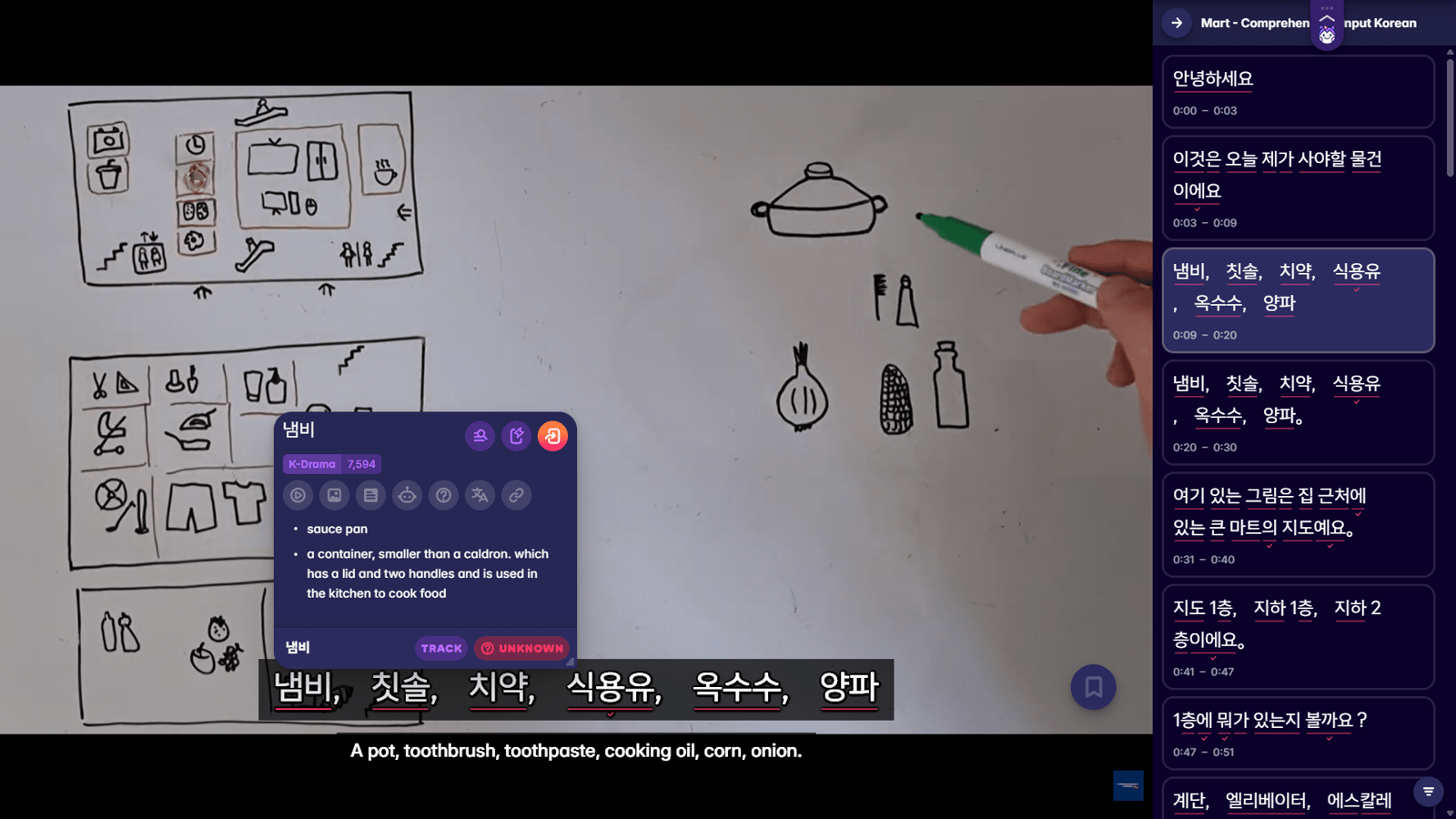
Want to level up your own language skills while helping your kids? Migaku's browser extension and app let you look up words instantly while watching shows or reading articles in your target language. Makes learning alongside your children way more practical. There's a 10-day free trial if you want to check it out.
FAQs
- Understand basic commands and questions: 3-6 months
- Speak simple sentences: 6-12 months
- Hold basic conversations: 12-18 months
- Achieve age-appropriate fluency: 2-3 years
This assumes consistent, quality exposure (at least an hour daily). Weekend classes alone won't cut it. Kids need regular input.
The adventure of learning new languages starts here
Teaching your child a second language is one of the best gifts you can give them. The cognitive benefits, cultural awareness, and future opportunities are real. But the best part? Watching them confidently switch between languages like it's no big deal. Start small, stay consistent, and remember that every word they learn is progress. You don't need perfect fluency yourself or expensive programs. You just need commitment and creativity.
If you consume media in any language, and you understand at least some of the messages and sentences within that media, you will make progress. Period.
Family time can become the most meaningful learning time.🏠📚