# Language Learning Burnout: How to Recognize and Recover from Language Burnout
> Feeling drained by language study? Learn to spot burnout symptoms early and use practical recovery strategies to get back to enjoying the learning process.
**URL:** https://migaku.com/blog/language-fun/language-learning-burnout-recognize-recover
**Last Updated:** 2026-03-07
**Tags:** discussion, deepdive
---
You know that feeling when opening your language app makes your stomach sink? When the thought of reviewing flashcards or listening to another podcast episode fills you with dread instead of excitement? That's [language learning](https://migaku.com/) burnout, and it's way more common than most people admit. The good news is that burnout isn't permanent, and recognizing the signs early can help you recover faster and get back to enjoying the process of learning a new language.
---
## What language learning burnout looks like
Language learning burnout goes beyond just feeling tired or having an off day. It's a state of emotional, physical, and mental exhaustion that comes from prolonged stress in your language studies. The World Health Organization officially recognizes burnout as an occupational phenomenon, and the same principles apply when you're pushing yourself too hard with language learning.
The tricky part is that burnout sneaks up on you. One week [you're motivated](https://migaku.com/blog/language-fun/language-learning-motivation-how-to-stay-motivated) and making progress, the next you can't bring yourself to open your textbook. Here's what the symptoms look like in practice.
### Emotional symptoms
You stop caring about your progress. That excitement you had when you first started? Gone. You might feel cynical about the whole process, thinking things like "I'll never be fluent anyway" or "this is pointless." Some learners report feeling genuine anxiety when it's time to study, which is a massive red flag. The language that once fascinated you now just irritates you.
### Physical symptoms
Your body responds to burnout too. You might feel constantly tired, even after a full night's sleep. Headaches become more frequent. Some people experience actual physical tension when they sit down to study, their shoulders tightening up or their jaw clenching. Your brain feels foggy, like you're trying to think through mud.
### Cognitive symptoms
This is where burnout really messes with your learning. You read the same sentence five times and still don't absorb it. Grammar rules you understood perfectly last month suddenly make zero sense. Your vocabulary recall drops off a cliff. You make mistakes you haven't made in months. The worst part is that these cognitive symptoms make you feel like you're getting worse at the language, which feeds into more stress and burnout.
---
## Why burnout happens to language learners
Understanding the causes helps you prevent burnout in the first place. Most cases come down to a handful of common issues that learners don't recognize until they're already burned out.
### Unrealistic expectations in language learning journey
You downloaded Duolingo and expected to be conversational in three months. Or you set a goal to study three hours every single day while working full-time. The language learning industry doesn't help here, constantly promoting "fluency in 90 days" or similar nonsense. When reality doesn't match these expectations, you blame yourself and push harder, which accelerates the burn.
Here's the thing: [language acquisition takes time](https://migaku.com/blog/language-fun/3-things-to-learn-a-language). Adults learning a second language need hundreds of hours of input and practice to reach even intermediate fluency. Expecting faster results just sets you up for disappointment and exhaustion.
### Monotony and boring materials can cause language burnout
Doing the same type of study every single day kills motivation fast in the learning process. If your routine is just grammar drills and vocabulary flashcards, your brain checks out. Humans need variety to stay engaged to learn the languages. Learning a language through nothing but textbook exercises is like trying to get fit by doing the same workout every day. It works for a while, then you [hit a wall](https://migaku.com/blog/language-fun/break-through-language-learning-plateau).
### Perfectionism
This one burns out more learners than almost anything else. You won't speak until your accent is perfect. You won't write anything until you can do it without mistakes. You beat yourself up over every error you made when learning foreign languages. Perfectionism in language learning is exhausting because you're constantly failing by your own impossible standards.
Languages are messy. Native speakers make mistakes. Regional variations exist. There's no "perfect" to achieve, which means perfectionists are chasing something that doesn't exist.
### Ignoring the difference between stress and burnout
Stress is temporary. You have a tough week, you're stressed about an upcoming language exam, but you can take a break, and it passes. Burnout is chronic. It's what happens when stress continues for weeks or months without relief. A lot of learners push through stress thinking it's normal in the language learning process, not realizing they're sliding into full burnout territory.
---
## Recovery strategies that actually work
Recovering from language learning burnout requires actual changes to your approach, not just willpower or pushing through.
### Take a real break
Stop studying for at least a week, maybe two. I know this feels counterproductive, but your brain needs recovery time when you try to learn a language. A proper break means no flashcards, no grammar books, no forcing yourself to watch content in your target language. Give yourself complete permission to step away.
Some people worry they'll lose progress during a break. You might lose a bit of vocabulary recall, but you'll recover it quickly once you restart. The alternative is burning out so hard you quit for months or years.
### Reset your goals to something realistic
When you come back, throw out whatever insane goals caused the burnout. Replace them with something you can maintain. Instead of "study three hours daily," try "study 20 minutes daily." Instead of "finish this entire textbook in a month," try "complete one chapter every two weeks."
Your goals should feel almost too easy. If they don't, you're probably setting yourself up for another burnout cycle.
### Add variety to your study methods
Mix up how you engage with the language. If you've been grinding grammar exercises, switch to watching shows with subtitles. If you've been doing nothing but reading, try finding a language exchange partner for conversation practice. Variety keeps your brain engaged and prevents the monotony that contributes to burnout.
The learner who does five different activities for 10 minutes each usually stays motivated longer than the learner who does one activity for 50 minutes straight.
### Lower the difficulty temporarily
If intermediate content is burning you out, drop back to beginner materials for a while. There's no shame in making things easier on yourself during recovery. Reading a simple children's book in your target language is better than staring at an advanced novel you can't focus on.
---
## How to avoid burnout before it starts
Prevention beats recovery every time. Here's what works to keep burnout from happening in the first place.
### Build in rest days from the start
Plan days off into your study schedule. Two or three days per week, where you don't study at all. This isn't lazy, it's strategic. Your brain consolidates learning during rest periods. Those off days are when the vocabulary and grammar you studied get integrated into long-term memory.
### Track your emotional state, not just your study hours
Most language learners track how much they study. Track how you feel about studying instead. If you notice you're dreading your study sessions more often than enjoying them, that's an early warning sign. Adjust before it becomes full burnout.
### Accept that progress isn't linear
You'll have good weeks and terrible weeks. Some days the language clicks, other days you feel like a complete beginner. This is normal. Expecting steady improvement sets you up for frustration when you hit the inevitable plateaus.
### Use your target language for fun sometimes
Not everything needs to be "productive study." Watch a show just because it's entertaining, even if you don't understand everything. Listen to music in the language because you like the songs. Play video games in your target language. These activities keep you exposed to the language without the pressure that causes burnout.
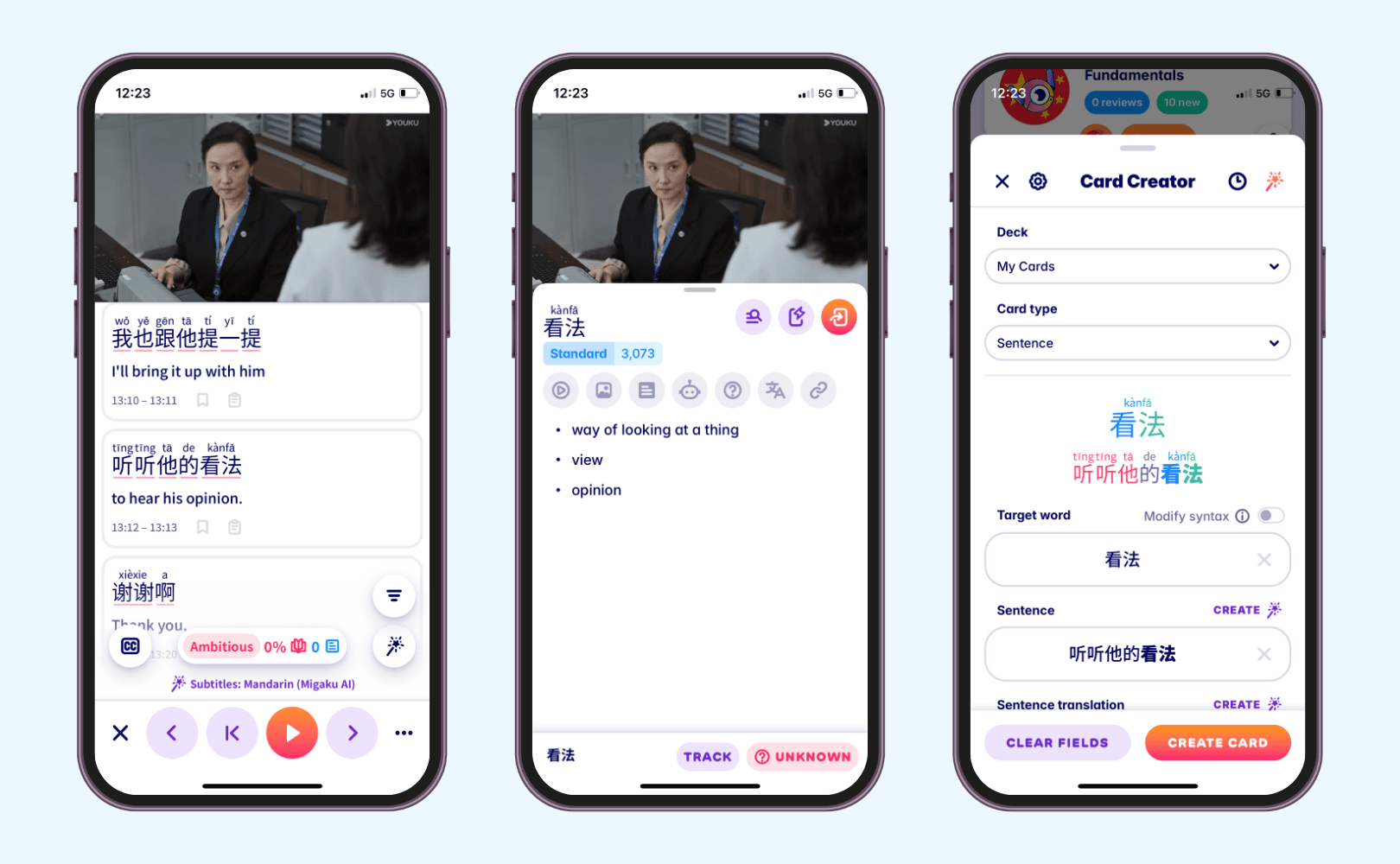
Anyway, if you're trying to recover from burnout and want to make your study time more engaging, Migaku's browser extension and app let you look up words instantly while watching shows or reading articles in your target language. Makes [immersion](https://migaku.com/blog/language-fun/comprehensible-input-method-language-learning) learning way more practical without the grind of traditional study methods. There's a 10-day free trial if you want to check it out.
 ---
## FAQs
Some people online claim burnout isn't real, that it's just an excuse for lazy learners. This is complete nonsense. Research on burnout in educational contexts, particularly among EFL students, shows clear links between prolonged stress and emotional exhaustion, reduced accomplishment, and cynicism toward learning.
---
## FAQs
Some people online claim burnout isn't real, that it's just an excuse for lazy learners. This is complete nonsense. Research on burnout in educational contexts, particularly among EFL students, shows clear links between prolonged stress and emotional exhaustion, reduced accomplishment, and cynicism toward learning.
Burnout appears in network analyses alongside emotions like shame and anxiety, particularly in language learning contexts where performance pressure is high. The idea that you can just power through indefinitely without consequences ignores how human cognition works.
---
## Coming back stronger after burnout
Going through burnout forces you to examine what wasn't working and build better habits. The learners who recover from burnout often end up with more sustainable, enjoyable study routines than they had before. Learning should not always be difficult and brain-wracking. Fun ways like immersion and media consumption can help you establish a more efficient and enjoyable routine as well.
> If you consume media in the language you want to learn, and you understand at least some of the messages and sentences within that media, you will make progress. _Period_.
Joy and discovery go hand in hand.😆